• Issue #01
  • Issue #02
  • Issue #03
  • Issue #04
  • Issue #05
  • Issue #06
  • Issue #07
  • Issue #08
  • Issue #09
  • Issue #10
  • Issue #11
  • Issue #12
12
Contents
editorial
LOUIS CHUDE-SOKEI WITH IR INDIGENOUS RESISTANCE
Sharp as a Blade: Decolonizing Decolonization
RATO MID FREQUENCY
Social Death Beyond Blackness
HUGO CANHAM
Exchanging black excellence for failure
SABELO J NDLOVU-GATSHENI
The Dynamics of Epistemological Decolonisation in the 21st Century: Towards Epistemic Freedom
MALAIKA WA AZANIA
The Timbila LIbrary - 120 books to read by age 28
Theme Timbila Library
NOSIPHO KOTA
Seven Poems
MING DI
“Through Multiculturalism We Become Better Humans”: A Conversation with Vonani Bila
VONANI BILA
Ancestral Wealth
TINYIKO MALULEKE
An Ode to Xilamulelamhangu: English-Xitsonga Dictionary
MZI MAHOLA
Three Poems
MXOLISI NYEZWA
Seven Notes To A Black friend, The Dance of the Ancestors and Two Other Songs That Happened
SANDILE NGIDI
Three Poems
LUCAS LEDWABA
'I have nothing left' – flood victims count the costs
MASERAME JUNE MADINGWANE
Two Poems
RAPHAEL D’ABDON
Resistance Poetry in Post-apartheid South Africa: An Analysis of the Poetic Works and Cultural Activism of Vonani Bila
MPUMI CILIBE
American Toilet Graffiti: JFK Airport 1995
MPHUTLANE WA BOFELO
Language is Land
MAKHOSAZANA XABA
Poems from These Hands
VONANI BILA
The Pig and four other poems
MAROPODI HLABIRWA MAPALAKANYE
Troublemaker’s Prison Letter
KGAFELA OA MAGOGODI
Four Outspoken Poems
DAVID WA MAAHLAMELA
Three Poems
VUYISILE MSILA
People’s English in the Poetry of Mzi Mahola and Vonani Bila
THEMBA KA MATHE
Three Poems
MZWANDILE MATIWANA
Three Poems
ROBERT BEROLD
Four Poems
AYANDA BILLIE
Four Poems
MM MARHANELE
Three Poems
VONANI BILA
The Magician
VUYISILE MSILA
Four Poems
KELWYN SOLE
Craft Wars and ’74 – did it happen? (unpublished paper)
galleri
TSHEPO SIZWE PHOKOJOE
The Gods Must Be Crazy
THAIO ABRAHAM LEKHANYA
Mary Sibande: Reimagining the Figure of the Domestic Worker
KHEHLA CHEPAPE MAKGATO
TŠHIPA E TAGA MOHLABENG WA GAYO
DATHINI MZAYIYA
Early Works
LEFIFI TLADI
Two Letters to Kemang Wa Lehulere
TENDAI RINOS MWANAKA
Mwanaka Media: all sorts of haunts, hallucinations and motivations
ROFHIWA MADAU
Colour Bars
THULILE GAMEDZE
No end, no fairytale: On the farce of a revolutionary ‘hey day’ in contemporary South African art
KEITH ADAMS
Vakalisa Arts Associates, 1982–1992: Reflections
SAM MATHE
On Comic Books
OBINNA OBIOMA
Anyi N’Aga (We Are Going )
borborygmus
NDUDUZO MAKHATHINI
uNomkhubulwane and songs
RICHARD PITHOUSE
The radical preservation of Matsuli Music
BONGANI TAU
Ukuqophisa umlandu: Using fashion to re-locate Black Psyche in a Township
ALON SKUY
Marikana 2012/2022
CARSTEN RASCH
Searching for the Branyo
VONANI BILA
Dahl Street, Pietersburg
frictions
IGNATIA MADALANE
Not on the List
SITHEMBELE ISAAC XHEGWANA
IMAGINED: (excerpt)
ALEXANDRA KALLOS
A Kite That Bears My Name
SHANICE NDLOVU
When I Think Of My Death
VONANI BILA
The day I killed the mamba
ALLAN KOLSKI HORWITZ
Three New Poems
MPHUTLANE WA BOFELO
Biko, Jazz and Liberation Psychology
M. AYODELE HEATH
Three Poems
ZAMOKUHLE MADINANA
Three Poems
MASELLO MOTANA
Four BLK Poems
FORTUNATE JWARA
Three Delusions
NIEVILLE DUBE
Three Joburg Stories
VERNIE FEBRUARY
Of snakes and mice — iinyoka neempuku
KNEO MOKGOPA
Woundedness
claque
VONANI BILA
Poetry of social obliteration and intimacy
MZOXOLO VIMBA
The weight of the sack: Hessian, history and new meaning in Tshepo Sizwe Phokojoe’s “The Gods Must be Crazy” exhibition.
LORRAINE SITHOLE
Heading
NEO RAMOUPI
title
DIMAKATSO SEDITE
title
MENZI MASEKO
Acknowledging Spiritual Power Beyond Belief - A Review of Restoring Africa’s Spiritual Identity by African Hidden Voices (AHV)
ekaya
VONANI BILA
The Timbila Poetry Project
LWAZI LUSHABA
A Video Call with Kopano Ratele on Politics and the Black Psyche, 22 July 2024
MARTIN JANSEN
Where is the Better Lyf You Promised Us?
THOMAS HYLLAND ERIKSEN & RIAAN OPPELT
Post-apartheid diversification through Afrikaaps: language, power and superdiversity in the Western Cape
THADDEUS METZ
Academic Publishing is a Criminal Operation
MARGARET E. WALKER
Towards a Decolonized Music History Curriculum
VONANI BILA
Probing ‘Place’ as a Catalyst for Poetry
off the record
MIRIAM MAKEBA
Sonke Mdluli
ACHILLE MBEMBE
Decolonizing Knowledge and the Question of the Archive
ZAKES MDA
Biko's Children (12 September 2001)
VONANI BILA
Ku Hluvukile eka ‘Zete’: Recovering history and heritage through the influence of Xitsonga disco maestro, Obed Ngobeni
MATSULI MUSIC
The Back Covers
THEODORE LOUW
Reminiscing
GAVIN STEINGO
To be filled
LEHLOHONOLO PHAFOLI
The Evolution of Sotho Accordion Music in Lesotho: 1980-2005
DOUGIE OAKES
On Arthur Nortje, The Poet Who Wouldn’t Look Away
PULE LECHESA
Sophonia Machabe Mofokeng: Distinguished Essayist and Dramatist in the pantheon of Sesotho Literature
NOKUTHULA MAZIBUKO
Spring Offensive
WALTER MIGNOLO
Presentación El cine en el quehacer (descolonial) del *hombre*
feedback
MUSA SITHOLE
In Defence of Afropessimism: Aryan Kaganof’s Miseducation(reading) of Frank B. Wilderson III – ANTIBLACKNESS AND THE QUESTION OF PALESTINE
OSCAR HEMER
16 October 2025
NIDA YOUNIS
22 September 2025
PALESA MOKWENA
9 October 2024
MATTHEW PATEMAN
11 August 2024
RAFIEKA WILLIAMS
12 August 2023
ARYAN KAGANOF
26 October 2021 – A letter to Masixole Mlandu
FACEBOOK FEEDBACK
Facebook
herri_gram FEEDBACK
Instagram
PhD
ALICE PATRICIA MEYER
Timbila Poetry: Vonani Bila’s Poetic Project
the selektah
VONANI BILA
Vonani's Choice
ARYAN KAGANOF
herri films
hotlynx
hotlynx
.
the back page
MENZI APEDEMAK MASEKO
The Meaning of ‘Bantu’
ROLANDO VÁZQUEZ
Translation as Erasure: Thoughts on Modernity’s Epistemic Violence
VONANI BILA
Moses, we shall sing your Redemption Song
Test section
Testing font sizes & Verse block
.
This is a post to test cache clearing5
.
This is a test post on the new Herri VPS server
.
© 2025
Archive About Contact
    • Issue #01
    • Issue #02
    • Issue #03
    • Issue #04
    • Issue #05
    • Issue #06
    • Issue #07
    • Issue #08
    • Issue #09
    • Issue #10
    • Issue #11
    • Issue #12
    #12
  • galleri

SAM MATHE

On Comic Books

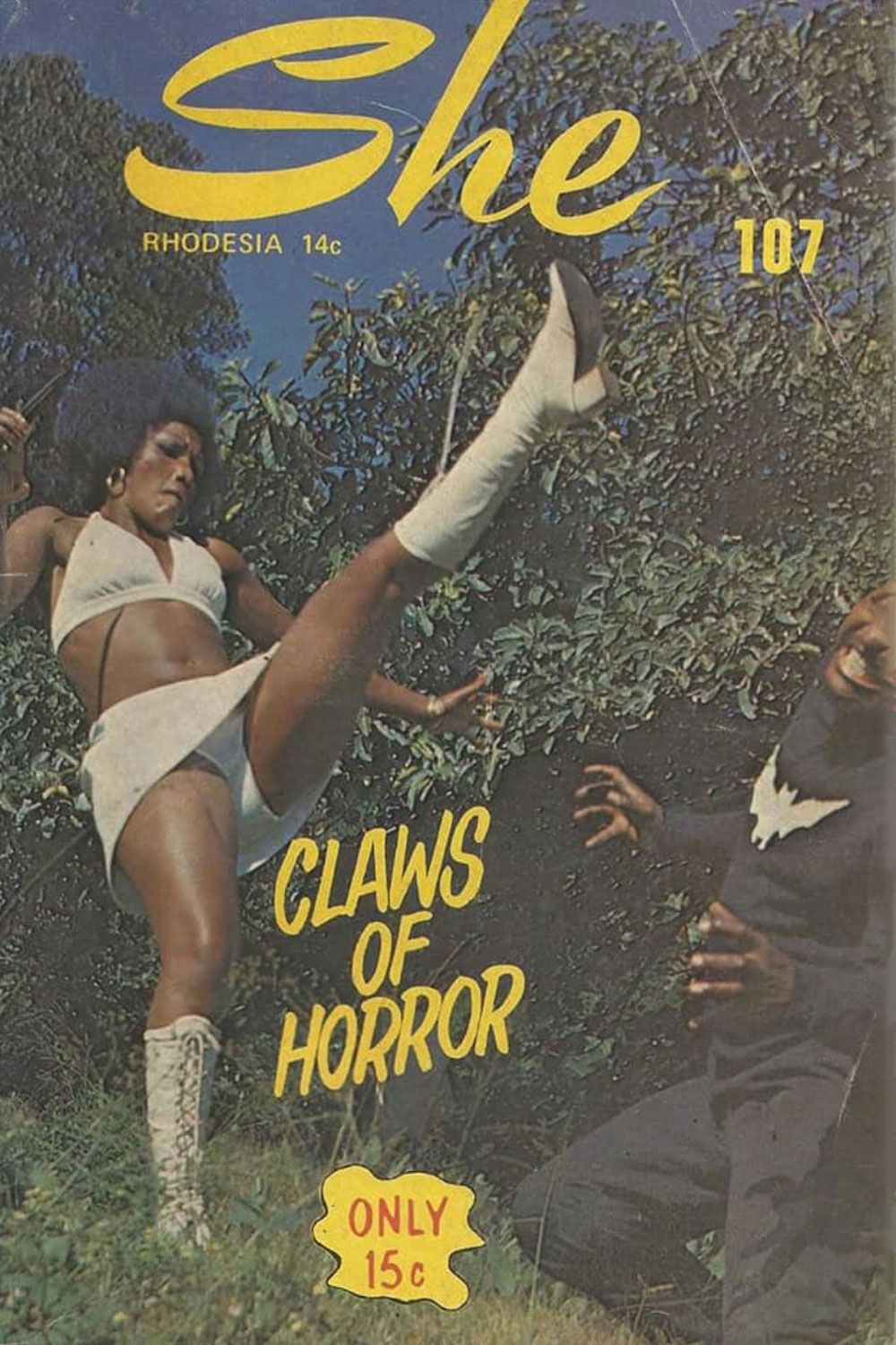
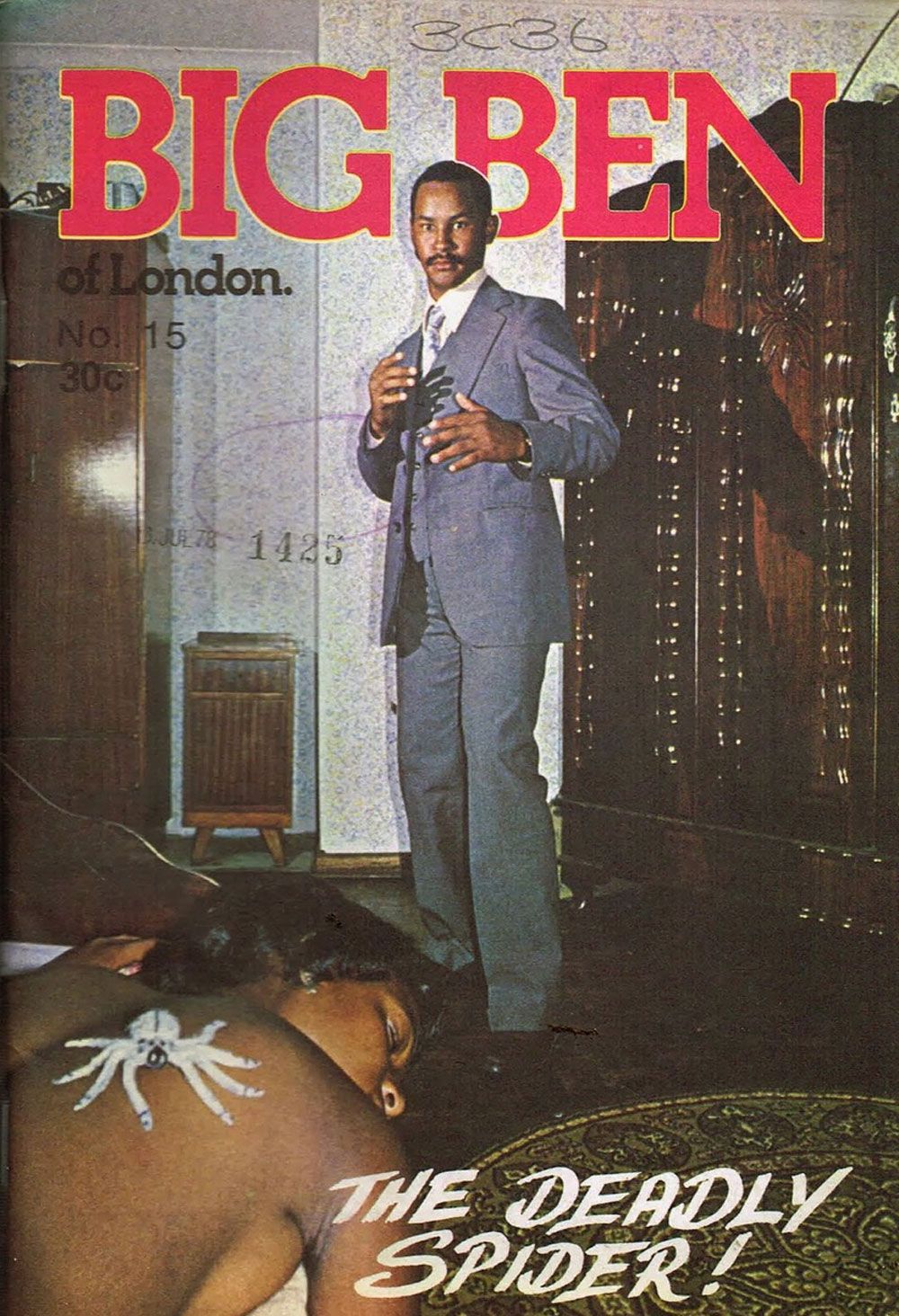
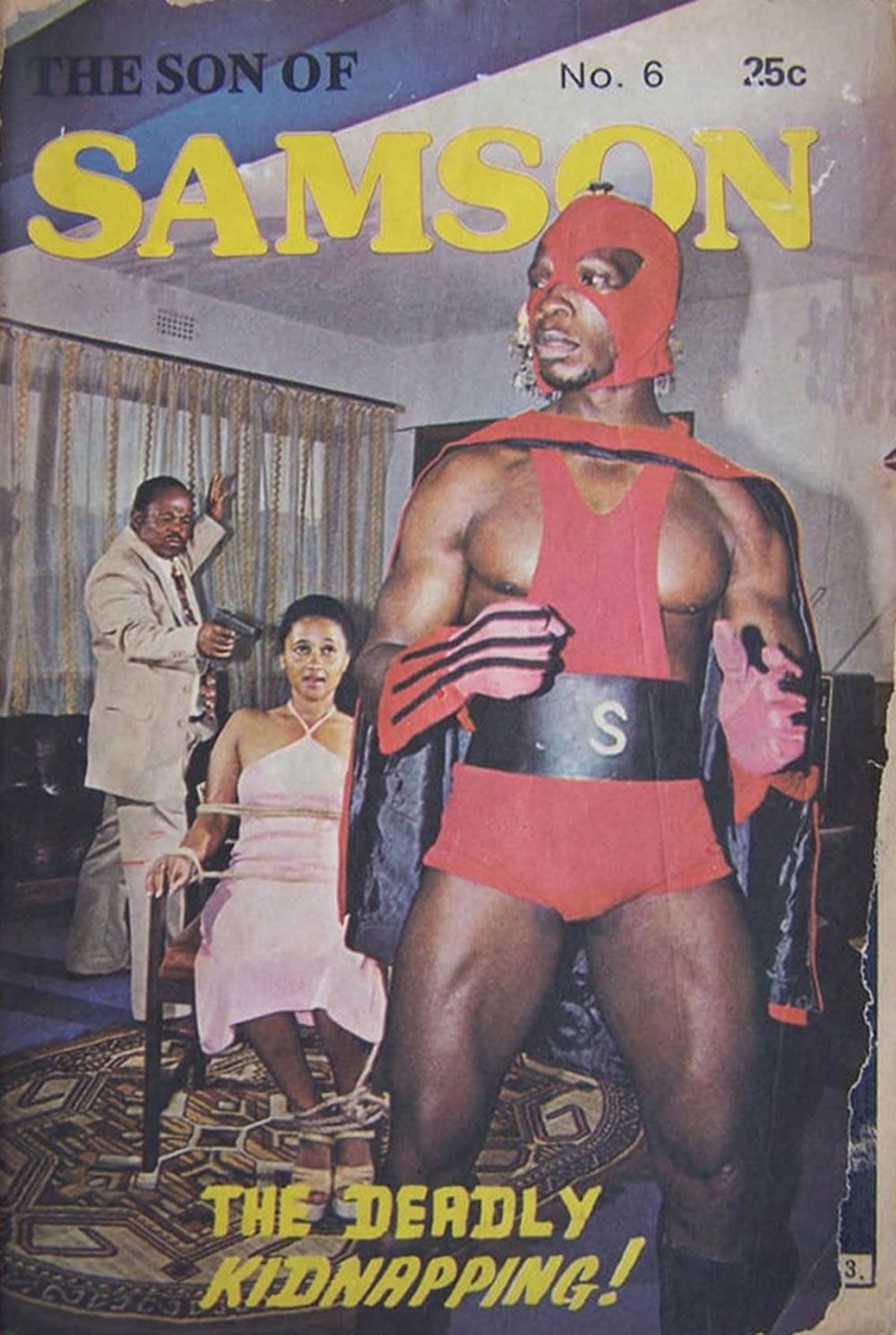
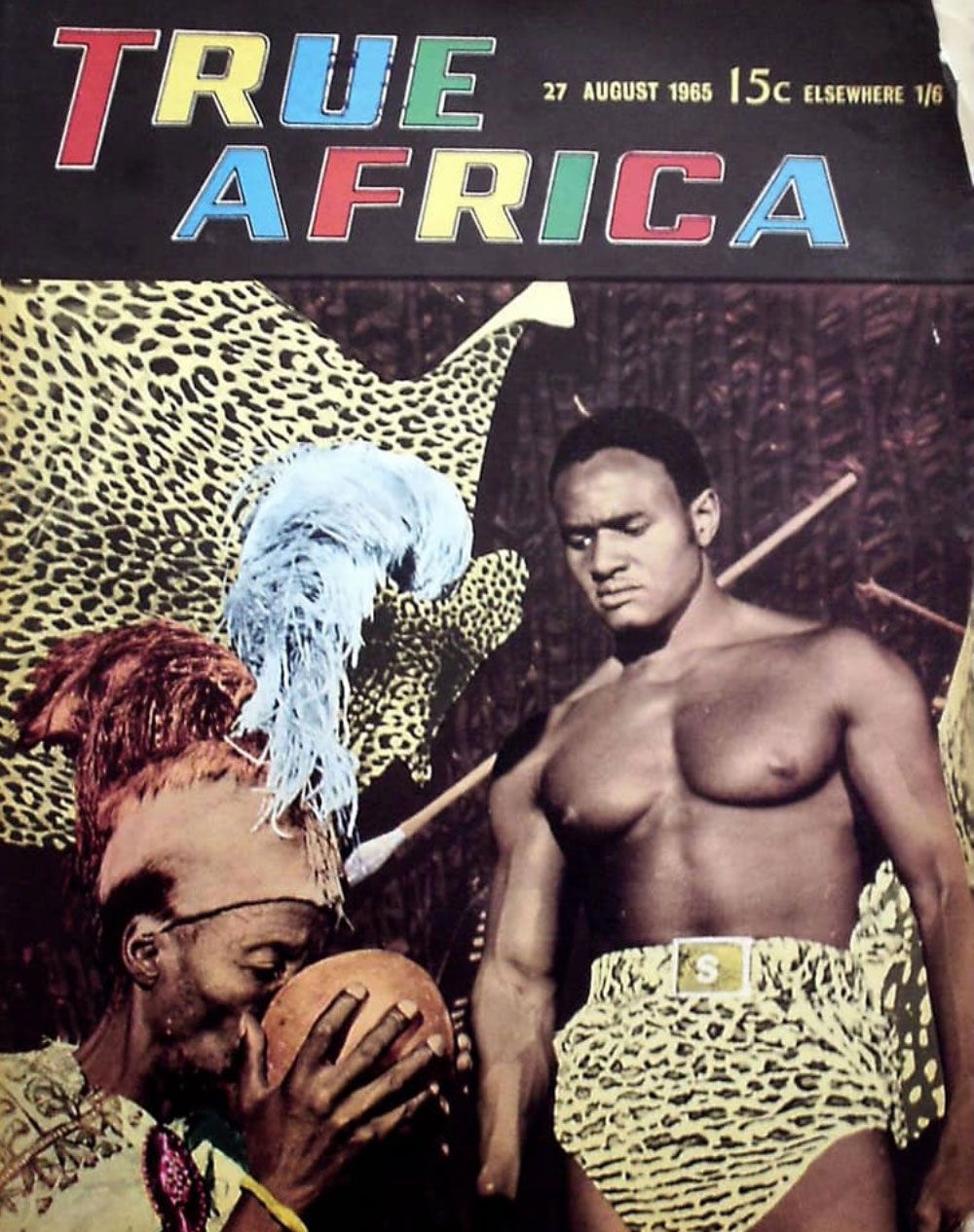
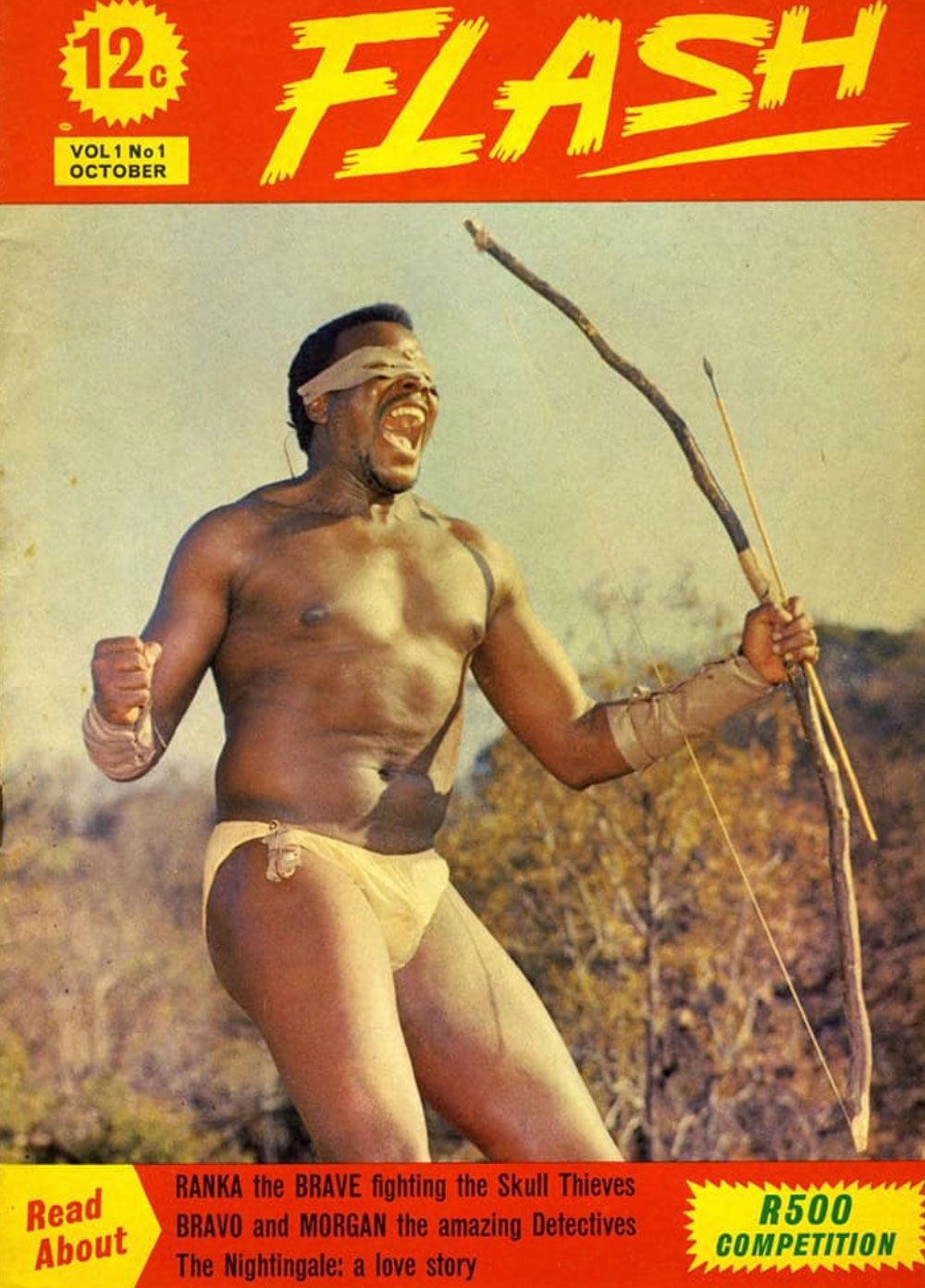
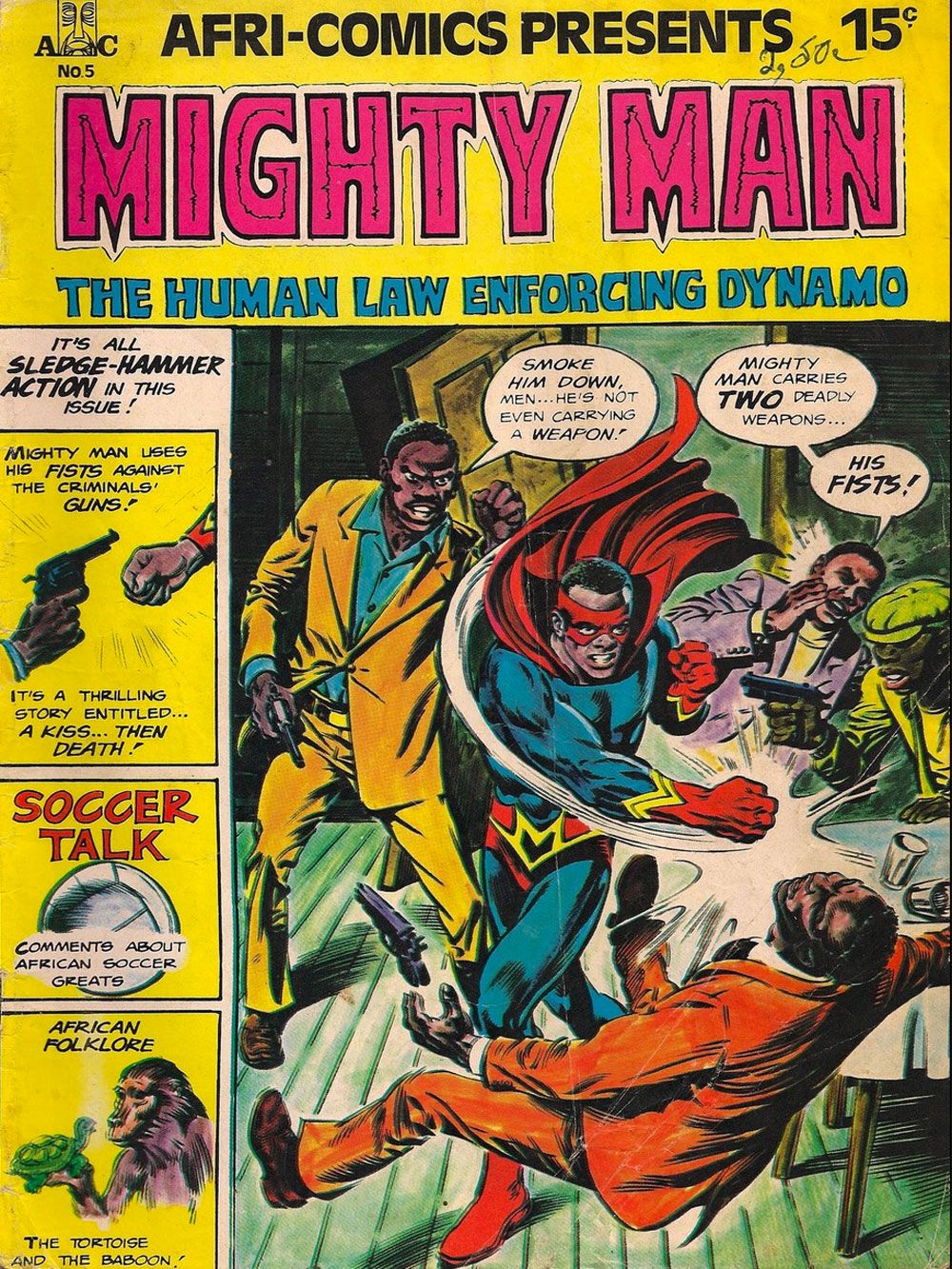
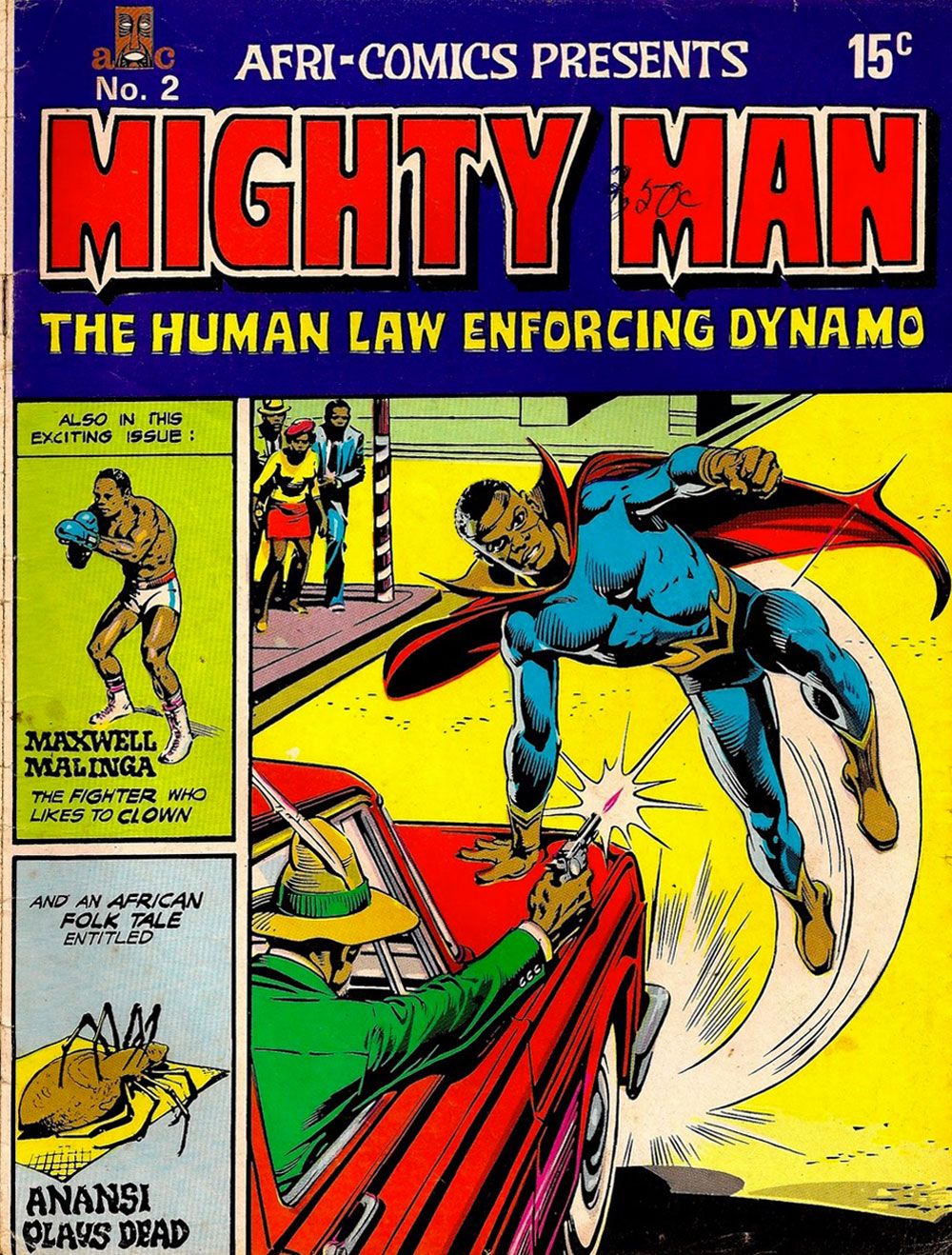
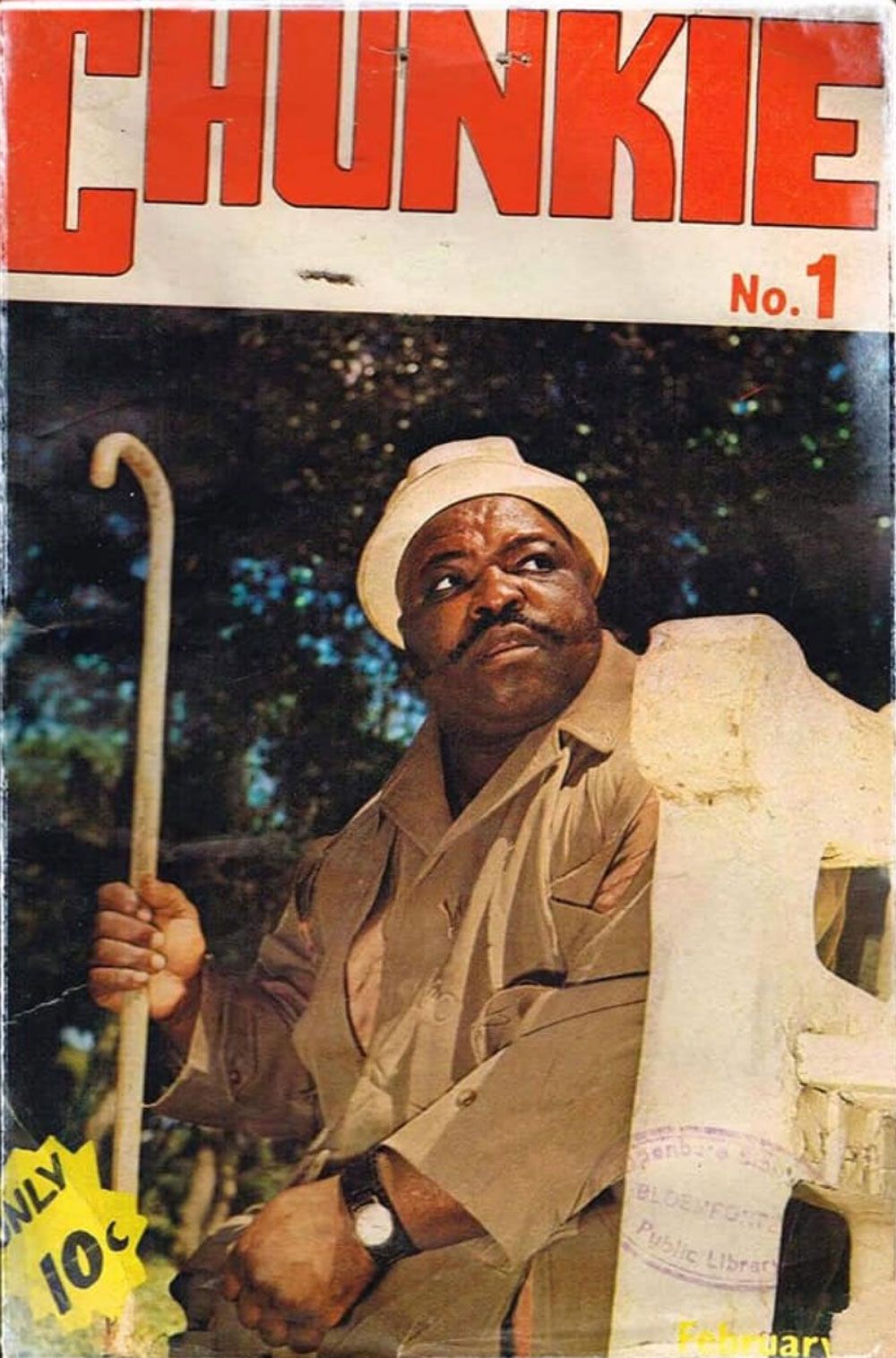
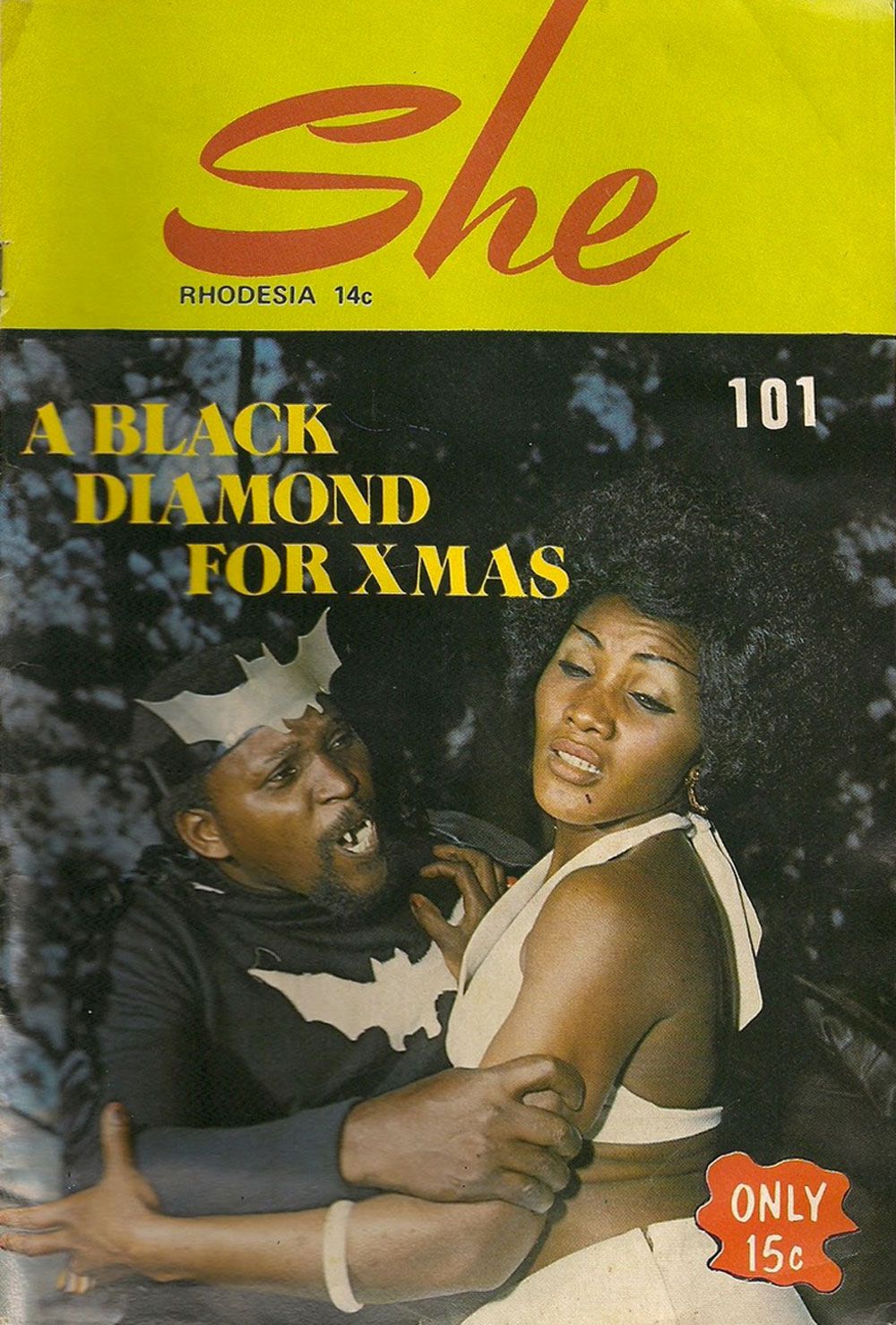
I wrote this many rains ago as an opinion piece that was published in a Sunday newspaper. I loved it so much I have decided to share it on this platform with pictures of some of the comic books that I used to read as a youngster. It’s not so much about comic books but they were the basis of my reading habits. So here we go:

Whoever said if you want to hide money from black people you should put it inside a book clearly didn’t know a thing about the reading habits of Africans. Black people are bibliophiles and their reading patterns involve borrowing books permanently from friends and libraries. There is even a technical term for book thieves who take their habit to extremes; bibliokleptomania, defined by Merriam-Webster Dictionary as an abnormal compulsion to steal books.

So in our midst as Africans there are those who love books including the ones that belong to others. Actually there is an unwritten law in the black community that if one lends someone a book, it is not necessary to return it. It is as good as a giveaway. Recently I recommended a colleague a list of titles for his postgraduate thesis. The books are about the Drum writers of the 1950s.

To his dismay, when he went to Joburg City Library he couldn’t find a single one. The librarian explained that some card-carrying borrowers are not in the habit of returning what are essentially public assets that should be shared by all readers. During apartheid days this theft of books was regarded in certain circles as a politically heroic, praiseworthy act because, went the reasoning, black people were impoverished by the system and therefore could not afford these books.

The biblioklepts of those years justified their deeds with ludicrous rationalisations such as ‘repossessing from the enemy’ or ‘liberating the people’s property’. It is to their credit that today some of these erstwhile book thieves are award-winning authors and respected officials who occupy high office in government departments and agencies. A musician friend who is currently in Germany waxed lyrical after seeing a mini library in a city park.

The rules for the users of the Uberlingen Book Shelf in Uberlingen are simple. You take a book of your choice and leave yours on the shelves in exchange. All genres are welcome – from cooking manuals to Goethe’s Faust. It is a self-service with no cameras or security guards to police the users; just a book exchange service for law-abiding bibliophiles. “This is really an eye-opener,” my friend enthused. “Imagine how we would accelerate literacy on our continent.” I share his excitement.

In Africa this book exchange won’t only accelerate literacy but it will improve readers’ general knowledge and their chances of being better educated. The problem is that it might take a century before Africans can have their Uberlingen experience. Such a well-stocked but unsupervised public amenity won’t survive a day even on church grounds. If it lasts until evening in these wintry nights the crime fiction novels, motivational books and thrillers will be welcome material for making fire for the homeless.

Another worst case scenario is that as a people who are in the habit of burning public property when we register discontent, such a treasure might become a casualty of service delivery protests. I grew up during the golden decades of comic books. My peers and older folks will recall comic heroes and heroines like Samson, Kid Colt, She, Tanya, Die Wit Tier, Die Swart Luiperd, Die Grensvegter, Chunkie Charlie and the like. I consumed all those photo story magazines with relish.

They fuelled my reading habits and most of those of my friends and schoolmates. They were staple because they were easily accessible even compared to James Hadley Chase’s cheap paperbacks. Yet I don’t remember my friends and I buying these treasures. But they were there and we claimed them as personal property. They were among popular literature that exchanged hands freely and rapidly.

Libraries were unheard of luxuries in black communities. According to an American study, the Bible is the most stolen book in the West. In my book, titles of the African Writers Series (AWS) should rank among the most stolen in South Africa – from Chinua Achebe’s Things Fall Apart to Dambudzo Marechera’s House of Hunger. I am sure librarians across the country will vouch for me. When I decided to launch a jazz magazine, I lent a freelance writer who was passionate about the subject a brand new Amiri Baraka classic, Black Music (1968) to review.

He never wrote the review and never returned the book. Those who are familiar with jazz literature will tell you that this text is a very rare treasure indeed. Repeated attempts to have the book returned were met with excuses and false promises. When I shared this story with a mutual friend, he gave me a list of people in the journalism fraternity who didn’t deserve to be lent books.

“They won’t return them and will simply deny any knowledge of the borrowing,” he said. “They can even get nasty if you insist that they owe you books. I have been their victim.” My point is not to paint my own in a negative light. I am simply illustrating the fact that those who think books are for hiding banknotes don’t know anything about Africans’ reading habits.
Share
Print PDF
KEITH ADAMS
OBINNA OBIOMA
© 2025
Archive About Contact