RICHARD PITHOUSE
The radical preservation of Matsuli Music
In 1998, long before hits on activists were an entrenched feature of the ambient pain of political life in KwaZulu-Natal, Chris Albertyn was shot in the head in his home outside Pietermaritzburg. A ballistics test showed that the bullet that had travelled through his skull and lodged in his kitchen door had been fired from a gun that had been used in two previous hits.
It seemed to many that Albertyn had put himself in harm’s way one too many times. In the late 1980s and early 1990s he was a leading figure in the successful campaign against Thor Chemicals, a British firm that ran a mercury processing plant in Cato Ridge, on the road between Durban and Pietermaritzburg. Workers were poisoned and contamination leaked into the uMngeni River, running down into the Valley of a Thousand Hills and the Inanda Dam.
At the time of the shooting Albertyn was confronting some powerful interests, including a $25n plan to burn hundreds of tonnes of imported obsolete toxic pesticides, some of which were banned worldwide, at a run-down cement kiln outside Maputo.
Pietermaritzburg was also where, in the milieu around the United Democratic Front (UDF), he began to acquire what would develop into an astonishing knowledge of South African music history. He arrived in Pietermaritzburg as a student in 1981 and met Matt Temple, also a student, the following year.
In that year Temple travelled to Gaborone to participate in the Culture and Resistance symposium. Organised by the ANC’s cultural desk, the gathering brought together South African artists and cultural workers from exile and inside the country to develop the arts as a form of resistance. Temple went on to promote bands working in the progressive culture of the time ranging from Amampondo to the Cherry Faced Lurchers.
South Africa had long had one of the world’s most significant jazz scenes.

In 1959 the great British historian Eric Hobsbawm observed that South Africa was home to “probably … the most flourishing centre of creative jazz outside America”.
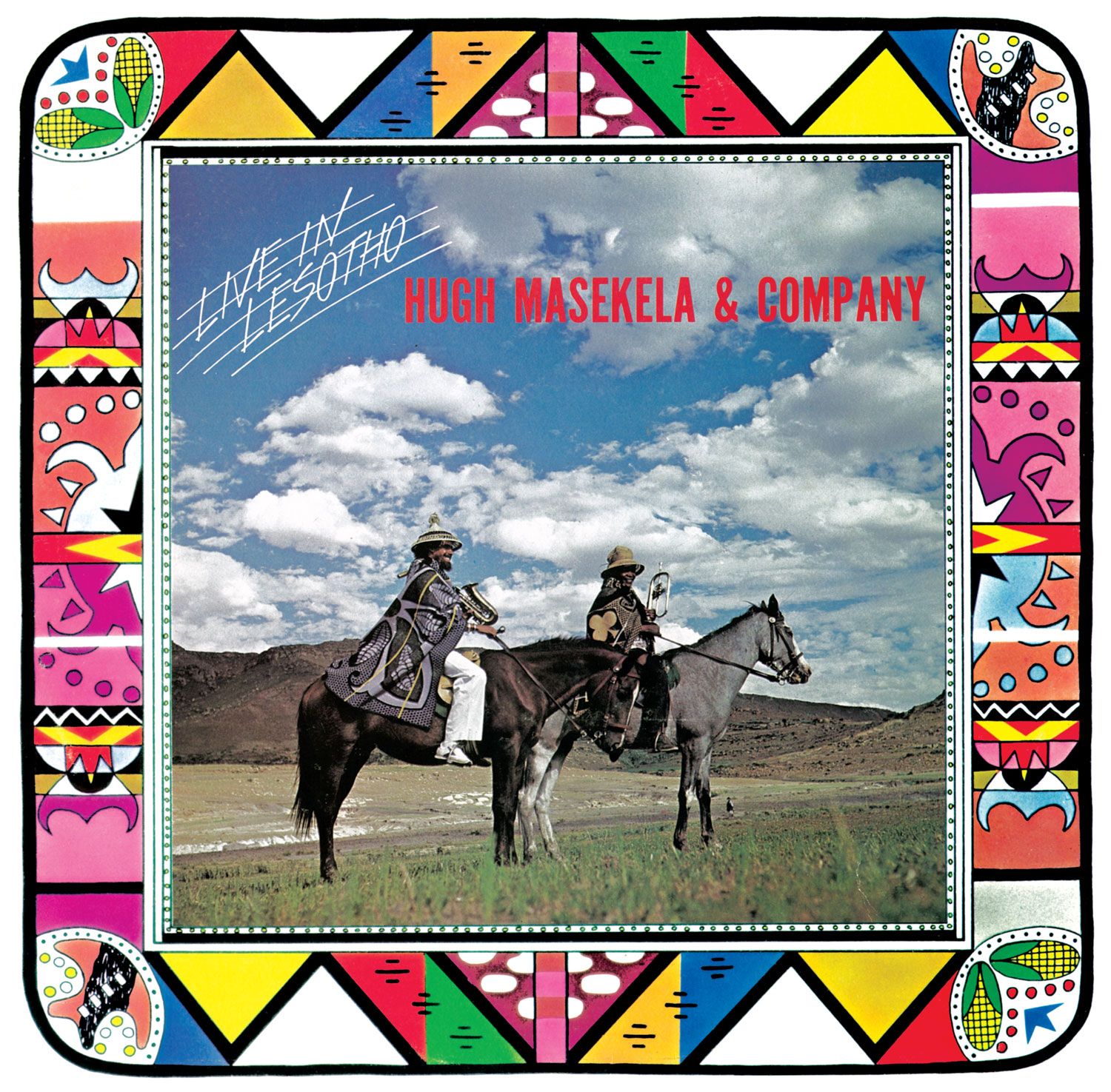
Our jazz tradition has never received enough institutional support but now and then a valuable but usually precarious space for performance and conviviality opens. In its best days the Rainbow Restaurant in Pinetown, outside Durban, was one of the most significant of these spaces.

The Rainbow put on its first gig in 1983, the same year the UDF was founded in Cape Town. Philip Tabane and his band Malombo gave the opening performance. Tabane explained Malombo as the Tshivenda word for “spirit” and the music brings sounds drawn from ritual practices into conversation with his virtuosic guitar playing. It had acquired huge cultural weight since a breakout performance at the Castle Lager Jazz Festival at Orlando Stadium in Soweto in 1964.

The eminent philosopher Mabogo More was among the 40,000 people in the stadium that day. He recalls the excitement of the journey from Benoni to Soweto, which required a train journey from Springs to Germiston, on to Park Station in Johannesburg, and then to Orlando. In his autobiography he writes that in the ghettoes of apartheid “jazz was the dominant music for anyone who considered himself or herself hip”. In an interview for this article, he recalled, “We went to Orlando to hear the big names of South African jazz such as the Early Mabuza Quartet, and other up-and-coming jazz bands.”
But in Orlando there was a moment of rupture and revelation. “The atmosphere changed dramatically when Malombo started playing. There was huge excitement in the stadium about this new group and their music provocatively emerging from African indigenous roots and not from across the Atlantic in the US. It was the talk of the townships.”
Twenty years later Malombo still carried the same charge and when the UDF organised an event in Pietermaritzburg in support of the boycott of the tricameral elections in 1984 Temple was one of the organisers of a campus performance by Malombo.

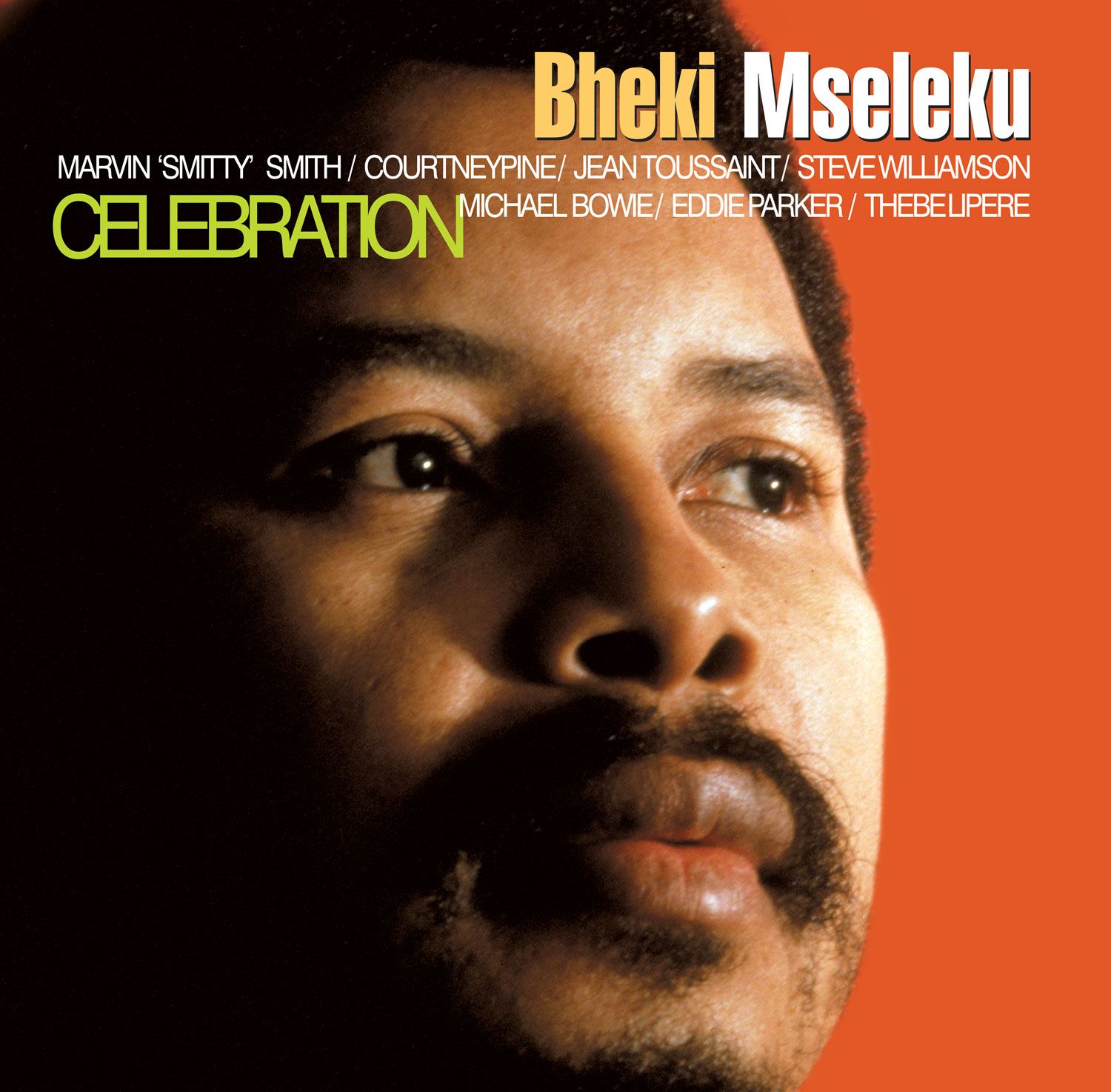
The gigs at the Rainbow were held on Sunday afternoons, and artists travelling back to Johannesburg would often stop in Pietermaritzburg to play an evening set at the clubhouse built by the Eddels shoe company for its workers. With Malombo artists such as the African Jazz Pioneers, Winston Mankunku, Lionel Pillay and Bheki Mseleku all performed at the Eddels clubhouse. Albertyn recalls these performances as a transformative experience.
In 1985, Temple, who had refused to serve in the apartheid military, left for London. Albertyn remained in Pietermaritzburg. Living in Raven Street, just down the road from the main station, he was close to some record stores. There he began to build what would become an encyclopaedic knowledge of South African music, buying a record or two weekly.
Temple started the Matsuli blog in March 2006, working closely with Albertyn to research and document the history of South African jazz and popular music. This was followed by the Electric Jive blog, which, with the support of other contributors, ran from 2009 to 2018 and attracted more than 4.5-million views. The range and depth of the knowledge shared on the blogs came from a combination of conversations, crate digging, online record markets and painstaking archival research, including trawling through Drum magazine on microfiche and newspaper clippings at the British Library.
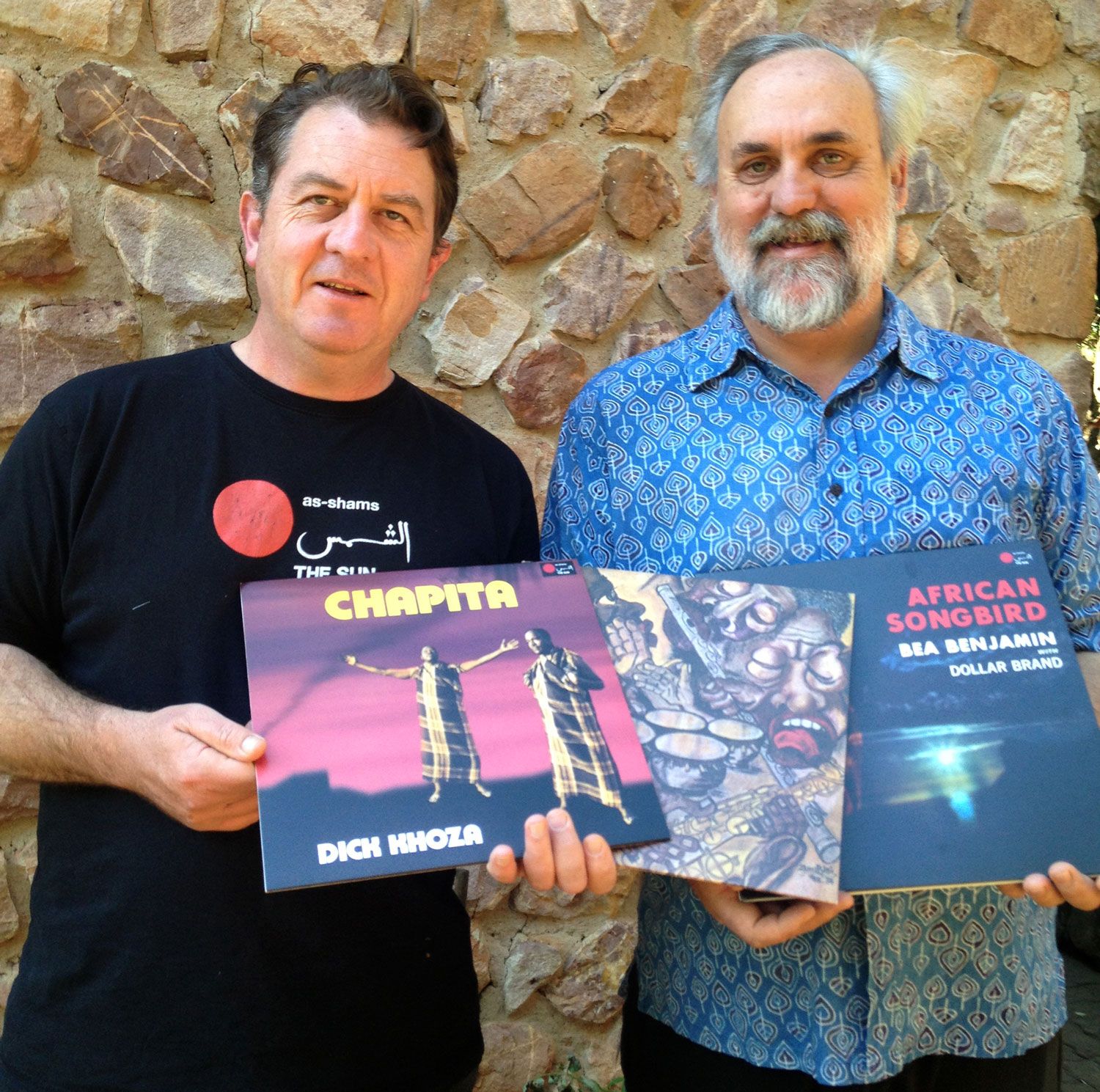
In 2008, Temple and Albertyn began to move towards establishing a label. The aim was not just to put rare records back into circulation, but also to recover lost or inaccessible musical histories and do justice to work that had often not been properly credited or paid for. Reissues were accompanied by newly commissioned liner notes and archival research, and sometimes photographs, all used to situate the music historically and politically.
Temple oversaw production and pressing from London, while Albertyn worked from Durban on research, licensing and distribution. The label grew slowly, with a focus on high-quality production, small pressings on 180g vinyl, and a commitment to making records as carefully crafted physical objects. Any income was reinvested into future releases rather than treated as commercial returns.

The attention to careful remastering has been scrupulous. Albertyn explains that older records “were holding hidden sonic treasures that the equipment of the time couldn’t reproduce, even though they were recorded. Now, with the equipment that’s available, you can unlock that.”

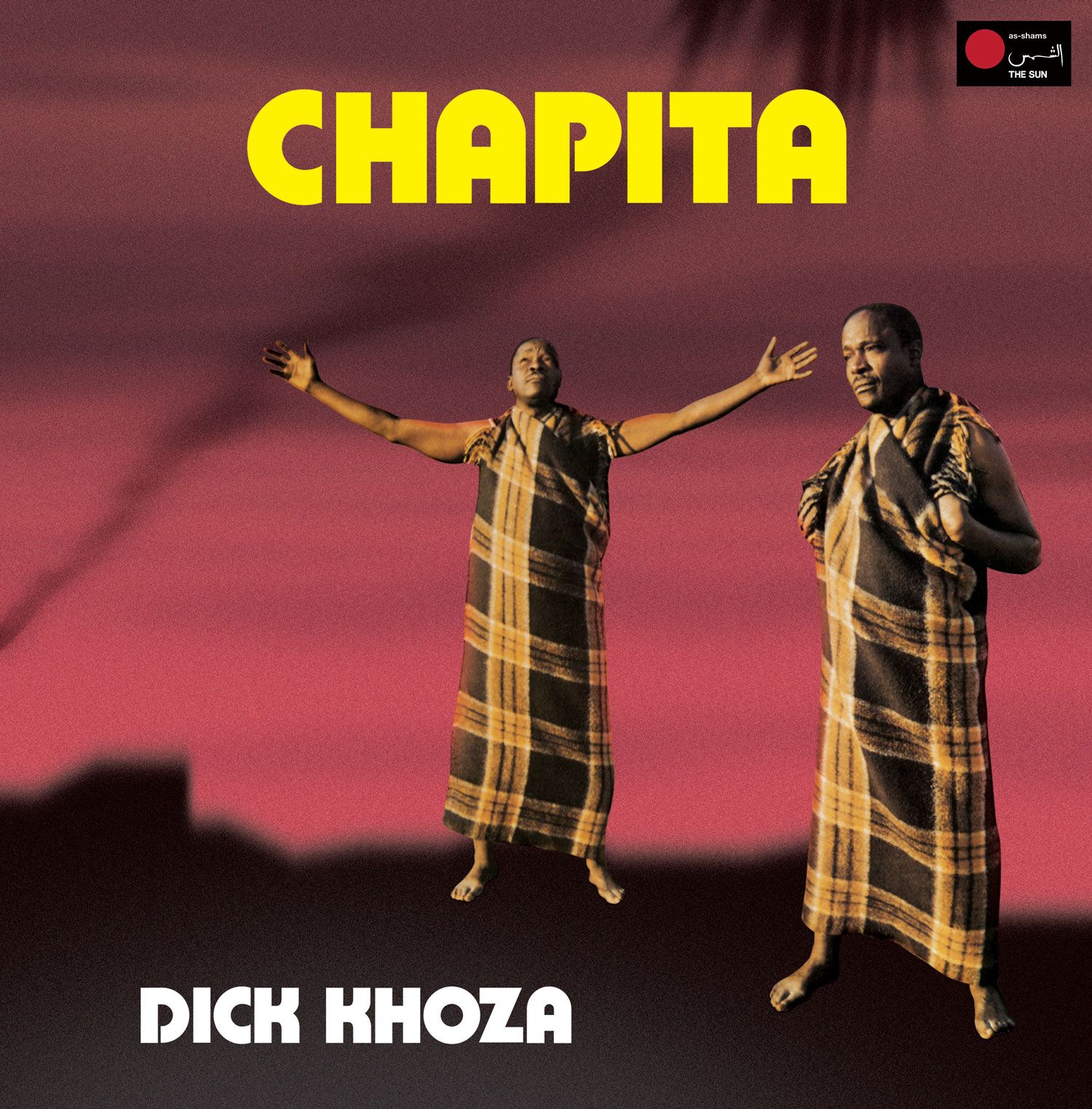
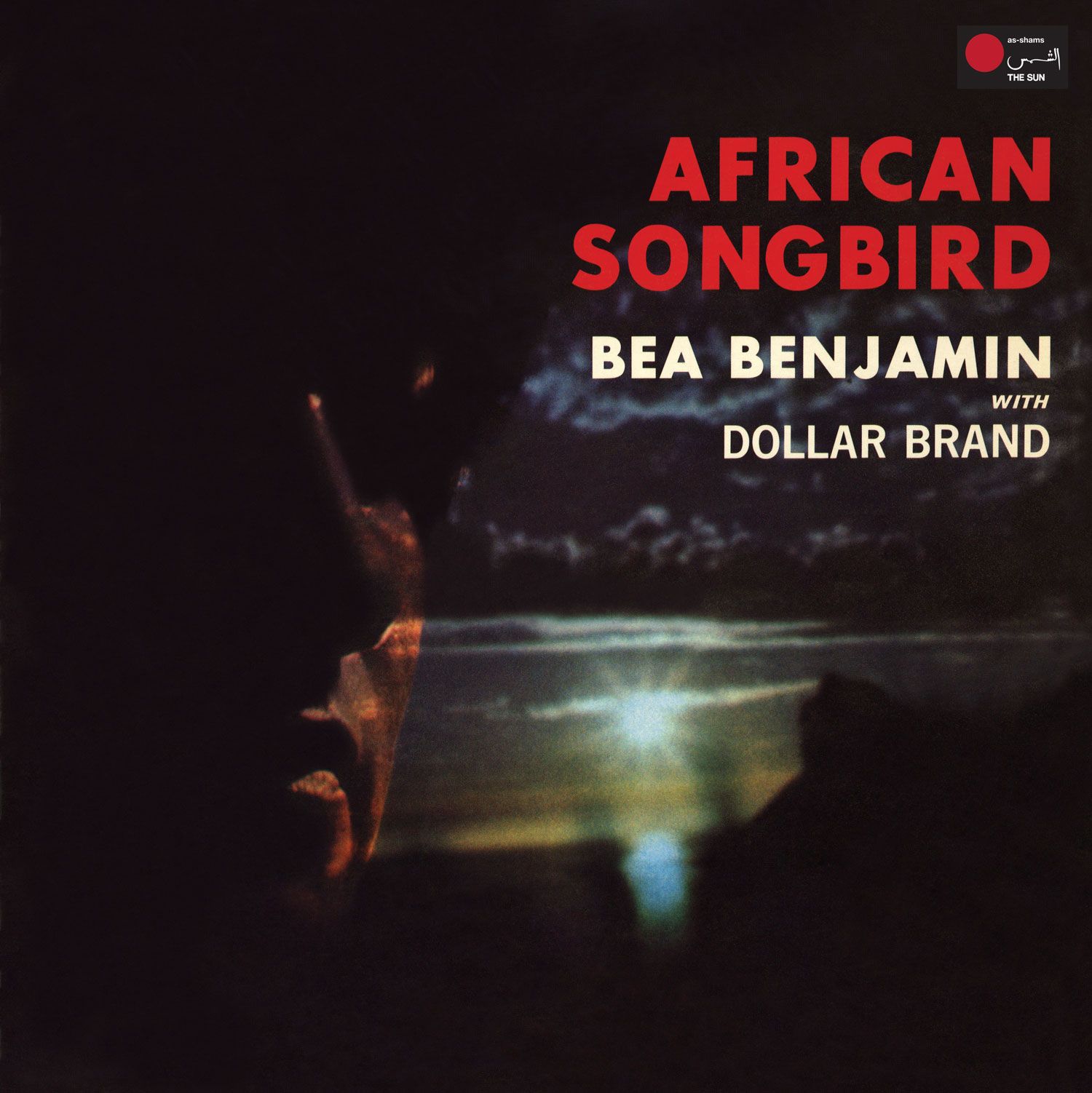
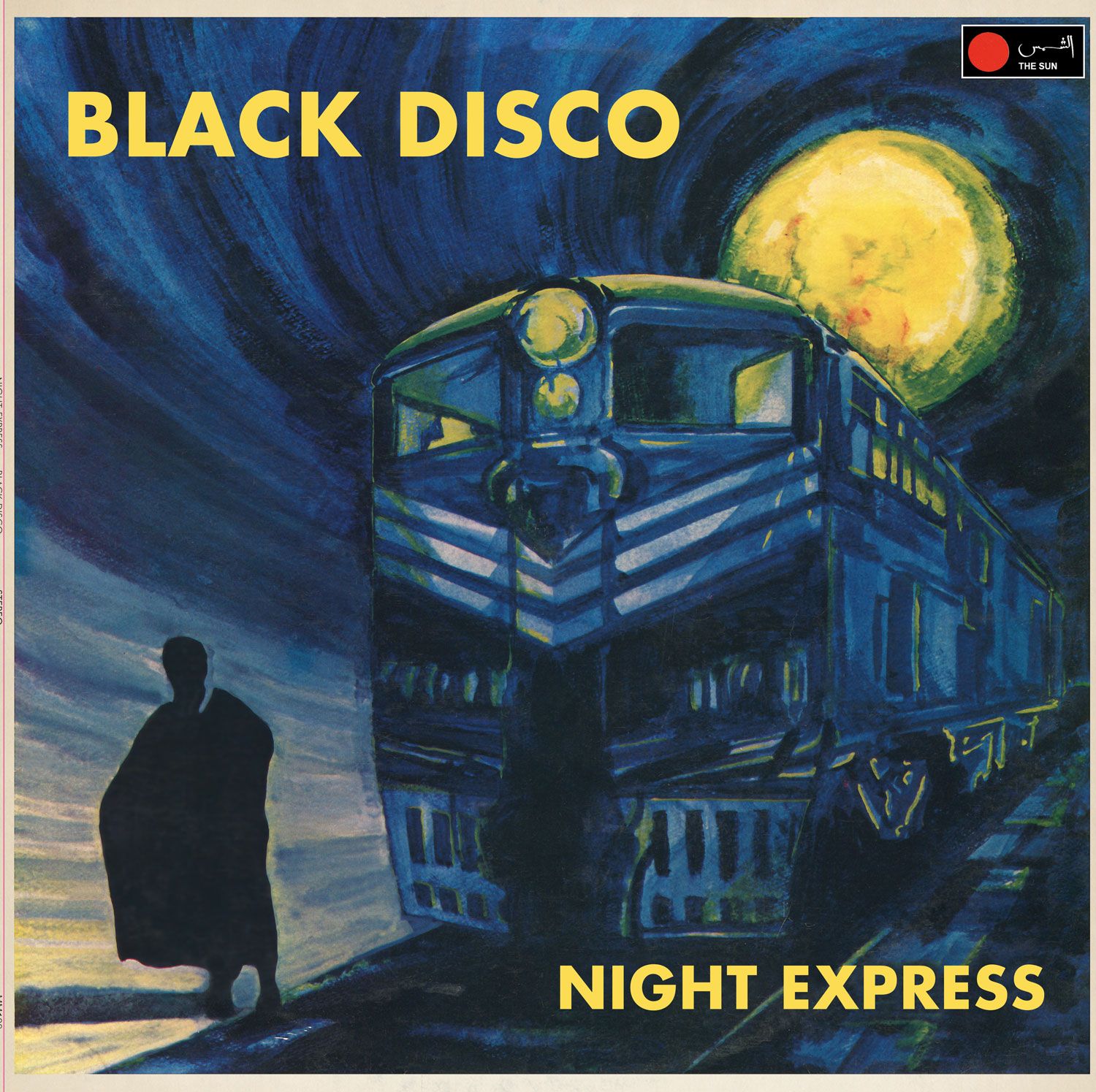
Together, Albertyn and Temple have built an extraordinary catalogue with extraordinary care. It now runs to almost 30 albums and includes artists of the stature of Sathima Bea Benjamin and Hugh Masekela. The first Matsuli release, in 2010, was Chapita by Dick Khoza, originally issued on Rashid Vally’s As-Shams (The Sun) label in 1976. A drummer and percussionist, Khoza had worked as the leader of the house band at the Pelican Club in Soweto. While visiting family in Malawi he heard and was inspired by Osibisa, the London-based group blending funk, rock, jazz and highlife. Chapita brings jazz improvisation into music made for the dancefloor, built on extended dance grooves with a buoyant, forward-moving energy.
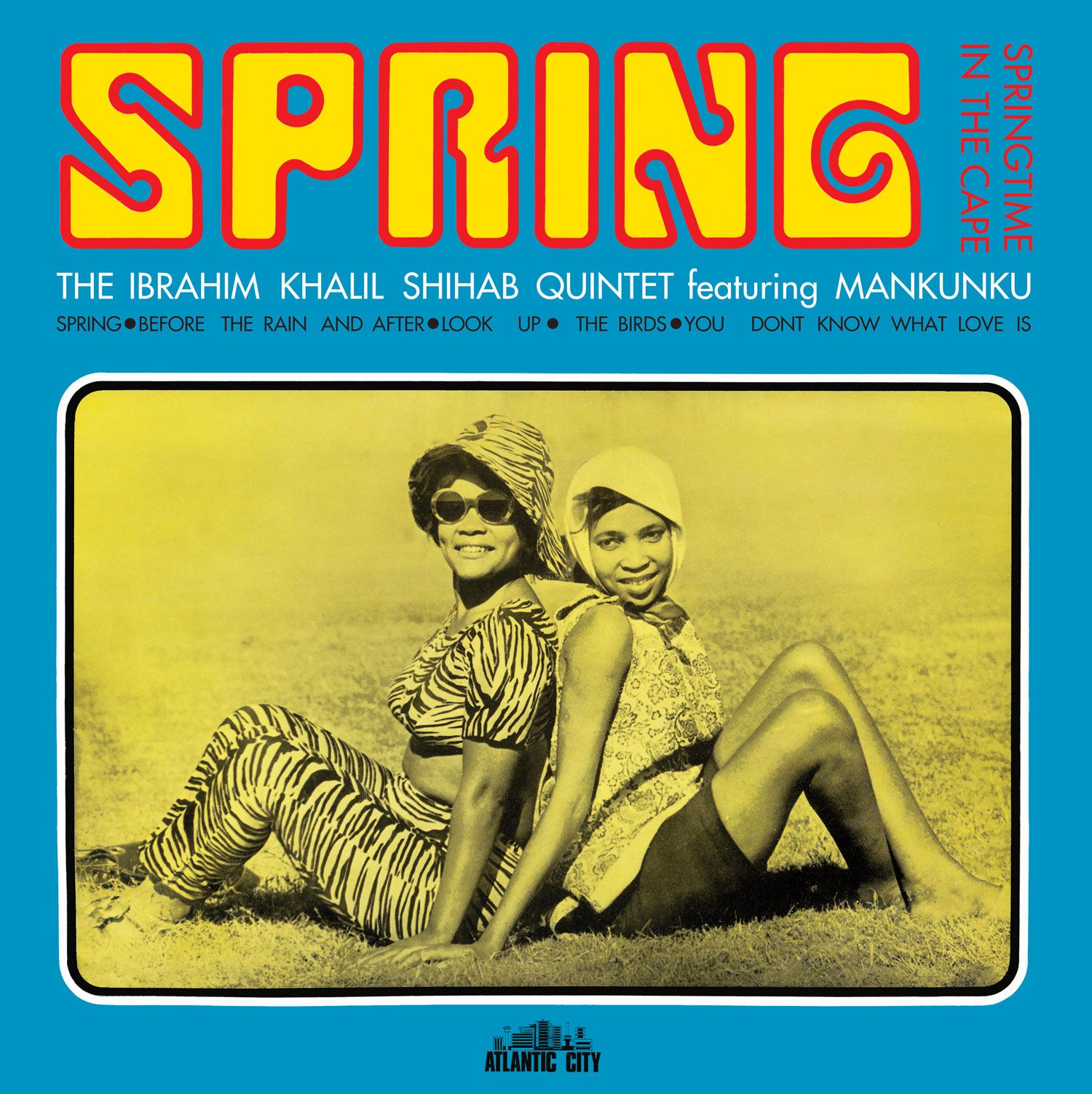
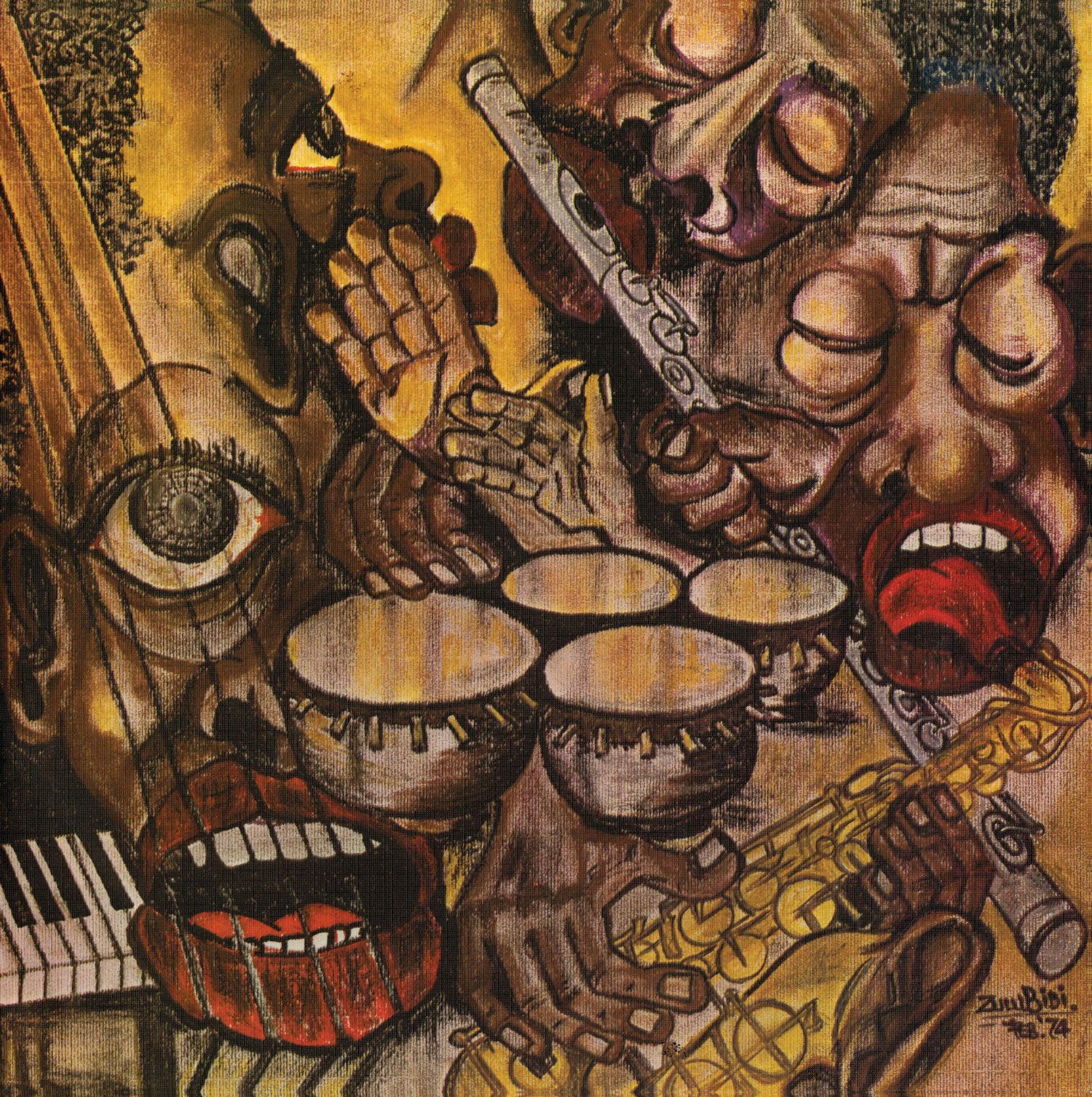
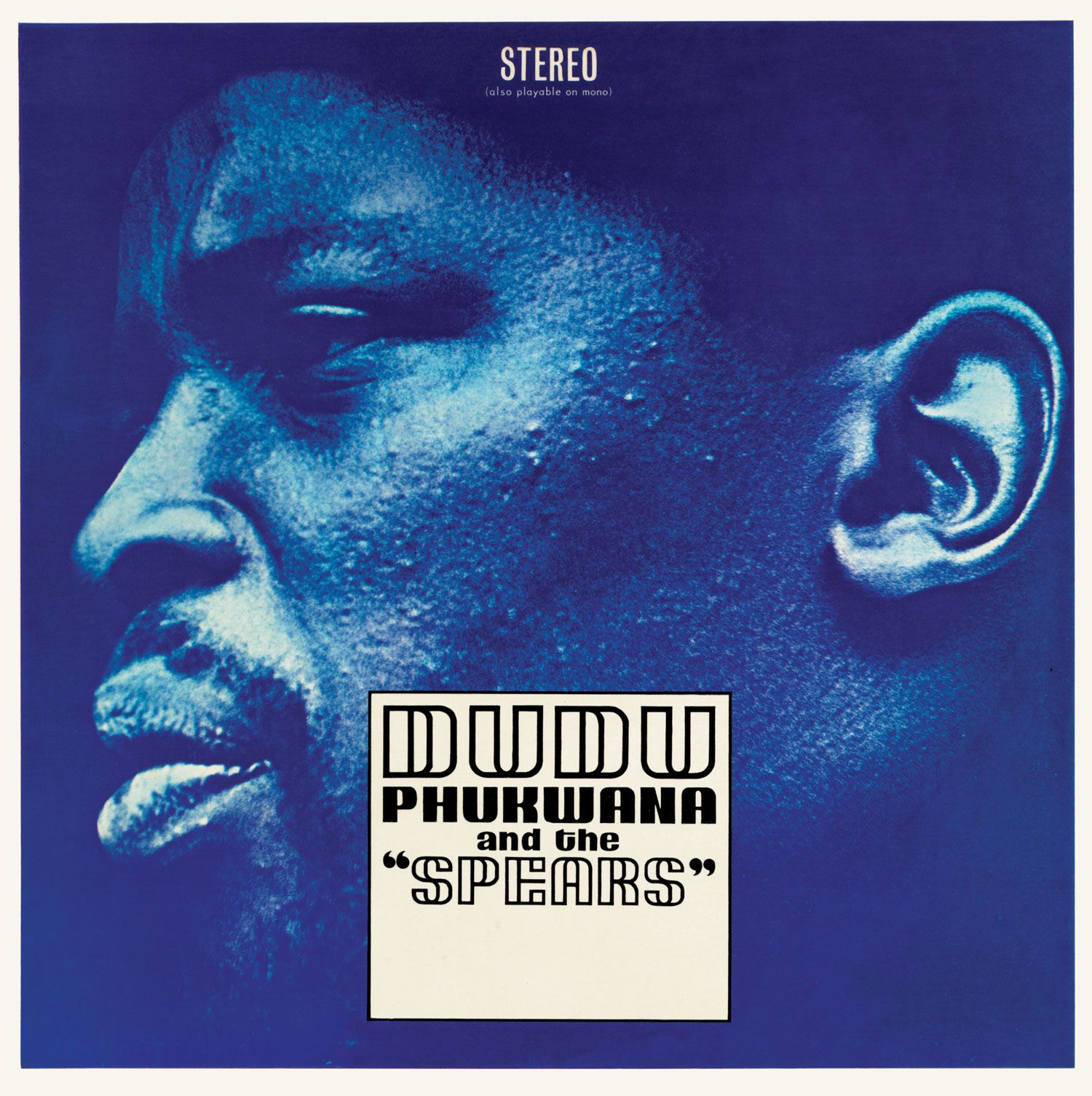
One of the most significant Matsuli reissues is the 1969 album Dudu Phukwana and the “Spears”. Recorded in London and expanded by Matsuli into a double album with previously unreleased material, it captures Pukwana working with a shifting group of South African and British musicians shortly after leaving South Africa. The record includes early appearances by the young Richard Thompson, later of Fairport Convention, alongside players from Osibisa, and moves between jazz improvisation, mbaqanga and marabi.
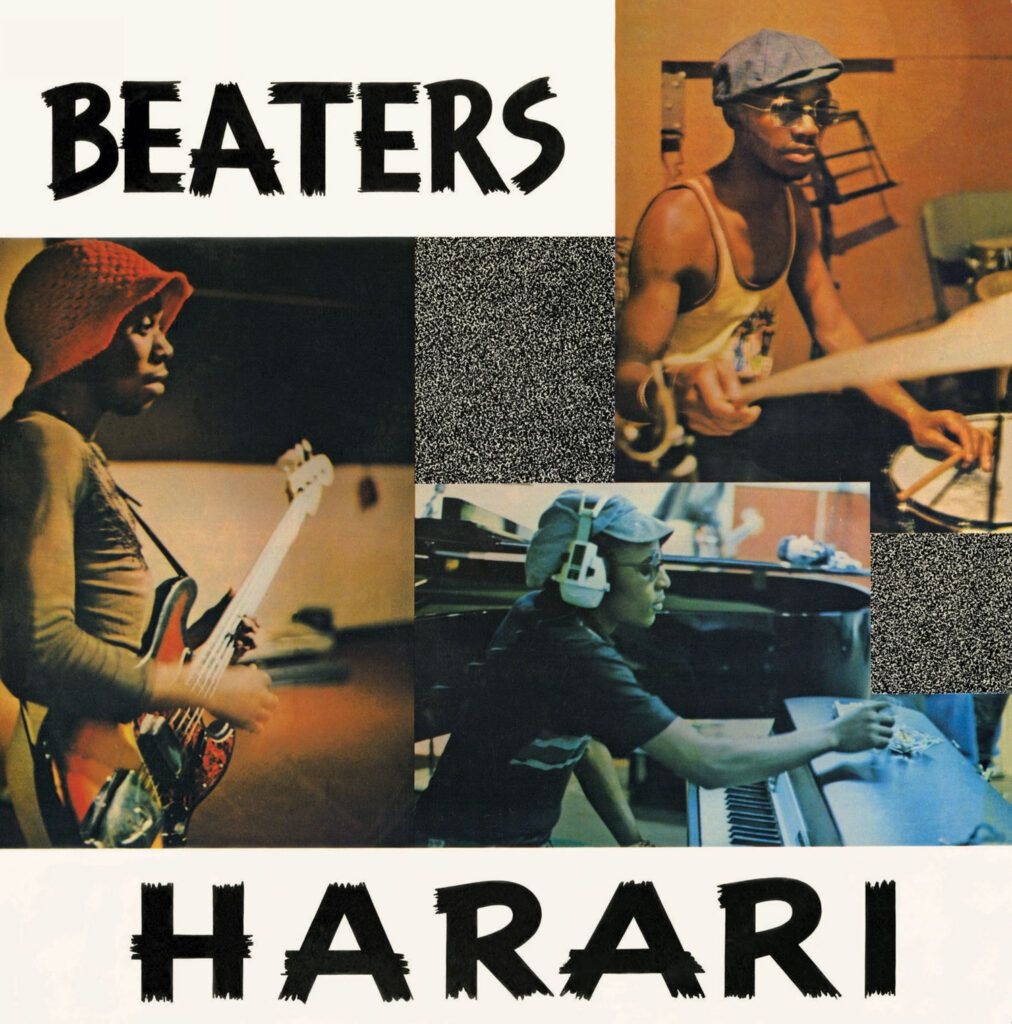
Matsuli has also reissued Inhlupeko, the 1969 album by The Soul Jazzmen, the Port Elizabeth–based group led by pianist Tete Mbambisa. The record stands alongside Winston Mankunku’s Yakhal’Inkomo as a defining statement in the popular South African jazz of the period, with both albums shaped by a shared engagement with John Coltrane.
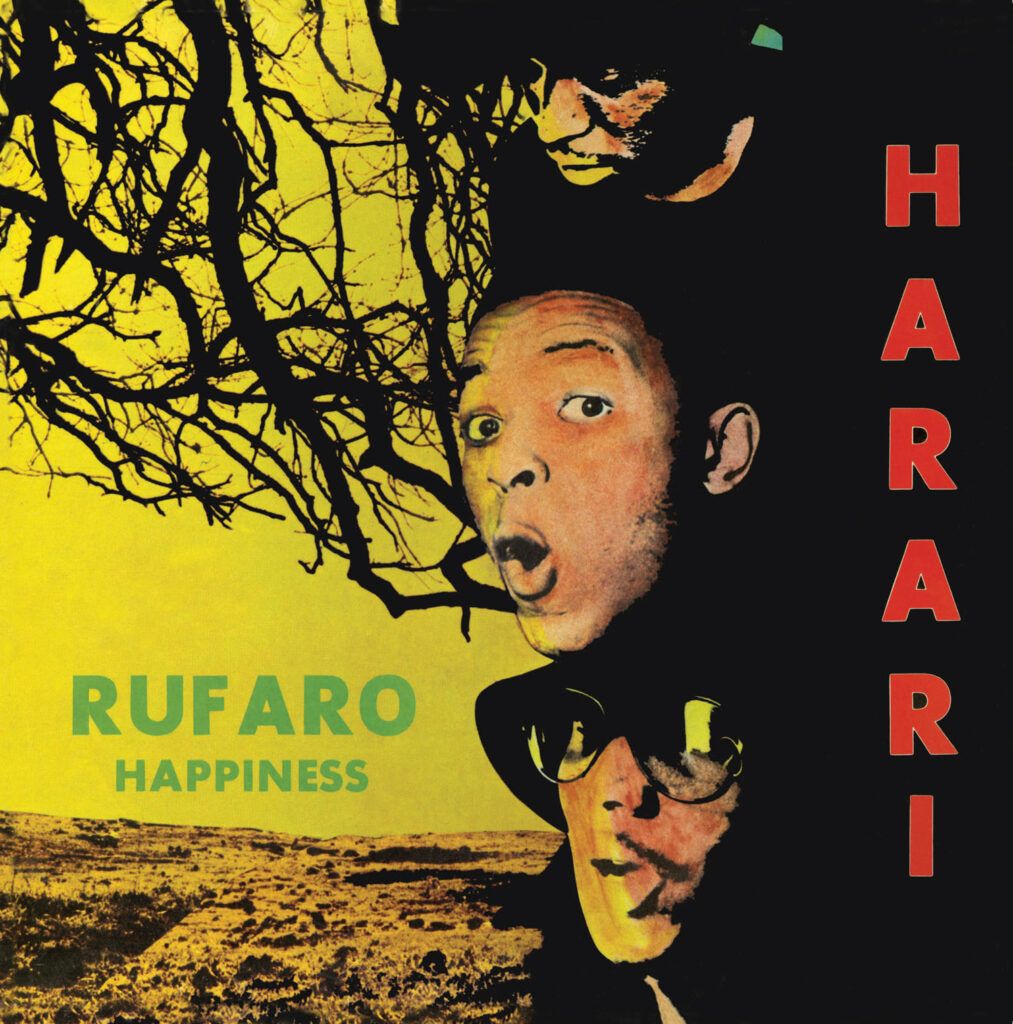
Witchdoctor’s Son, recorded in Istanbul by Johnny Dyani and the Turkish percussionist Okay Temiz, is another particularly significant reissue. Temiz was a prominent figure in Istanbul’s experimental and jazz scenes who frequently worked with visiting and international musicians. The album was originally issued only in Turkey and had limited circulation. This reissue marks the first time it has been made more widely accessible.
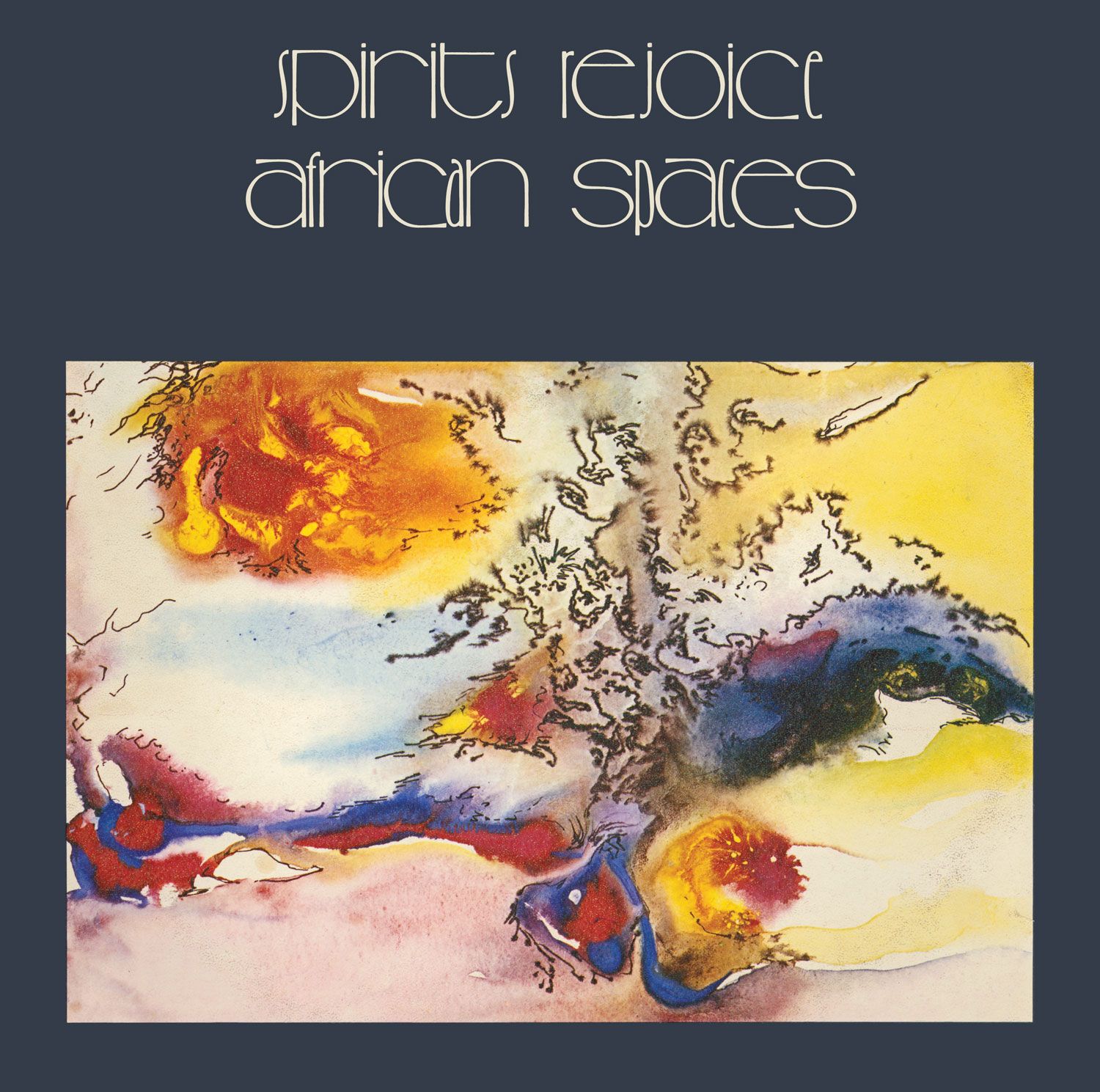
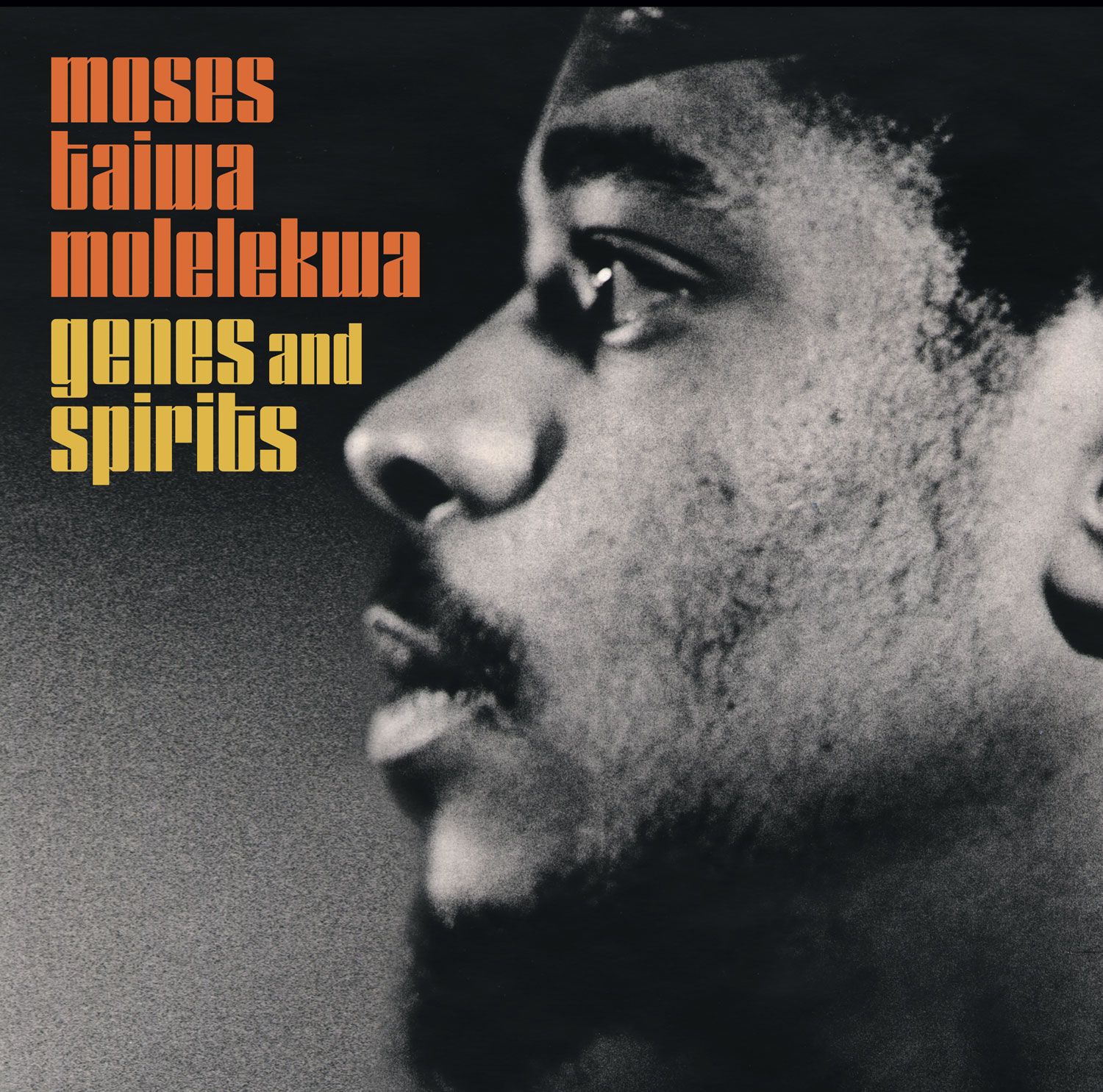
The Matsuli catalogue also includes the first vinyl reissues of two celebrated albums originally released on CD by MELT 2000. The first is Busi Mhlongo’s Urban Zulu, a driving, compelling album firmly rooted in maskandi but moving into new, sometimes pan-African sonic terrain. The second is Moses Molelekwa’s Genes and Spirits, a record connecting the South African jazz tradition to contemporary influences, including Afro-Cuban sounds and drum and bass.
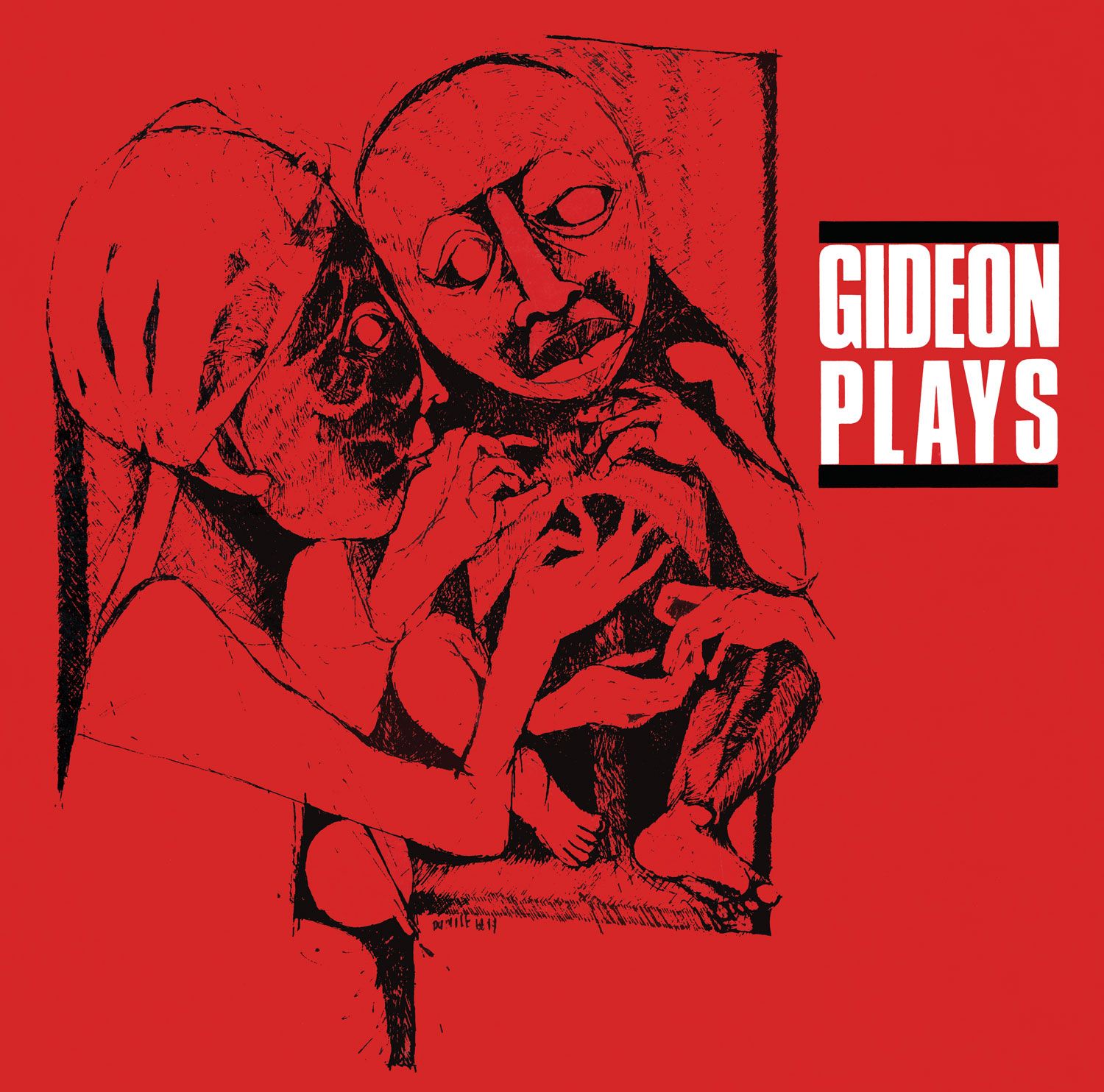
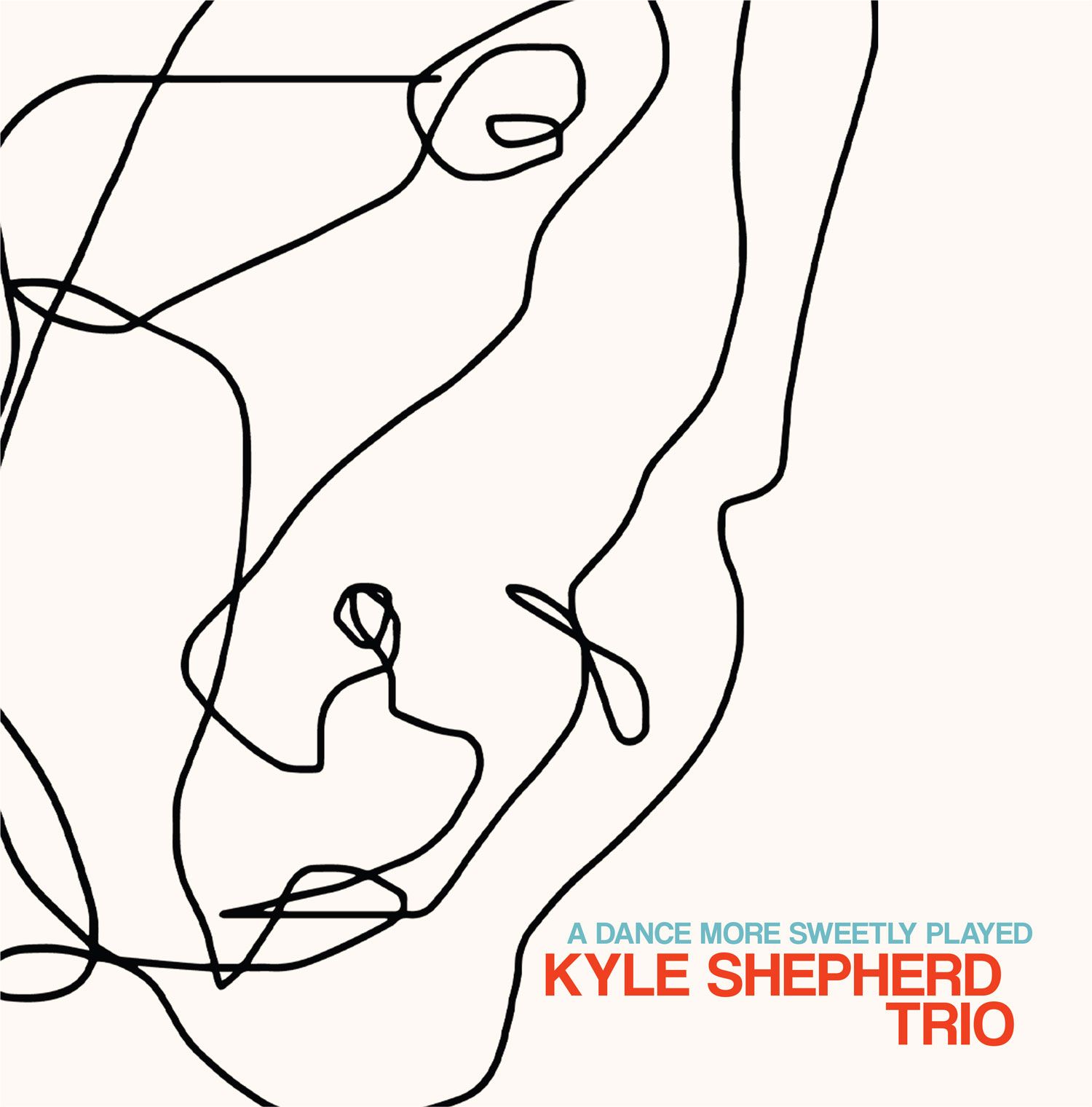
Matsuli has also moved into releasing carefully selected new work. Albertyn explains that this followed the same principles as the reissues: care, ethical engagement, and close attention to how the music would be presented. This began in 2015 with Derek Gripper’s One Night on Earth, an exquisite solo guitar album that translates Malian kora music to classical guitar. Later releases have included two albums by the pianist Kyle Shepherd, a major figure in contemporary South African jazz.
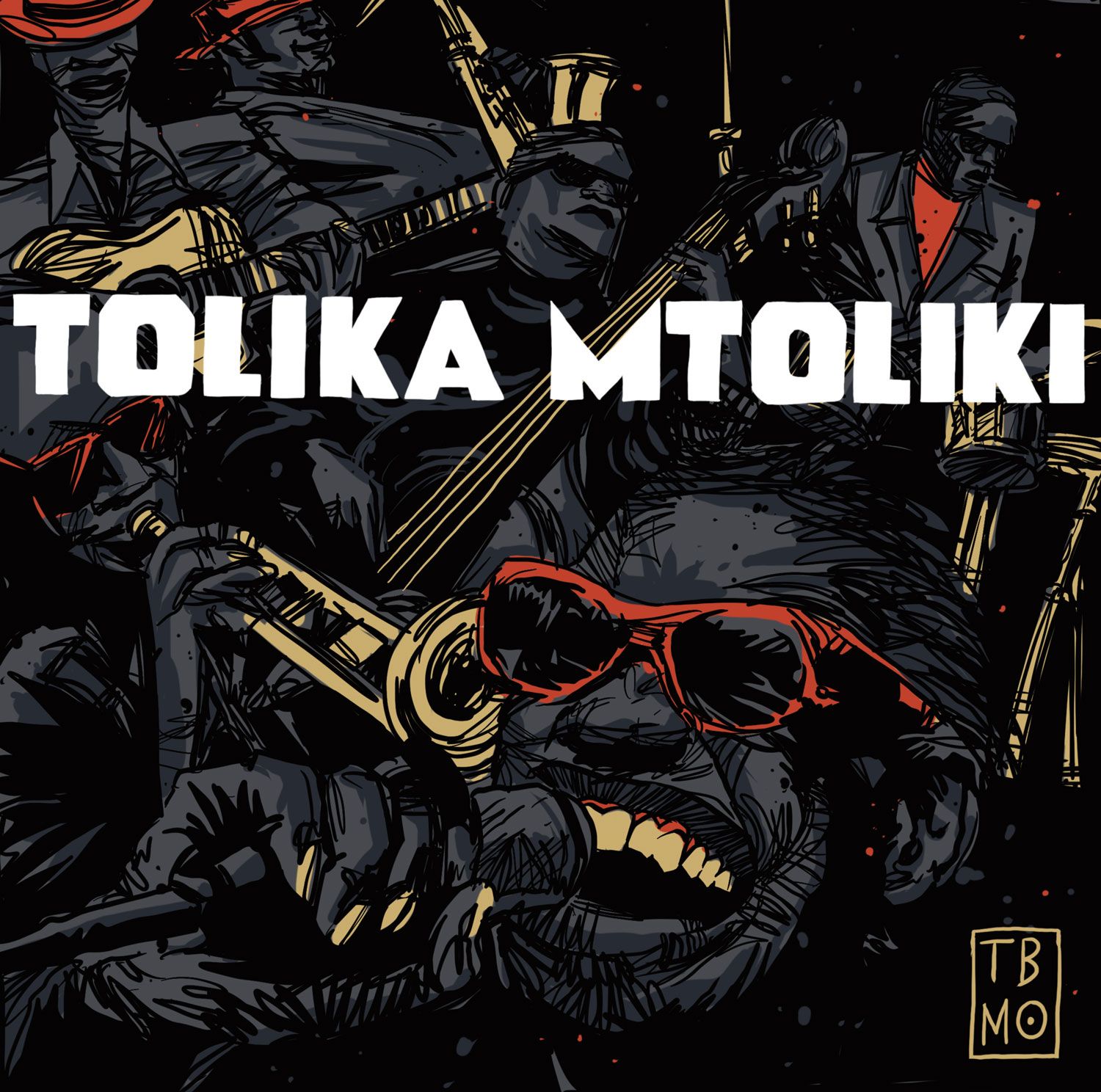
Matsuli has also released Tolika Mtoliki, an album by The Brother Moves On, the Johannesburg performance art collective. Tolika Mtoliki reworks tracks by artists such as Mongezi Feza, Johnny Dyani, Batsumi, the Malopoets and Malombo, treating them as living work open to new words, meanings and political address.

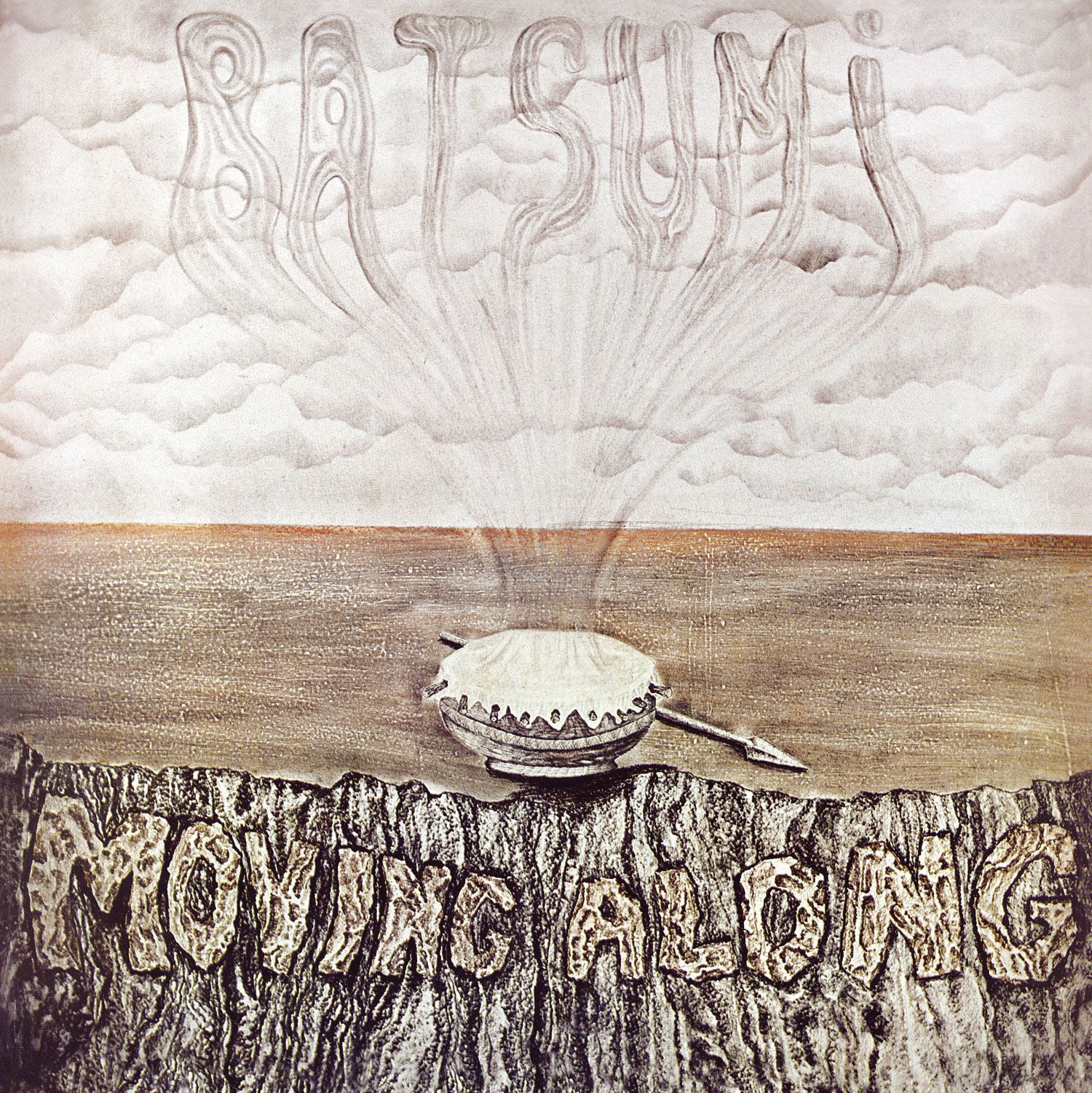
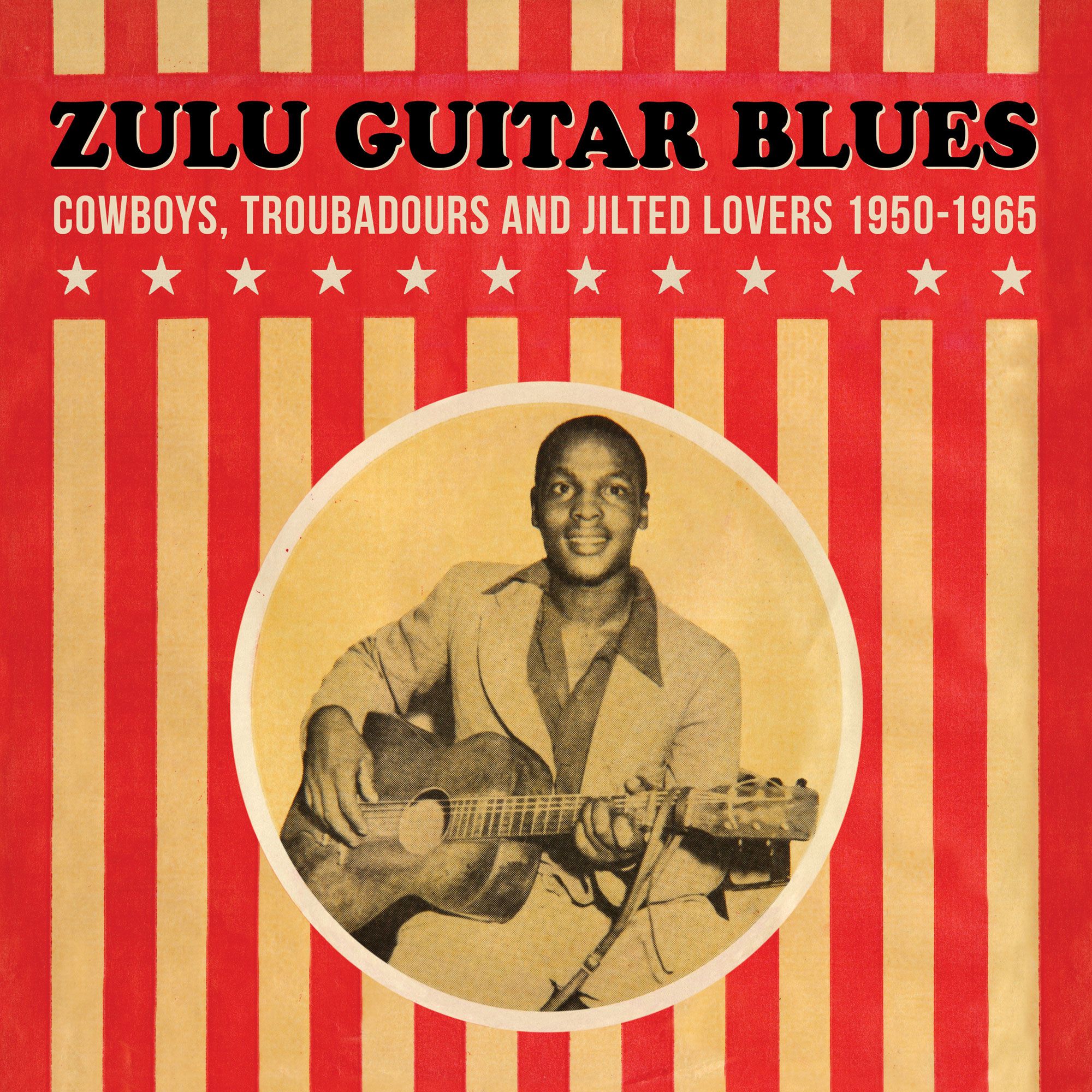
Matsuli’s biggest-selling release has been Batsumi, the self-titled 1974 album by the shifting collective formed in Soweto around Johnny Mothopeng, the son of the Pan Africanist Congress leader.
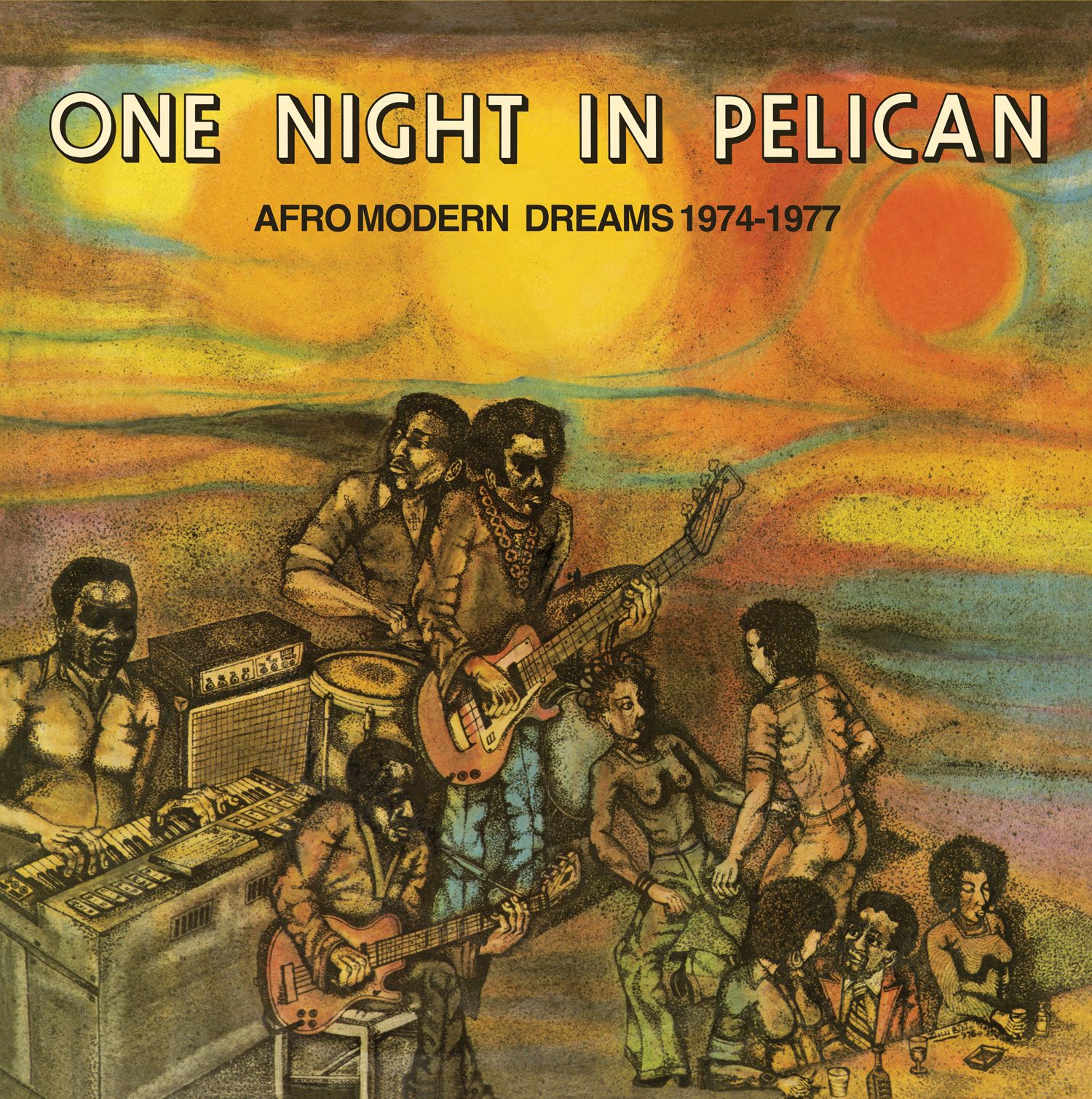
The record is built around long tracks marked by repetition and groove, with prominent use of reverb and other effects that give parts of the album a psychedelic, futuristic edge more often associated with Euro-American experimental rock or Jamaican dub of the period. Hypnotic and intense, and at times abrasive, it is a demanding record that rewards sustained listening, and it became a crate-digger classic. The success of the reissue meant that Matsuli was able to pay Mothopeng more than he had ever received for the original 1974 release.

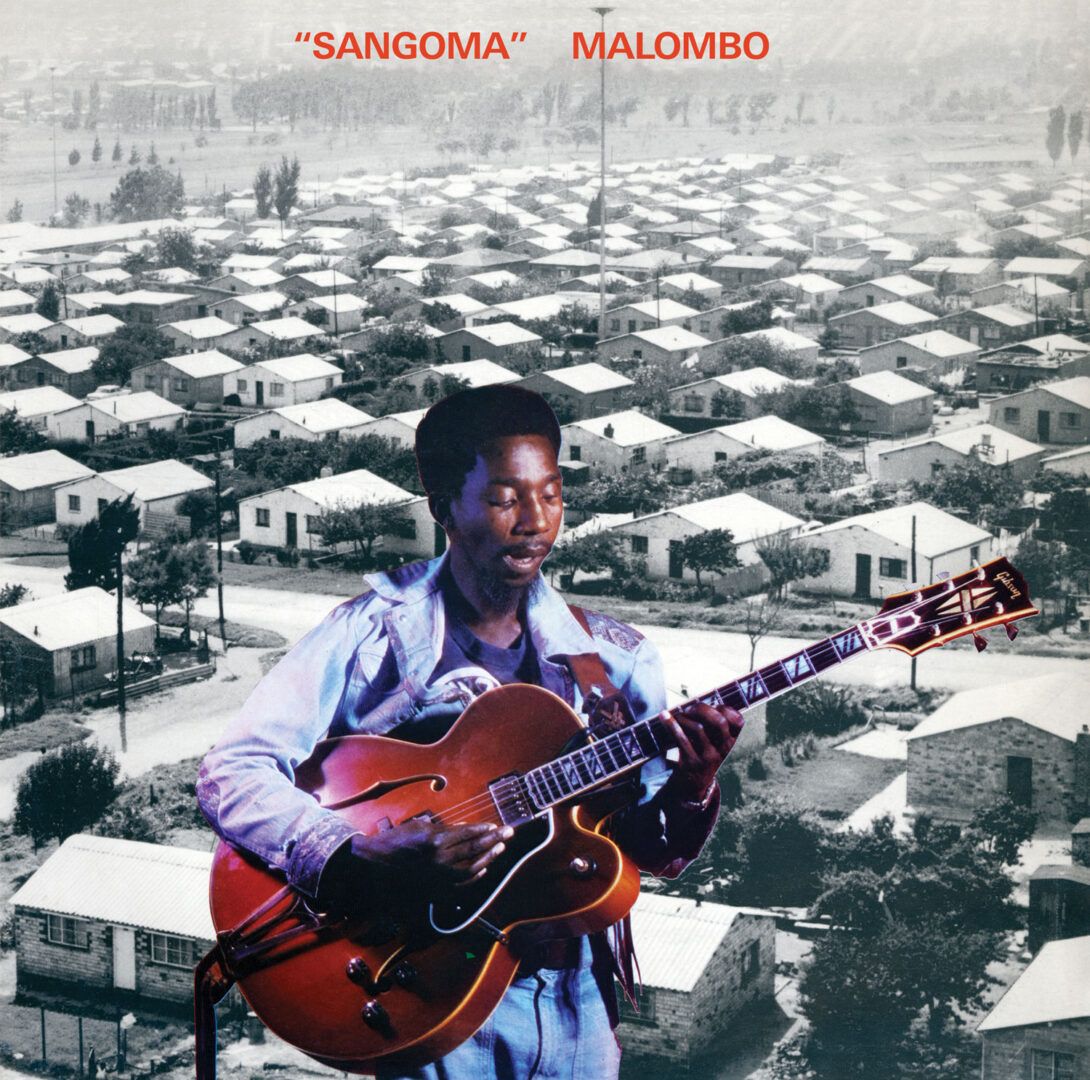
The most recent Matsuli release is Sangoma, the fourth studio album by Malombo. Albertyn, who was able to visit Tabane at his home in Mamelodi before his death in 2018, speaks about Tabane as a generational figure, in the same way that rugby writers speak about Sacha Feinberg-Mngomezulu: not simply as an exceptional performer, but as someone whose presence reshapes what seems possible in the field itself.
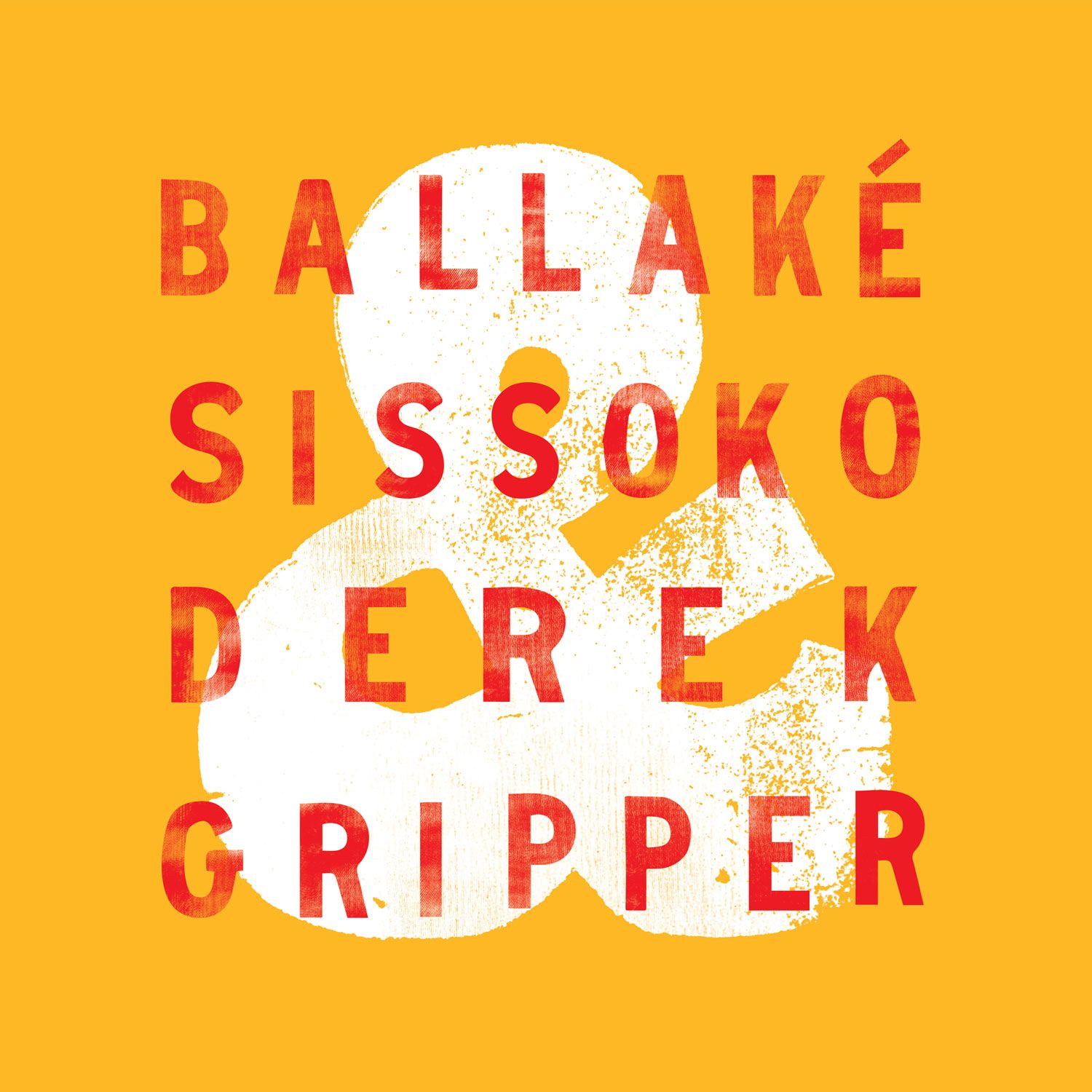
First released in March 1978, Sangoma followed a period in which Malombo had achieved unprecedented international recognition, including appearances at the Newport Jazz Festival in June 1977 and the Montreux Jazz Festival the following month.
As Albertyn explains, Sangoma marks an expansion of Malombo’s sonic world. The album records him working in a five-piece format and stepping back from the more forcibly foregrounded guitar role of earlier recordings. For Albertyn, this shift opens greater space and clarity in the music, allowing the guitar, drums and voice to sit in a more open and assertive relation to one another, and establishing a broader compositional basis that would shape Tabane’s work over the following decade.

The album also sits within the intensity of the cultural and political moment of the 1970s, when Malombo became closely associated with the Black Consciousness Movement. Temple and Albertyn had owned and loved the album for years but were acutely aware that the original pressing did not do justice to the music. The remastering is a triumph, bringing renewed presence, clarity and depth to the recording.
South Africa is a hard place. Good people standing up for the right thing get shot in the head. But it is also a beautiful and profound place and Matsuli Music has been exemplary in giving due respect to some of the best artistic contributions to come out of our long vortex of oppression, pain and resistance.
This article was first published in Business Day. Re-published in herri with kind permission of the author.