PULE LECHESA
Sophonia Machabe Mofokeng: Distinguished Essayist and Dramatist in the pantheon of Sesotho Literature
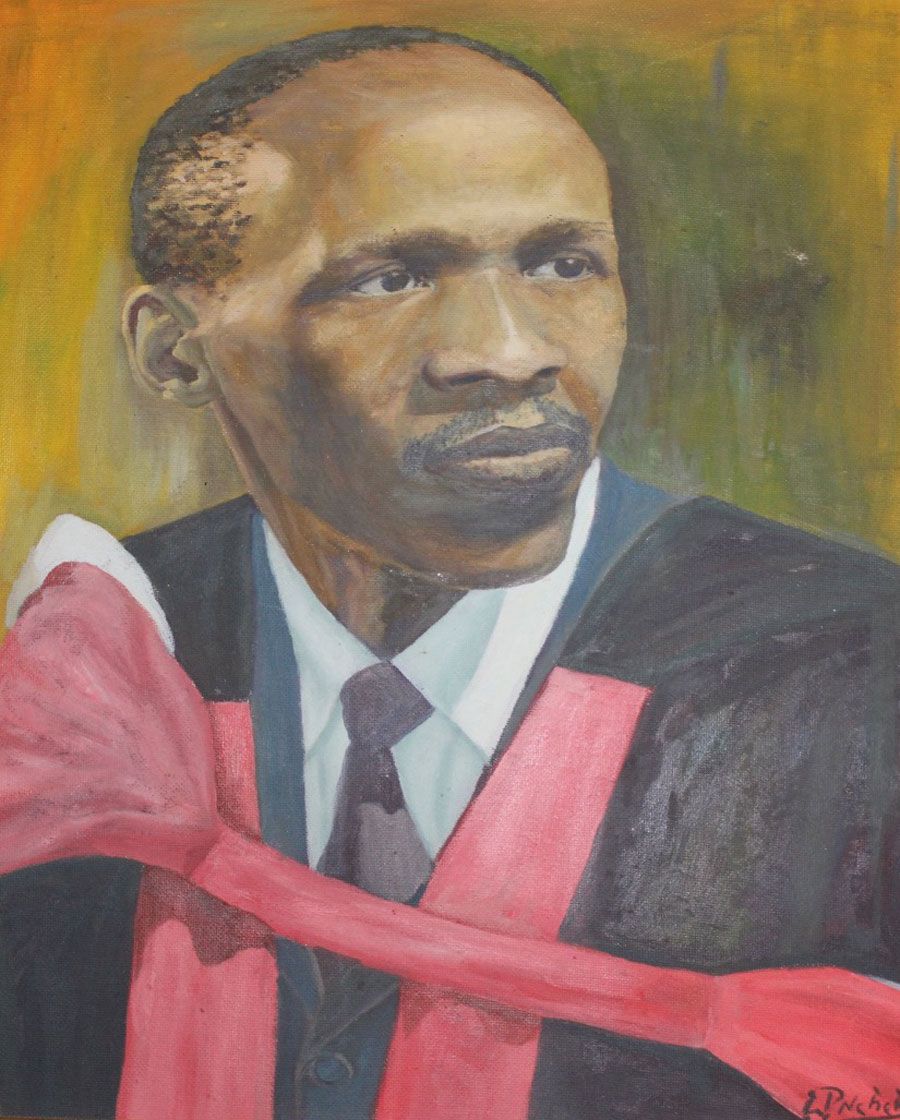
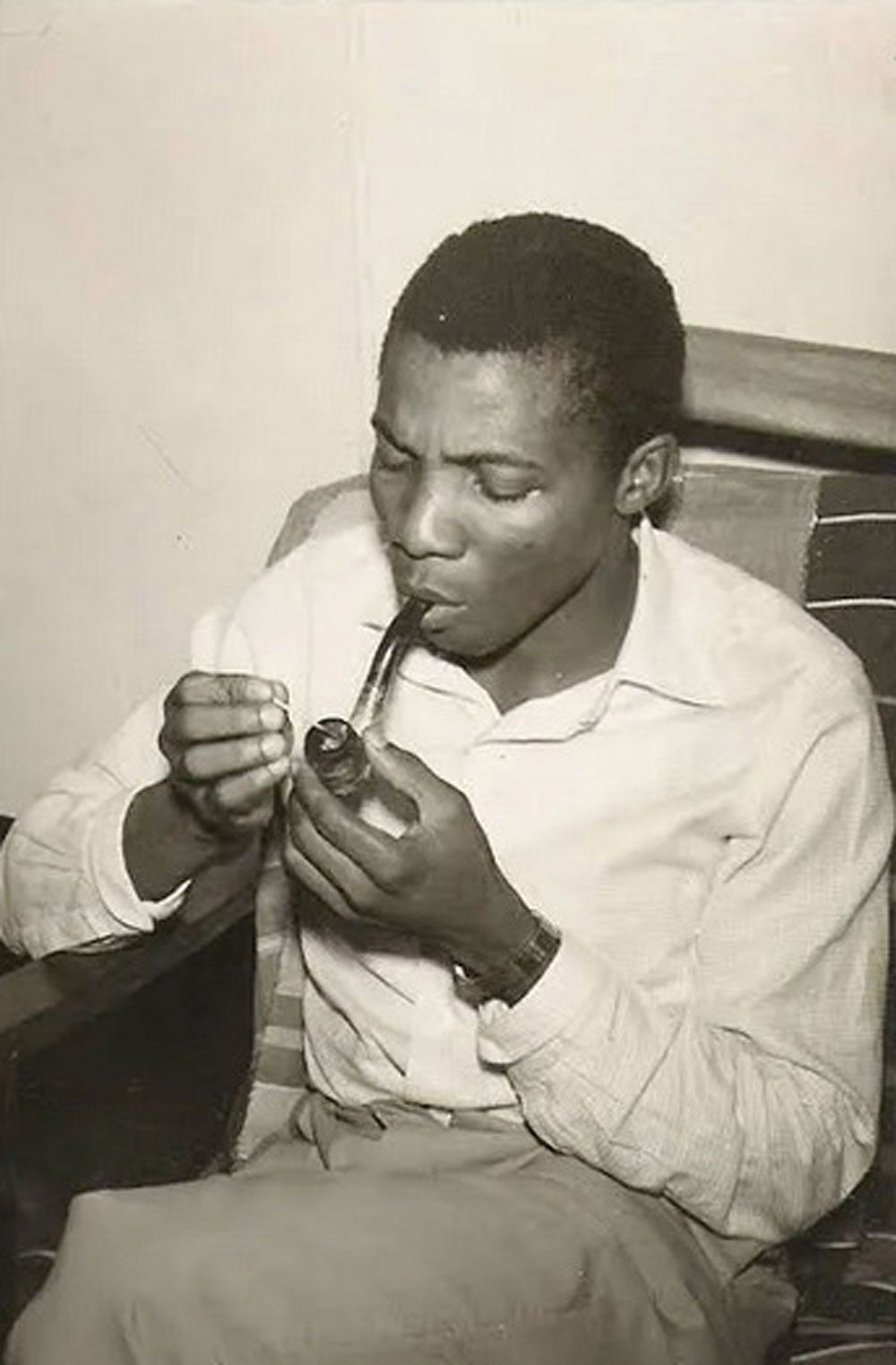
Who was Machabe Sophonia Mofokeng? What is his position in the pantheon of Sesotho Literature? Professor Nhlanhla Maake has written about him: “In Southern Sotho the greatest essayist and dramatist, Mofokeng… his death at the age of 34 years was an irreplaceable loss to the ranks of the New African Movement.” Indeed, the haunting nature of Mofokeng’s untimely demise accentuates his poignant life and work. His late close friend and colleague, Professor in the Department of Bantu Studies at the University of Witwatersrand, Clement Martyn Doke (1893-1980) describes him as ‘a man of high scholarship,’ who was ‘highly respected by all the students and loved by his colleagues.’
Mofokeng’s life and literature
The late Dr. Sophonia Machabe Mofokeng was born on 1st April, 1923 at Matsekanyane farm, in Fouriesburg District, South Africa’s eastern (Oranje) Free State province.
He was born into a family of four children as the second child, his two younger brothers were Mochoroane Peter Mofokeng and Ralephele ‘Sile’ Andrew Mofokeng, his eldest sister, Lisele Elizabeth Mofokeng was a qualified Nurse.
Mofokeng’s father, Mmone Silas, hopped from job to job, striving to make ends meet. At one point, he worked as a tailor then he became a farm labourer and later a mine worker. His mother, Mma-Lisele Miriam (née Ramatsoku) Mofokeng, was a self-employed laundress rendering her services to various individuals around Free State province.
The parents of this premier Sesotho language essayist and dramatist originally came from Butha-Buthe in the Mountain Kingdom of Lesotho. They relocated to the Matsekanyane Farm in the Free State in search of greener pastures in the early 1900s before settling in Fouriesburg, Mashaeng Township.
According to Wikipedia, Fouriesburg is a small town nestled at the junction of the R711 and R26 routes in the eastern Free State. It further shows that ‘‘it is located near the Maluti Mountains, about 10 km from the Caledon’s Poort border post, which gives access to Lesotho. “This pocket of land was ‘donated to Orange Free State by Christoffel Gerhardus Fourie’’ who then turned it into a temporary capital during the second Boer War’’.
Fouriesburg was once the site of several engagements during the Boer War, and it is said that by 1902, the original settlement had been almost completely destroyed. The place is about half an hour’s drive from Clarens, a now popular tourist destination, and a 45-minute drive from the Golden Gate Highlands National Park.
Mofokeng was brought up in Fouriesburg in a close knit community and family. His supportive younger brothers, Sile and Mochoroane, used to type his manuscript(s) whenever he was busy with other crucial personal errands. He revealed this in the preface of his maiden Sesotho book, Senkatana:
Ke leboha le bara beso, Sile and Mochoroane, hobane ba ile ba kgothalla ho thaepa mosebetsinyana ona ka nako eo nna ke neng ke sitwa.
I am grateful to my beloved brothers, Sile and Mochoroane, because they had the enthusiasm to type my work when I failed to personally do so.
One can see that his brothers wanted him to succeed at all costs.
As a youngster, Dr. Sophonia Machabe Mofokeng started his primary schooling in Mashaeng at Nederduitse Gereformeerde Kerk primary school, better known as N.G. Kerk primary school, which when translated into English means Dutch Reformed Church primary school. He completed his Standard Six in 1934.
The literary genius was later educated at Stofbergedenkskool, Viljoendrift in Heilbron district where he put two distinctions under his belt, obtaining a first class pass for his Standard Eight (JC) in 1937, before proceeding to Natal at Adams Mission High School where at the age of 16 in 1939, he successfully obtained his Matriculation (JMB). His academic savvy was evident when in matric he obtained a first class with distinctions in Southern Sesotho and Botany.
The fact that Mofokeng’s style of writing exhibits religious influence is because he grew up as a staunch member of the Dutch Reformed Church. He literally grew up spending most of his time in church, religiously reading the bible and memorising the scriptures. It comes as no surprise that some of his stories always have biblical imageries and allusions. They are also spiced with economic and socio-cultural elements.
The people around him could see that he was sold out to Christianity principles. One of them is Professor Clement Martyn Doke (1893-1980), the founding Professor of the then department of Bantu Studies at Wits University (until he retired in 1953) mentored and encouraged Mofokeng to write Sesotho books. He could see the untapped creative writing and academic potential in Mofokeng and also knew his traits as demonstrated in his obituary of Mofokeng:
He was a man of Christian character. A member of the Dutch Reformed Church, he was a devout follower of the Lord Jesus Christ; humble and kind-hearted, cheerful in suffering, respected for this transparent honesty, loved for his quaint humour and readiness to help.
The great Mofokeng was a prodigious reader of books written in both English and Sesotho hence his essays are sprinkled with quotations from the books written by English writers. In one of his essays, he quotes a passage from Alfred Lord Tennyson’s (1809-1892) epic, Morte d’ Arthur where he says that most of the time, some people frequently repeat the English poet’s words which say: “More things are wrought by prayer than this world dreams of!”. In another essay he talks about Alexander Pope indicating that he could not agree more with him when he said in An Essay on Man, ‘‘Hope springs eternal in the human breast,’’ his Sesotho translation of this line reads thus, ‘‘Tshepo e kolla ka ho sa feleng difubeng tsa batho’’.
The other writer that Mofokeng read and who is said to have been his favourite is an English Romantic poet, William Wordsworth (1770-1850) who he also quoted in, Ode: Intimations of Immortality from Recollection of Early Childhood: “The poet said:
It is not now as it hath been of yore; –
Turn wheresoe’er I may,
By night or by day
The things which I have seen I now can no more.
Mofokeng translated that into Sesotho and his version in the original book reads thus:
Ha ho sa le jwalo ka maoba Kajeno
Ka leka ho sheba kwana le kwana
E ka ba Bosiu, e ka ba motsheare,
Dintho tseo ke di boneng ha ke sa di bona hape Kajeno.
This poem clearly had a deep influence on him as it is illustrated in his essay titled – Change, in In My Heart, in which he laments how people and things changed drastically in his home village.
After longing to go home for years, when he finally got there, he was shocked to find that things had changed for the worst, some of his childhood friends were now grown men and women with families, others were inmates who were serving time in jail while most were lying six feet in their graves.
It greatly pained him to think that some people despised their roots and he consequently cursed them for their folly, wondering: ‘‘Which stage can surpass childhood in terms of pleasure? Cursed are those who hate places where they were born, places where they were bred, because that means that they hate their childhood.’’
This curse reminded me of the epitaph carved on the stone slab covering William Shakespeare’s grave that reads thus: ‘‘Blessed be the man that spares these stones and cursed be he that moves my bones’’.
The two statements made me think of the power of curses in this modern time. I recall an article that I read about certain intellectuals who tampered with Shakespeare’s bones. A lot of people still leave their homes all over South Africa and go to Johannesburg for greener pastures only to be swallowed by the city life.
Mofokeng also enjoyed reading books written by Sesotho writers like the legendary Thomas Mokopu Mofolo, Zakea Mangoaela, Kamuel Edward Ntsane and Makalo Khaketla.
Reading a passage where an accomplished South African novelist, Justin Cartwright is remembered for hoisting the South African flag high by winning Britain’s Hawthornden Prize for his novel, The Promise of Happiness reveals that realist writers often borrow themes or ideas from their own personal experiences.
‘‘…But obviously, it’s an absolute truism – you can’t really write a book except from your own consciousness. If you’re a realist of any description you have to use direct experience; I suppose if it’s about hobbits or fantasy, you don’t, understanding the world’’.
One of the all-time greats of African literature, Professor Ngugi wa Thiong’o once echoed something along these lines by saying: ‘‘Literature looks at reality through images, but those images reflect certainrealities’’. (Tribute, Sept, 1991: 266).
Sesotho writers also use their personal experiences in their fiction and one classic example is Lechesa Everitt Segoete popularly known for his book, Monono ke moholi ke mouoane (Riches are like mist).
This was revealed by Zakea Mangoaela, who edited one of Mofokeng’s books highlighting that, “if one reads the book Monono ke moholi ke mouoane, written by himself (Segoete), one soon realises that much of what one reads about Khitsane (main character in the story) actually happened to Segoete in the Cape Colony, (Franz, 1930:152)”.
Mofokeng was no different from others as a philosopher, realist and divergent thinker who chronicled modern-day realities, giving readers a glimpse into certain truths of his real life.
He possessed esoteric attributes such as psychometry, clairvoyance and telepathy. ‘‘In most cases, we live with a person knowing him as a person of this nature; that we really respect. One day he passes on. We praise him at his funeral. Books are written about him, books that eulogize him.’’
He prophesied his death and what was to happen after his funeral which is getting a book (s) written about him and certain things revealed from his books (letters).
“A year passes, or two, three or even ten. After that period of time, a historical researcher discovers this person’s letters somewhere. In these letters we discover the weaknesses of that stalwarts, which we did not know, which were perhaps, known only by his bosom friends. We begin to be surprised, but then it is too late’’, he wrote.
Mofokeng was right when he said researchers will discover things that will shock others. I think that he will be perceived to have had sexist tendencies in some quarters, owing to how he portrayed women in some of his essays. He refers to them as the progeny of Eve in his essay titled, Death.
The biblical story of Eve paints a picture of men’s inclination of always blaming the ‘weaker sex’ for everything that goes wrong. Adam knew that he was not supposed to eat the forbidden apple from the garden of Eden, but he allowed his wife to convince him to eat it anyway. When the pawpaw hit the fan, he retorted: ‘‘The woman whom You gave to be with me, she gave me of the tree, and I ate.’’
Mofokeng further contends: ‘‘Death is cruel.’ But what is the use? Because we have to meet it, even though we do not like to. It is the curse that Eve brought upon us.’’
The following statement written by Mofokeng can be interpreted as saying, all women are inconsiderate and insensitive. ‘‘Indeed, it is true. When the progeny of Eve knows the truth, she tells it without qualms, irrespective of whether she will offend other people, like a child.’’
Foremost on Mofokeng’s mind, was his legacy in life and beyond death. He was convinced that he would still speak to scholars and the ordinary reader through his writings even in death. He wrote on his essay, Paper:
That is the way of paper. It is your eternal voice that continues to speak even when you are in the cold earth, when the tongue has turned into worms. Through it you speak even when you are dead!
Yes, he might have died all those 64 years back, but as one reads his books, it feels like we are in direct communication with him as his writings depict the true nature of the man, we get a clear insight into his psyche.
There are many other writers who just like Mofokeng prophesied their own death(s) – there is the late celebrated Nigerian poet, teacher and librarian, Christopher Ifekandu Okigbo (1932-1967) in his acerbic poem that reads in part thus:
…AN OLD STAR departs, leaves us here on the shore
Gazing heavenward for a new star approaching;
The new star appears, foreshadowing its going
Before a going and coming that goes on forever…
Mofokeng was an avid reader of poetry, folktales, and short stories as well as essays because they greatly fascinated him and was able to finish them in no time. His essay titled, ‘‘Phethelo” (The End) clearly reveals that he could not in his wildest imagination picture himself reading or writing a novel as he preferred reading books that are not long:
Le dibukeng ho ntse ho le jwalo feela. Buka e telelele e ya re tepeletsa le yona. Re ba botswa ho e qeta hobane re bona hore qetello ya yona e hole haholo. Se ka mpang sa re kgothatsa ke ha e ena le dikgaolo tse seng telele haholo, hobane tsona di na le hona ho thetsa ka ho etsa hore re lebale bolelele ba buka, re nahane qalo le qetello ya kgaolo e nngwe le e nngwe. Hoba qetello ke ntho e hlokehang haholo. Ha di ngata dintho tseo re neng re tla di qala hoja re ne re qala re sa tsebe hore qetello ha e bile ha e hole hakaalo.
The same applies with books. A very long book also discourages us. We become lazy to start reading it because we see that its end is too far. What might encourage us is when it has chapters that are not too long, because they may deceive us and make us forget its length, and think instead about the beginning and end of every chapter. The end is something that is necessary. There aren’t many things that we would start if we knew that the end is not that far.
Mofokeng had a gift of making his characters seem like the reader’s next door neighbour as he often revealed their characters and what was revolving around their minds.
Ke ka lebaka lena re thabang ha re bala buka ya pale hobane maqhepeng a yona re fumana batho bao re tsebang botho ba bona ka ho tlala. Ke dibopuwa tsa sengodi mme se re thabisa ka ho re bolella tsohle tsa bona. Re qetella re ikutlwa hore batho bana re ba tseba ho feta le metswalle ya rona. Botho ba bona bo senotswe. Ho monate ho kaakang ho bo senola!
(Maake:p.28)
That is why we derive pleasure when we read a storybook, because in its pages we find people whose personality we know completely. They are the creatures of the writer, and he or she gives us pleasure by telling us everything about them. We end up feeling that we know them even better than our friends. Their character is exposed. How pleasant it is to expose it.
(Maake:p.28)
Most of Mofokeng’s essays are like a jigsaw puzzle with its pieces scattered all over the place and they can only be understood when one reads them slowly with undivided concentration. In a story titled Death, which is an interesting story with four plots the author tells us about a cyclist who was almost knocked down by a car and a woman who was close by uttered some real thought-provoking words about the incident.
She said: “Hey people! This poor person has saved himself for another death.” A passer-by who was irritated by her seemingly impersonal utterances described the woman as a witch who was full of herself.
In another plot, the author takes us to a funeral in a rural setting, where bells toll because someone has died. Even boys kicking the ball at the playground suddenly stop playing because they know it is sacrilege not to. He is highlighting the manner in which blacks, including their children, respect their departed. Another component unearthed, is the introspection that mourners have at the graveside as the priest bids the deceased farewell saying: “Ashes to ashes, dust to dust”. They wonder to themselves: “Is it that we are dust, we are ashes?”
In the third plot, the author takes us to the hospital where Sera, a regular patient at the hospital is lying hopelessly on her deathbed and the doctor who is at the end of his wits, lets nature take its course on the evidently dying patient. Sera’s pain is so unbearable that he begs God to take his life. Before he finally dies, he howls: “God help me Father…end my pain.”
To some people, there seems to be a disjuncture in the three plots but in actual fact, they all fit hand in glove. The author has successfully demonstrated the truism in that woman’s claim that when a person escapes death, they are only saving themselves for yet another death to come.
The reality of life is that when the community is shocked at seeing a person who suddenly escapes death, somewhere out there is an unfortunate one who has died and is being buried while there is also another one on his/her death bed.
This brings to mind a fascinating horror movie called Final Destination. It is a story about someone who had a premonition of death. The main character was able to foresee the deaths of people around him. Eventually he predicted his own death.
Little did Mofokeng know that some 37 years after his death, a white script writer would demonstrate the wisdom in the lady’s claim that when one escapes death, they are only saving themselves for another death.
Mofokeng was an astute cultural and socio-economic observer who wrote in both realism and allegorical form as seen in most of his essays published in Pelong ya ka. But he also had a great sense of humour seen in an anecdote he shared relating to a certain man who could always pretend to be seriously ill whenever he saw his wife coming to their shared hospital room.
‘‘He would really fall ill, and moan seriously, confusing other patients and nurses who did not know his ways. But that was only a trick to confuse his wife. He thought that if he did not do that, she would pester him with trivial domestic problems and suggest that he come back home because he had recovered, even though the doctors had not said so.”
Mofokeng’s Academic education and career
Between 1940 and 1942, the adroit Dr. Sophonia Machabe Mofokeng obtained a Diploma in Education and a Bachelor of Art (B.A) Degree with distinction in Southern Sesotho at the South African Native College (now University of Fort Hare) in Eastern Cape province, Grahamstown.
He cut his teaching teeth in 1943 at the Johannesburg Bantu High School, Western Native School Township, Johannesburg. The school later relocated to Diepkloof Zone 5, Soweto and changed its name to Madibane Comprehensive High School.
Madibane Comprehensive High School[1]A stone-throw away from this esteemed school is an encircled bronze mural and a wall monument with a collage of pictures constructed by the internationally revered poet, scholar and sculptor, Professor Pitika Ntuli. The monument was erected in 2013 to honour three late former Madibane school learners, who later became staunched cadres of the African National Congress’ military wing uMkhondo weSizwe. The trio included Stephen Mafoko, Humbrey Makhumo and Wilfred Madela. The three had planned to bomb a petrol depot in Pretoria to avenge the hanging of another uMkhonto weSizwe cadre, Solomon Mahlangu, who was killed on 2 March 1978 by the Apartheid regime. On 25 January 1980, the police intercepted them enroute to their mission in Waltoo, Pretoria. In the ensuing attempt to escape, they held about 25 civilians hostage, according to Outlwile Tsipane’s article titled, Madibane High School, 80 years old that appeared in New Frame. is named after its founding Principal, Mr. Harry Percival Madibane who established it in 1939 after being seconded from St. Cyprian High School where he was the principal.
It is here at Madibane Comprehensive High School that Mofokeng interacted with among others, internationally acclaimed anti-apartheid activist, the English Bishop Trevor Huddleston, who frequented the school for daily assembly devotions. This rekindled in him his spiritual growth as together with other religious teachers, they used to briefly engage each other on the word of God and other issues of importance.
Some of his former co-teachers included Mr H Maphoto, Mr Pothinius Mokgokong, Mr Jeremiah Monkoe, Mr Jeffrey Mamabolo, Mrs C.J. Rabotapi and Nimrod Njabulo Ndebele who arrived a year after his departure.
Coincidentally, the idea of having the Elsewhere Text Series was suggested by Nimrod Njabulo Ndebele to his son many years ago. Little did Ndebele senior know that this progressive idea of translations would profit a man who once taught at his former school.
“The text was suggested to me by Njabulo Ndebele, the first Black Vice-Chancellor of the University of Cape Town, a co-worker with Steve Biko, a novelist and a critic in his own right. He told me that his father had suggested this book to him in the 60s,’’ recollected Gayatri Chakravorty Spivak in her General Introduction to the book.
Ndebele senior taught Arithmetic and IsiZulu at this school and one of his learners was the late Anglican Arch Emeritus Bishop and an internationally recognised human activist, Desmond Tutu who only arrived at Madibane in 1944. Ndebele senior taught at the same school after Mofokeng’s departure.
In 1943, Mofokeng left Madibane Comprehensive High school after being appointed a part-time junior Language Assistant (Lecturer) in the then Department of Bantu Studies, at University of the Witwatersrand (Wits University – established in 1922). He arrived at Wits University armed with a BA Honours in History obtained at Wits under the tutelage of Professor Doke. He had pursued that qualification while he was still teaching at Madibane School. The university was proud of him as he was its first black student to obtain an honours degree in history.
Mofokeng was promoted to the position of full-time Junior Language Assistant, replacing Reverend Ellenberger and he immediately thereafter enrolled for the B.A. Hons. in Bantu Languages, which he completed with flying colours in March, 1947. He was then promoted to the position of Assistant Lecturer but was admitted to hospital with Tuberculosis (TB).
Worth mentioning is that he worked with the first Zulu scholar in South Africa to obtain a PhD, Dr. Benedict Wallet Vilakazi (1906-1947). Vilakazi was also a celebrated Zulu poet and novelist.
In 1943 when Mofokeng became a part-time lecturer at the Witwatersrand University, Vilakazi published his novel, Nje nempela (Really and Truly), which is said to be ‘‘one of the first Zulu fictions to treat modern matters’’. So when Mofokeng joined the Department of African Languages at Wits University, he was shown the ropes by Dr Vilakazi together with Professor of African Languages, Desmond Thorne Cole who both taught Zulu and Sesotho.
This descendant of the Zulu royal family joined Wits university in 1936 as the first assistant lecturer of colour to teach white South Africans at university level. He was there to help Mofokeng develop a thick skin when he suffered racism.
Vilakazi collaborated with Mofokeng’s mentor, Doke on a Zulu-English dictionary. Professor Cole (2018) was already a isiZulu and seSotho lecturer before becoming the Head of Department from 1954. Doke took a genuine interest in the welfare of his staff as he spoke against racism. Mofokeng and Vilakazi shared the weight of being discriminated against on the basis of their skin colour.
Vilakazi later died of Meningitis on 26th October in 1947. That year was a cocktail of joy and sadness for Mofokeng, as he lost a colleague and friend, months after he, Mofokeng obtained his doctorate. His friend’s contributions did not go unnoticed as a street in Soweto was named after him, posthumously.
Mofokeng belongs to the generation of Professor Archibald Campbell Mzolisa Jordan, the first black African UCT scholar to obtain a PhD in 1956 with his thesis, A phonological and Grammatical Study of Literary Xhosa.
Mofokeng interacted with the academics and writers who were already published in Lesotho and one of them was renowned writer, teacher and editor of Leselinyana la Lesotho, Mr Zakea D Mangoaela (1883-1963) born in Hohobeng near Tele Bridge in Herschel District. He was also the editor of Leselinyane la Lesotho from 1954-58. Among others, Mangoaela edited Mofokeng’s book, Senkatana.
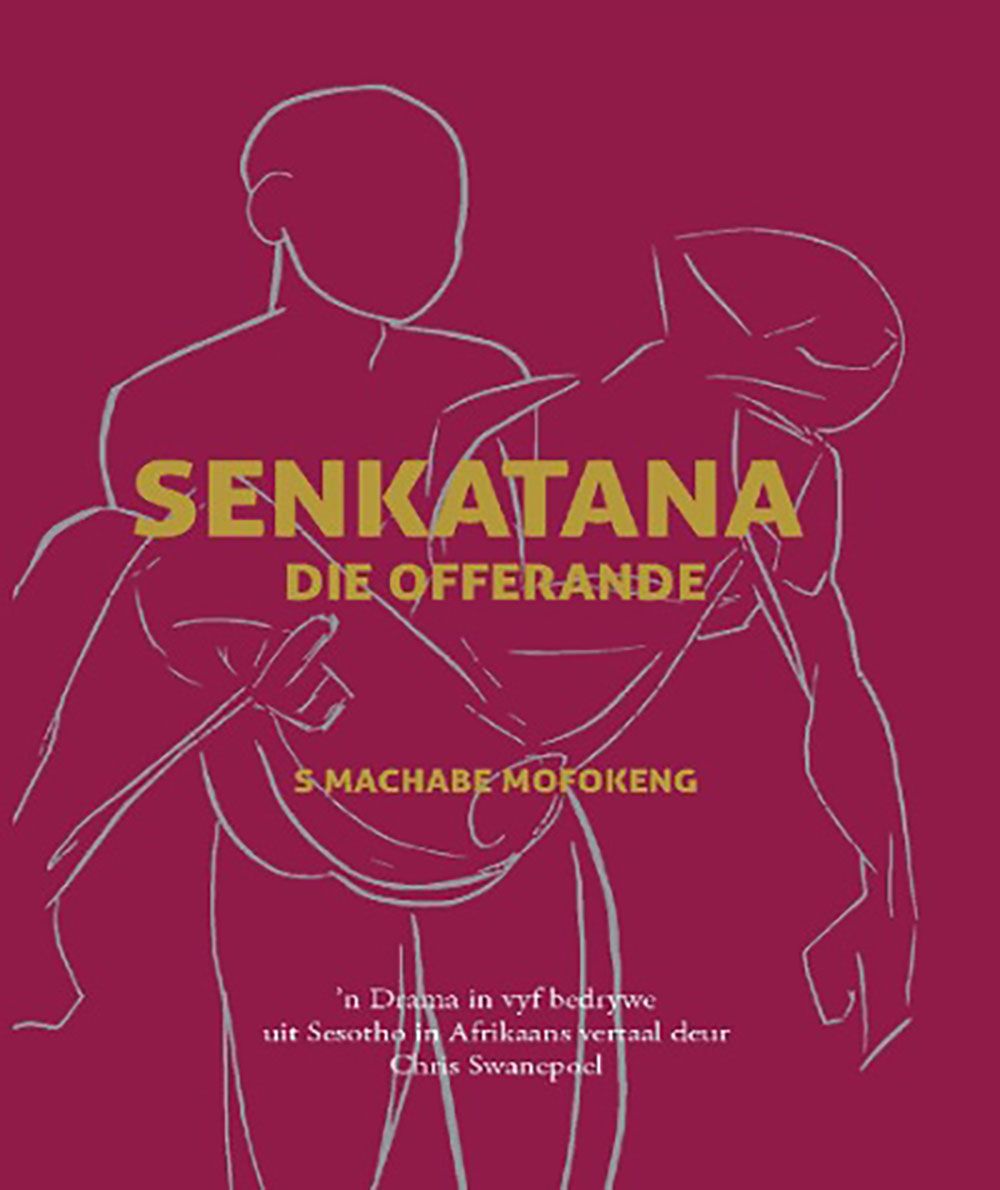
When Mofokeng’s debut book, Senkatana was published in 1952 South African Sesotho Literature was still nigh uninhabited territory as compared to Lesotho. Most authors from Lesotho were published by the Morija printing house and later by South African publishers.
The other Sesotho writers started emerging and I have in mind a handful writers such as; B.T.N Gugushe who published Naledi ea Meso in 1951; Segwe Sebabetsane who wrote, Makhokolotso Mokhomo emerged from Ficksburg with her only book, Sebabatso published in 1955 by the Afrikaans Pers Boekhandel. Lesotho had myriads of writers such as, KE Ntsane, Thomas Mofolo, B.M Khaketla with Mosali a nkhola (1951).
Mangoaela had already published the following books: Hara dibatana le dinyamatsane, 1912 published by Morija, Lithoko tsa Marena a Basotho, 1921, Morija; Tsoelopele ea Lesotho.
Ke leboha le mohlomphehi Ntate Z.D Mangoaela haholo. O badile mosebetsinyana ona pele o hatiswa, mme a nthusa haholo ka ho kenya matshwao ao nna ke neng ke sa a kenya le ka ho fetola lentswe mona le mane. Ana ho monate hakakang ho ba le ba ka o bontshang diphoso tseo wena o sa di elang hloko!
Mofokeng, preface of Senkatana.
I want to thank Mr Zakes D Mangoaela a great deal. He scrupulously read this work before it could be published and he has also helped me with the inclusion of apostrophes that I had omitted. It feels so good when you have people who point out mistakes that you did not notice.
Mofokeng, preface of Senkatana.
The intellectual precocity of this celebrated creative writer became clear in 1945 when he worked on BA (Hons) thesis that was never published, “Notes and annotations of the praise poems of certain chiefs and the structure of the praise poem in South Sotho”. In January 1949, he started working on the dissertation, “A Study of Folktales in Sesotho”, for which he was conferred with a M.A. Degree in 1951. Before then, around 1945 to be precise, his mentor, Professor Clement Martyn Doke (1893-1980) encouraged him to start writing Sesotho books and he wrote, Senkatana that was published seven years later.
Ke leboha ba nthusitseng mosebetsing ona. Prof C.M Doke ke mo leboha haholo hobane e le yena ya ileng a nkeletsa hore ke leke ho ngola kgale ka 1945. Mosebetsi ona ke o qadile ka yona nako eo. Ke thabile haholo ha e le mona bukana ena e hatiswa e le e nngwe ya tsa pokello e leng matsohong a hae.
I am grateful to everyone who assisted me. I specifically want to thank Professor C.M. Doke as he is the one who advised me to write, as far back as 1945. This work I began back then. I am thrilled that this book is one of my books collections in his possession.
The late Professor Johannes Malefetsane Lenake was quoted in Professor David Ambrose’s book, Language and Literature 126 Essays and Literary Criticism, describing Senkatana as “one of a few successful tragedies in Southern Sotho.”
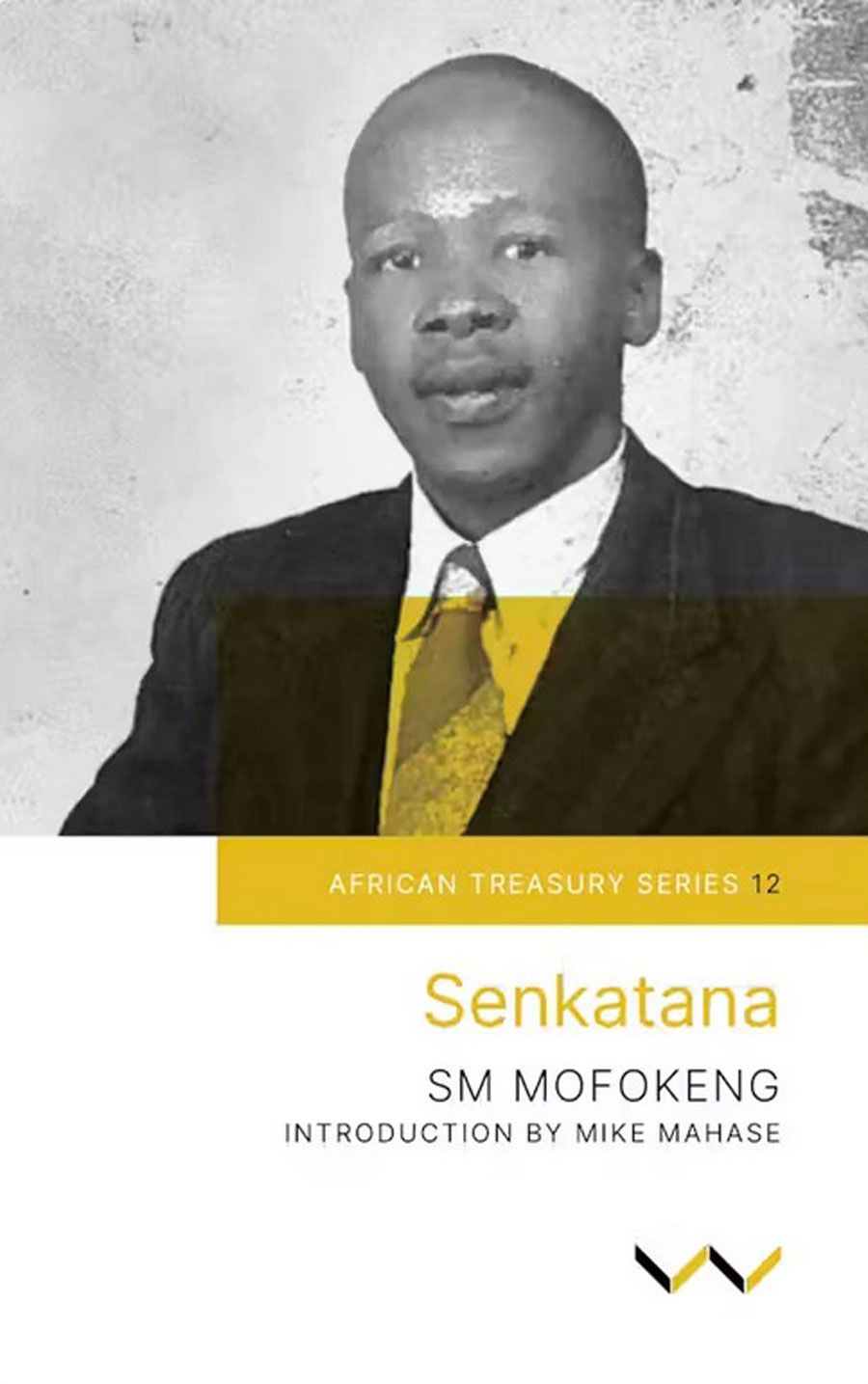
In 1954, Mofokeng was promoted to the position of Senior Language Assistant. He was only thirty-one years old when he completed the writing of his doctoral dissertation in 1955 called, “The Development of Leading Figures in Animal Tales in Africa” from the University of Witwatersrand on which he was supervised by Professor Doke. This made him the first Mosotho scholar in South Africa to receive a PhD in Sesotho from Wits University.
Together with his supervisor, Professor Doke, they compiled a Textbook of Southern Sotho Grammar published in 1957 which is a revision of Jacottet’s earlier work (1957) and Ambrose says ‘‘their conjunctive method of linking words with hyphens did not get general acceptance’’. This book is regarded as ‘the indispensable study of the morphology and syntax of the Sesotho language’. It was used for a long time as a school textbook in Lesotho.
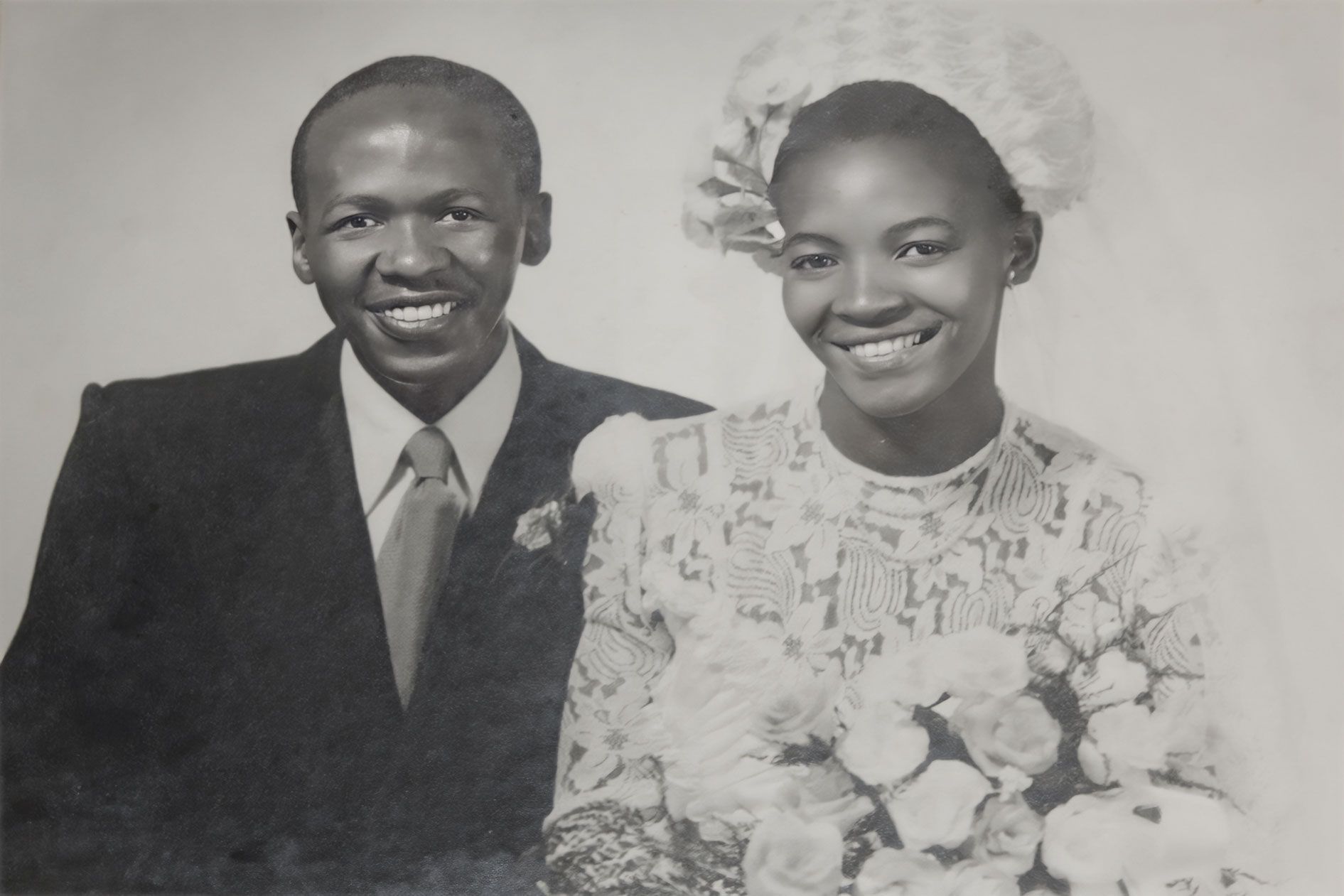
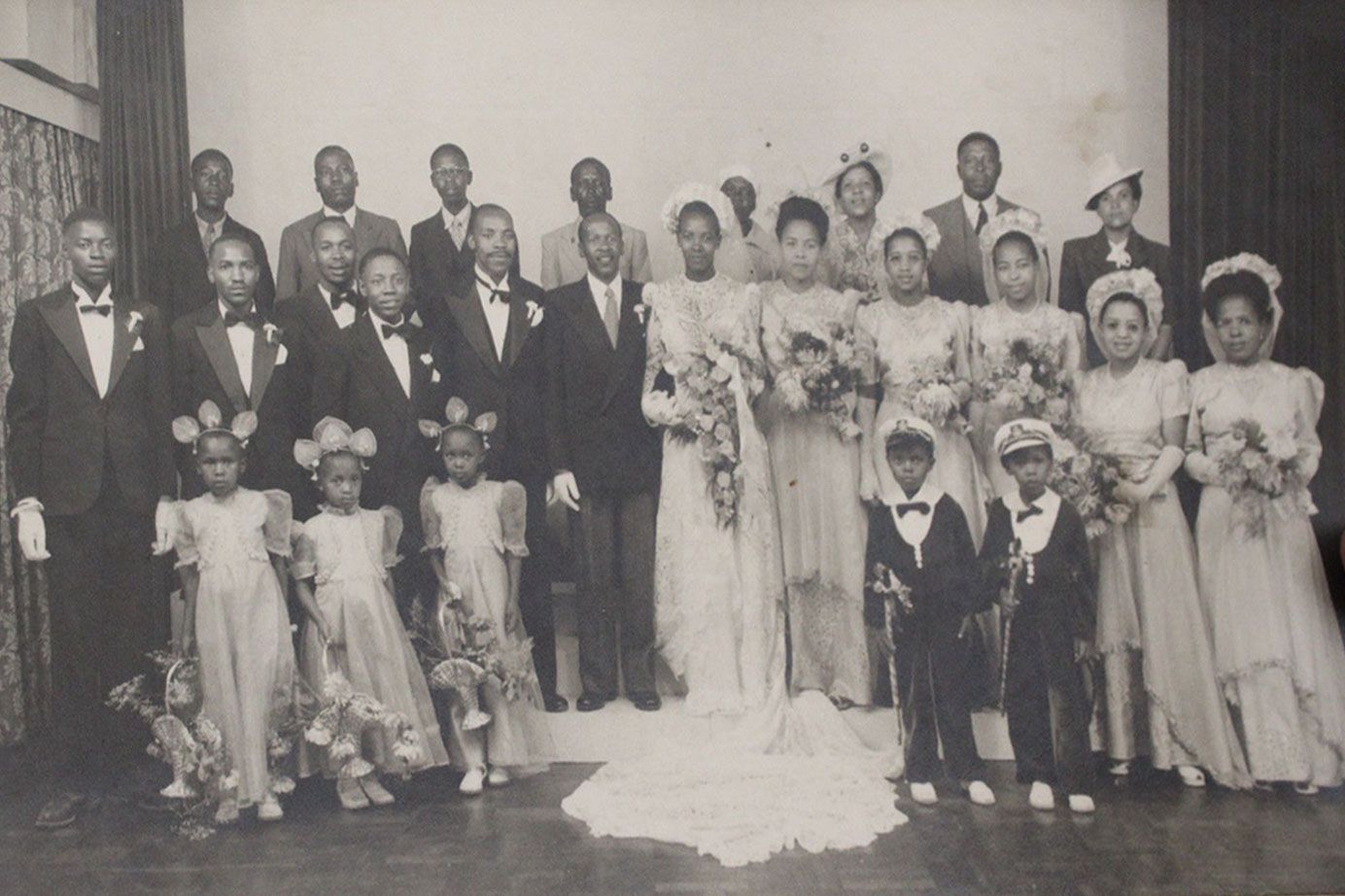
Mofokeng immortalised in sterling fashion
Shards of scintillant pedigree mark the work of early avant garde Sesotho wordsmith, Dr. Sophonia Machabe Mofokeng (1923-1957). In a sterling fashion, the Executive Dean of the Faculty of Humanities at University of Limpopo, also the roving mentor of Doctoral Programme of the National Institute for the Humanities and Social Sciences in Johannesburg, Professor Nhlanhla Maake immortalises the late Dr. Machabe Sophonia Mofokeng by translating into English his profound Sesotho book of essays, Pelong ya ka (In My Heart).
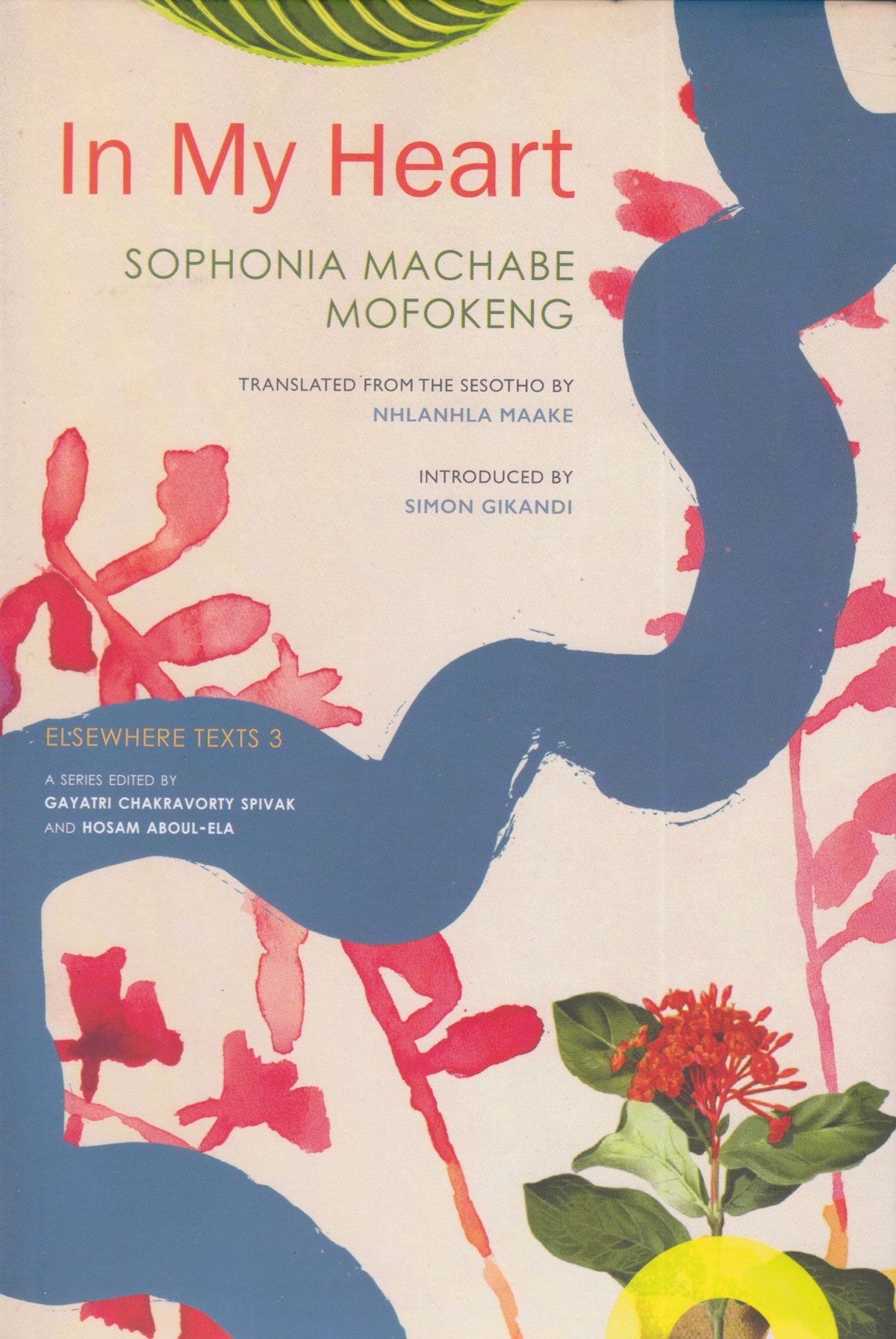
The title of the English version is the direct translation of the original title name, In My Heart, which is a 128-paged published by Seagull Books London Ltd. This version is hailed in some quarters as an introduction of ‘‘a significant African thinker’s work to the global readership’’. I hope this book will be enthusiastically reviewed as it is now universally available in a lingua franca.
Let me remind you that the stories in this book, Pelong ya ka (In my heart) and Leetong (On Pilgrimage) were written when Mofokeng was in hospital undergoing TB treatment and the former was published posthumously in 1962.
The book cover design (In My Heart) shows the name of the Sesotho author written in capital letters and mentions that the book is: “translated from the Sesotho by Nhlanhla Maake and Introduced by Simon Gikandi. It also highlights the fact that the book is part of the Elsewhere Texts Series edited by Gayatri Chakravotry Spivak and Hosam Aboul-Ela.
I was thrilled when I saw the review by a young-distinguished scholar and writer from Despatch in Port Elizabeth, South Africa, Unathi Slasha focusing on Professor Maake’s English version on a review titled, ‘‘TO WALK IS TO SEE”: looking inside the heart – Sophonia Mofokeng’s Pelong ya ka”.
The must-read review appeared in a new fast-growing non-discriminatory and provocative e-journal from South Africa, herri #8, and Slasha indicated that the stories, ‘‘circle the quotidian whilst using the heart as a point of departure, of reference, and as metaphor for talking about events, encounters and experience’’. He also highlighted the fact that all the essays are interconnected because they all reference the heart and its role in social relations.
The introduction to Prof Maake’s translation version is penned by one of the heavyweights of African literature, the revered Professor Simon Gikandi from Kenya. The book launch of this much talked about English version took place on the 30th of December, 2021. Prof Maake could not travel abroad to attend the official launch due to travel visa issues.
‘‘In My Heart, belongs to this tradition of colonial renegades. Writing in the 1950s during the cataclysmic events of apartheid that were transforming life in South Africa, Mofokeng offers a series of meditations that provide his readers with a Sesotho worldview outside the categories authorised by colonial knowledge,’’ posits the review of the English version.
Bloemfontein-based translator, Mike Mahase has proofread the second edition of Sesotho version of Pelong ya ka (In my heart), published by Wits University Press in 2021. He also wrote its introduction in both Sesotho and English. Pelong ya ka (In my heart), is Dr Mofokeng’s book consisting of a volume of Sesotho essays and sketches and as indicated earlier, was published posthumously. Worth mentioning is that it is the second of his only three published books to be translated into English, with the first being a tragic stage play adapted from Sesotho folk narrative, Senkatana published in 1952 in the African (then Bantu) Treasury Series, an imprint of Witwatersrand University Press.
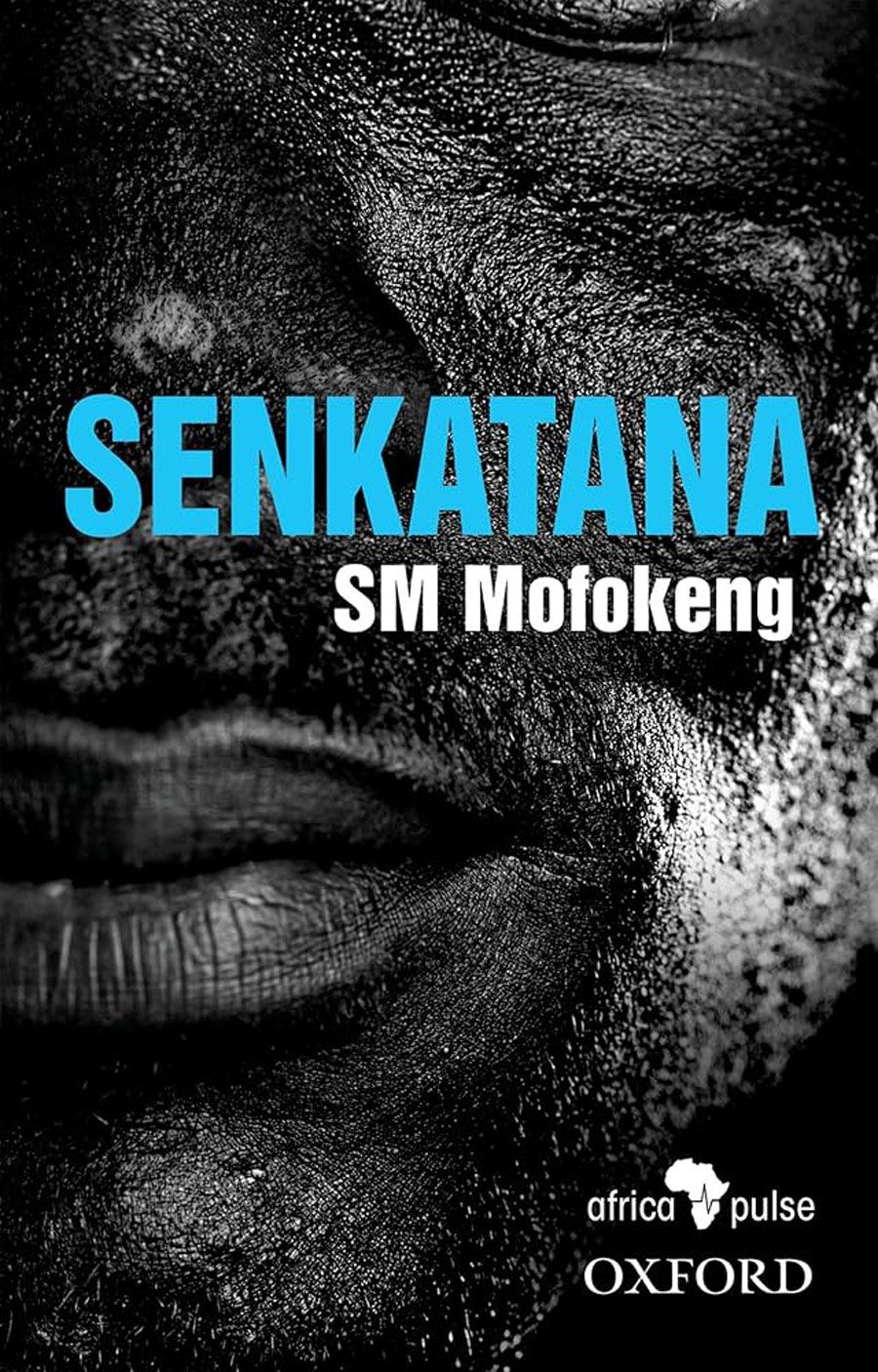
Senkatana was translated by the late multi-lingual Professor, Malefetsane Johannes Lenake (1929-2020) and published in 2020 by the Oxford University Press as part of its African Pulse series. Professor Lenake, also translated Mosali a nkhola written in Sesotho from February to July 1951 by B.M Khaketla at the time when he was teaching at Charterston High School, Nigel. The English version is She is to blame.
Reverting to Senkatana Prof Lenake said, ‘‘Mofokeng’s stature as a public intellectual, demonstrated in a play that a fair whizzing with insights and ideas’’. The English version title carries the same name, Senkatana, which is taken from the principal character’s name. ‘‘Senkatana … was based on the legend of the swallowing monster referred to in the Sesotho version as Moshanyana Senkatana (the boy of Senkatana). He modelled it on a Sesotho legend, but he also incorporated elements borrowed from Greek tragedy, especially the use of the Seer and the Chorus,’’ explains Professor Nhlanhla Maake.
In this Basotho legend, a feared, infamous animal and man devouring monster called Kgodumodumo swallowed alive all the animal and people. Miraculously only Mmaditaolanewhowasthen ‘heavily pregnant’ escaped. She later gave birth to a healthy baby boy, Senkatana who grew up and braved to fight the monster with his father’s assegai. He freed all the people. The people were so excited after he saved them that they asked him to be their King. During his reign as king, Senkatana was unable to please his subjects and some conspired to unseat him. With the assistance of Bulane, the conspirators finally assassinated him.
It is worth emphasizing that this is a book of folklore not a historic book as is alleged in other quarters. The author has gone on record saying it is a folktale, ‘‘Ke ena tshomo ya rona’’, hewrote. – ‘‘Here is our folklore”
Some believe that this was an early veiled, yet poignant prophecy that blacks would finally be set free from the apartheid government. As Professor Maake said ‘‘it is a metaphor open for different interpretation’’.
Mofokeng’s former colleague at Madibane High School, Professor, Njabulo Ndebele was quoted by Professor Lenake as having said: ‘I thought at the time: Senkatana was a kind of parable of apartheid and post-apartheid South Africa? Kgodumodumo as Verwoerd, and Senkatana as Mandela? I think that a bit of a stretch.’’
This sentiment is also echoed by Professor Maake in his paper ‘‘In certain verbal interpretation of Mofokeng’s Senkatana, Kgodumodumo has even been seen as a metaphor for Apartheid, an overwhelming evil, which swallows a whole nation, and thus Senkatana takes up a messianic regalia of a liberator when he delivers the nation from its gastric hold.’’
Talking to Professor Lenake about his translation of the book, he said: ‘‘Working on the project was exciting and challenging at the same time. I just did not want the messages to be lost between the translations. Some critics have said that the translations read like the original work. That is encouraging.’’
Mofokeng went on record in the preface of Senkatana that this is an ancient myth which is found in different African cultures.
Ke yena tshomo ya rona. Ha se ya rona Basotho feela hobane e fumanwa ditjhabeng tse ngata tse akaretswang ka lebitso lena la Bantu. E teng puong tsa sePedi, seTswana, seXhosa, seZulu, seTsonga, seSubiya, seLamba, seNkundu, seIramba, seNdongo, seChaga, seShambala, seBondeli, seKongo, SeDuala, seGanda, le tse ding tse ngata. Ke tshomo ya rona bohle. Ke letlotlo leo Baholo-holo ba rona ba re sietseng lona. Ke letlotlo leo re lokelang ho le sebedisa. Ke lekile ho etsa jwalo mona.
Here is our folklore. It does not only belong to us Sothos because it is found in most “Bantu” cultures. It is found in the following languages: Pedi, Tswana, Xhosa, Zulu, Tsonga, Subiya, Lamba, Nkundu, Iramba, Ndongo, Chaga, Shambala, Bondeli, Kongo, Duala, Ganda, and so on and so forth. It belongs to all of us. It is a treasure that our forefathers left for us. It is a treasure that needs to be utilised. I have attempted to do so.
I have also gathered that the Basotho legends were first recorded by E Jacottet’s book, Litsomo tsa Basotho (Legends of Basotho) and was published in two parts (part 1 in 1909 and part 2 in 1911). The first South African edition of Senkatana was published using Lesotho orthography and the second publication came out in 1972 and was prepared for publication by a well-known Sesotho author, Isaac Make Moephuli, the author of Peo ena jetswe ke wena. Bultfontein-born scholar, Professor Christiaan Frederick Swanepoel (1942-) says Mofokeng did what is not common in literature – getting the hero killed:
Mofokeng shifted the specific ethnic focus of the Senkatana folk-tale to the universal issue of redemption through righteousness, through an aversion to force and violence. Despite the fact that adequate power was within the hero’s immediate reach, Mofokeng preferred to have him killed. The killing of the hero spotlights the inanity of the conquerors and the greatness of the hero. In this way, a deepening of theme ensues, as well as a universality that was not so obvious in the original tale.
The late former Head of African Studies at the University of Free State, Professor Mohlomi Mohlomi once presented a paper title, Time in Mofokeng’s Senkatana, during the ALASA regional conference that was held at University of Venda, Thohoyandou on 1-2 August 1996.
It is encouraging to see Sesotho books being translated into other languages such as English. Professor Lenake has also translated the late Makalo Bennett Khaketla’s Mosali a nkhola (1960) (What a calamity that woman has brought upon me) with the title, She is to blame published by Oxford University Press in Cape Town on 11 November, 2019 – a few months before his death. This same book has also been translated into Silozi by A.N Matjila, published in Windhoek in 1985.
Professor Maake is no stranger when it comes to translation as he has translated some of his books that were first written in Sesotho. ‘‘I shall not forget the day when he came to my room to tell me that the doctor told him that the doctor had found that he was suffering from T.B, and that he was going into Rietfontein Hospital,’’ said Mofokeng’s mentor.
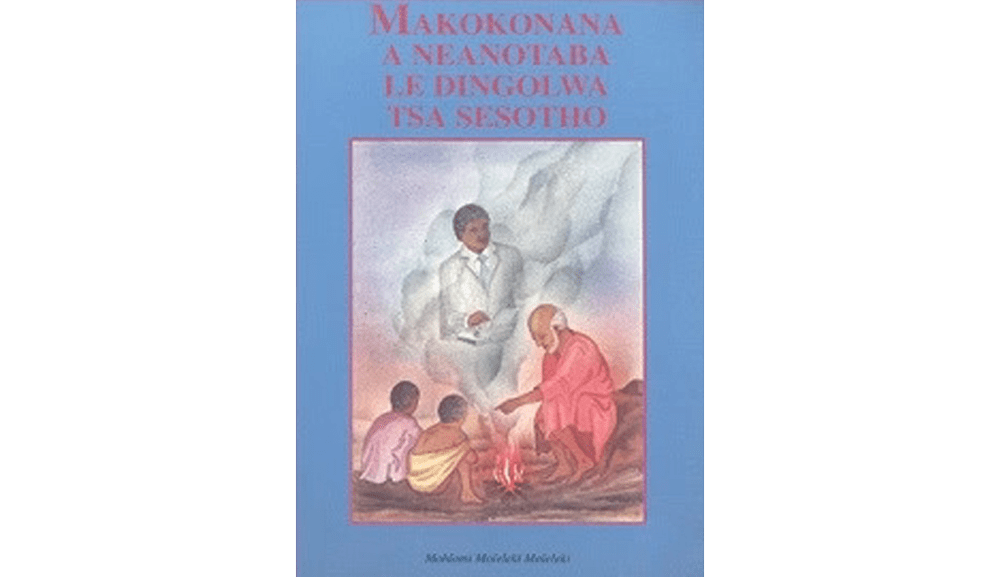
The late professor Moleleki Moleleki in his book, Makokonana a neanotaba le dingolwa tsa Sesotho examines and analysis the different kinds of genres and the writers. Moleleki claims that Sophonia Machabe Mofokeng is the only writer among the Basotho writers that can be regarded as a philosophical writer.
Dube. M.M.R. ‘The Autobiographical mode in the writing of Machabe Mofokeng’. University of Johannesburg Page 21-23 PhD thesis, University of Johannesburg. Accessed 30th December 2021, ujdigispace.
Maope. K.A. M.P. Mofokeng Memorial Lectures. 2002-2011 preface page xi-xiii
Ngcangca, J,M. Mabalankwe ka bangodi ba Sesotho. Shutter & Shooter (Pty) Ltd (1989) Page
A study of folktales in Sotho (Unpublished MA in Bantu Languages thesis, University of the Wits
Doke, Clement Martyn.n.d. Obituary Notes of SM Mofokeng. Accessed 30th December 2021, NAM.
Doke, Clement Martyn and Mofokeng, Sophonia Machabe Mofokeng. 1967. Textbook of Southern Sotho Grammar. Johannesburg: Longman.
Maake, N (2021) In my Heart, London: Seagull Books ed. Gayatri Chakravorty Spika and Hosam Aboul-Ela
Mofokeng, S.M. 1952. Senkatana. Johannesburg: Witwatersrand University Press.
Mofokeng, S.M. 1954. Leetong. Johannesburg: Educum Publishers.
Mofokeng, S.M. 1962. Pelong ya ka. Johannesburg: Witwatersrand University Press.
Ambrose, D. Language & Literature 128 Lesotho Literature in Other Languages page 81
Ambrose, D. 2006 Lesotho Annotated Bibliography Section 34 Folklore page 5 and 6.
The Holy bible, New King James Version, First Edition 2010 published in Africa by Struik Christian Bibles
| 1. | ↑ | A stone-throw away from this esteemed school is an encircled bronze mural and a wall monument with a collage of pictures constructed by the internationally revered poet, scholar and sculptor, Professor Pitika Ntuli. The monument was erected in 2013 to honour three late former Madibane school learners, who later became staunched cadres of the African National Congress’ military wing uMkhondo weSizwe. The trio included Stephen Mafoko, Humbrey Makhumo and Wilfred Madela. The three had planned to bomb a petrol depot in Pretoria to avenge the hanging of another uMkhonto weSizwe cadre, Solomon Mahlangu, who was killed on 2 March 1978 by the Apartheid regime. On 25 January 1980, the police intercepted them enroute to their mission in Waltoo, Pretoria. In the ensuing attempt to escape, they held about 25 civilians hostage, according to Outlwile Tsipane’s article titled, Madibane High School, 80 years old that appeared in New Frame. |