KELWYN SOLE
Craft Wars and ’74 – did it happen? (unpublished paper)
Panel on ‘The Sound of Whatever Rhyming’ Given at Craft Wars: Comparative Perspectives on Poetry ‘74’ colloquium, University of Cape Town (Joint Conference with University of West Sydney and University of Birmingham), Cape Town, 20 September 2014.
If a craft war is, as Laurence Breiner says, ‘not an epoch but an episode’, then I see the Poetry ‘74 UCT Conference as evincing two main episodes: 1st, the performed event of Kirkwood confronting what he calls ‘Butlerism’, with Guy Butler in the audience; the 2nd a more complex confrontation, and not to be found in the volume of selected essays from the Conference put together by Wilhelm and Polley afterwards. It is, in fact, a silence.
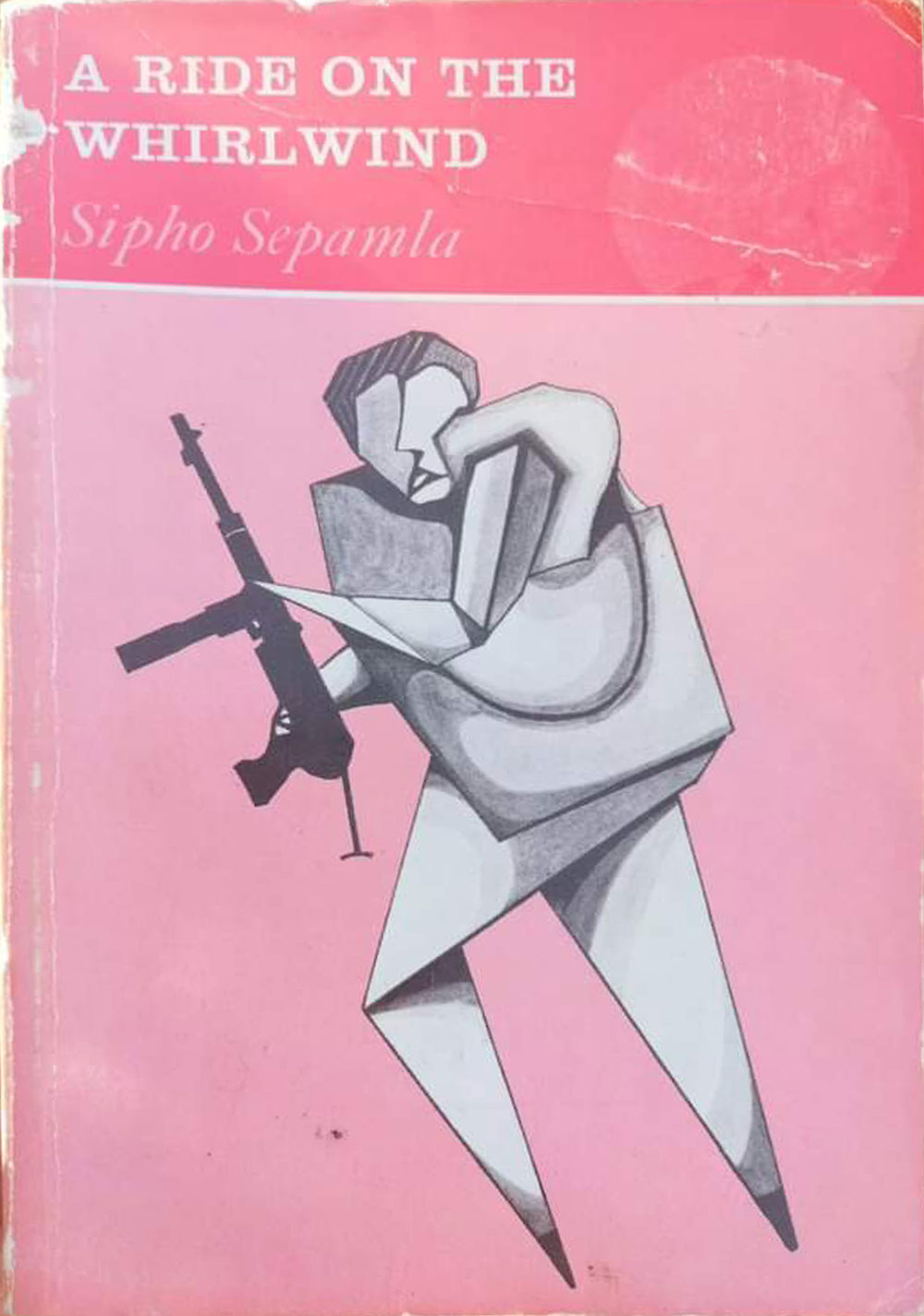
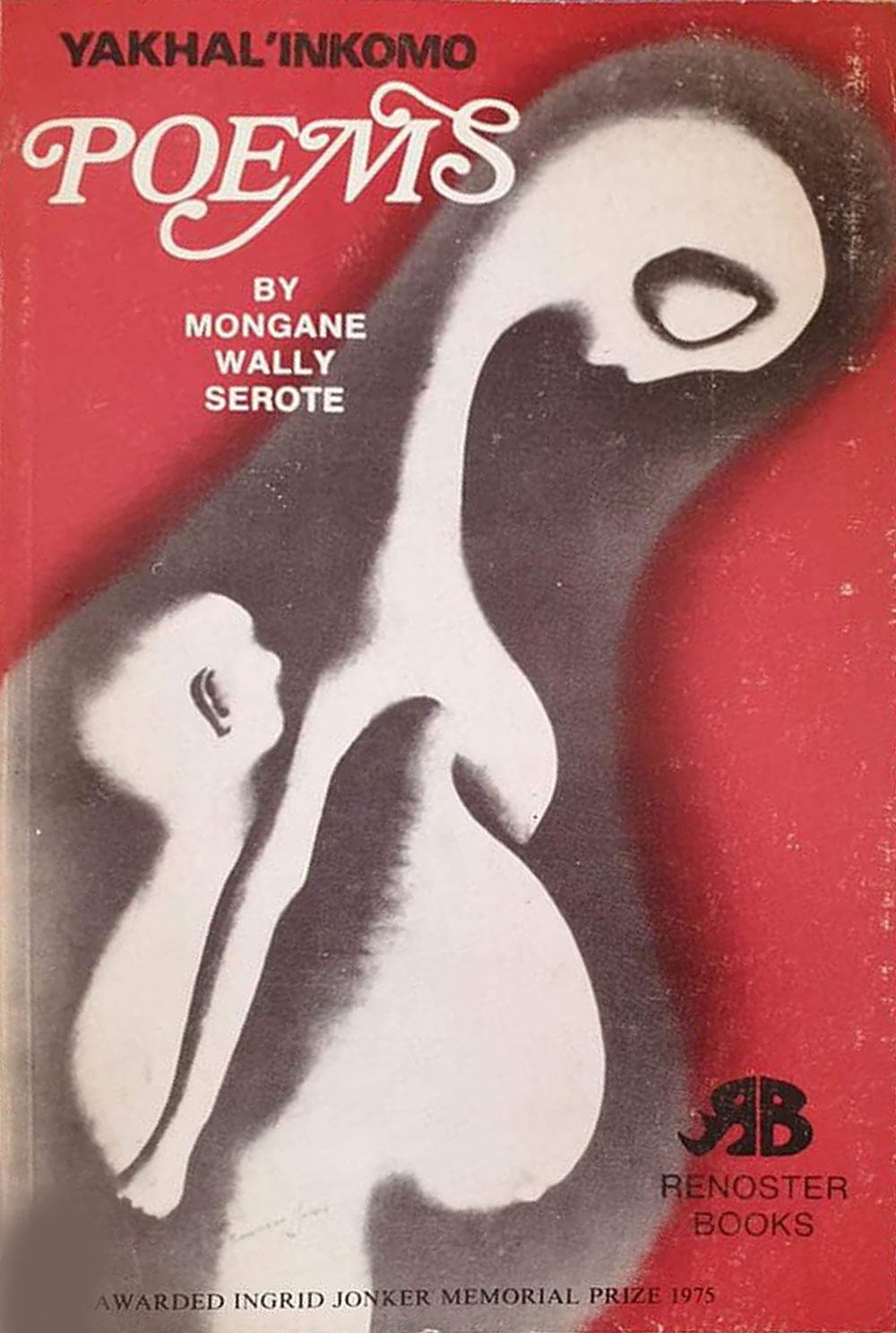
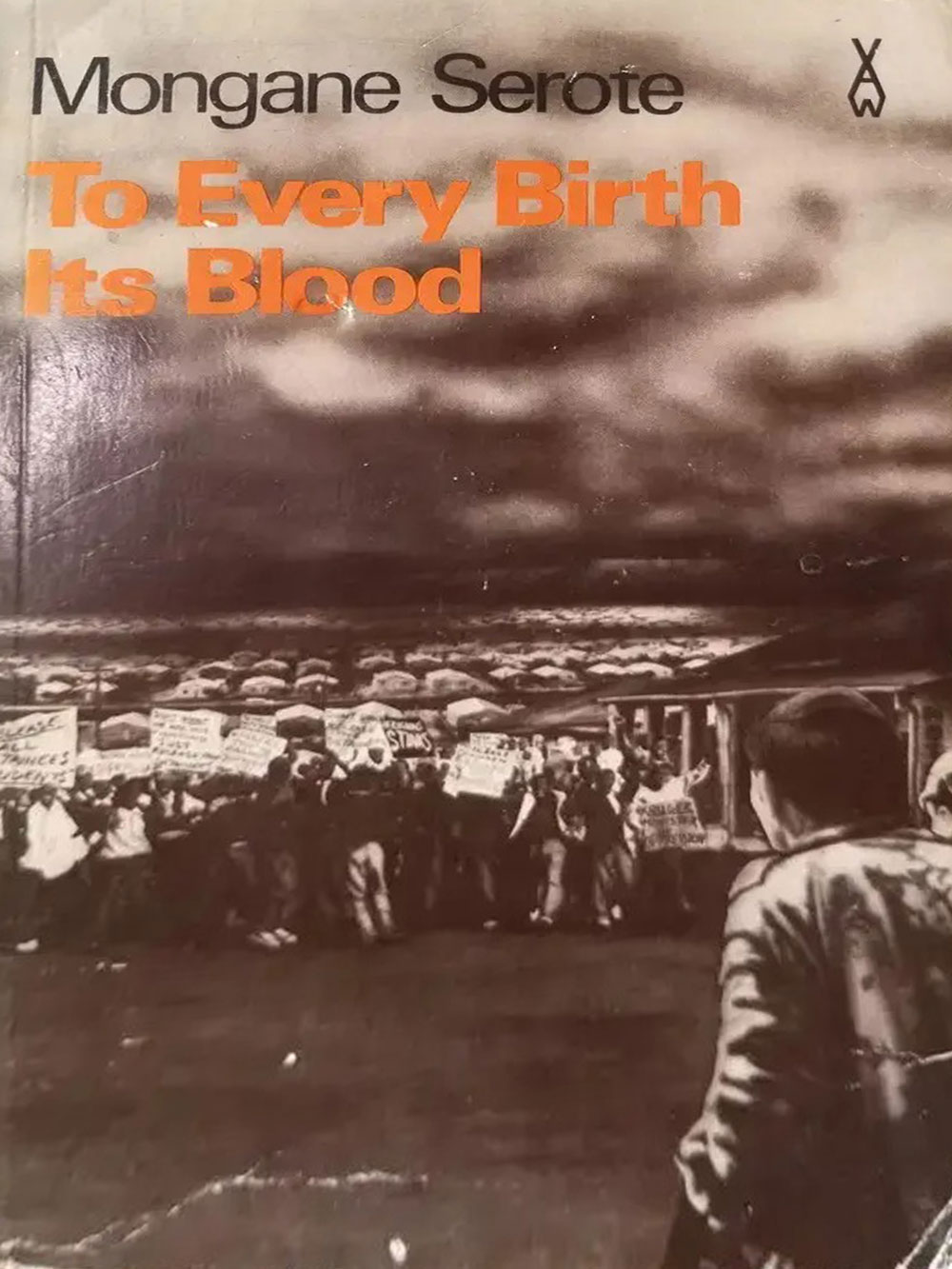
Black poets who were invited to the Conference – Sepamla, Serote, Mtshali, Gwala – effected a partial boycott (where they attended but would not speak), or in some cases a full boycott, of the Conference, as a result of the death by parcel bomb of Black Consciousness leader Okgopotse Tiro in Botswana.[1]An account of his emotional reaction to the death, and to the Conference, can be found in Serote pp.111 – 112. In South African critical reception of literature, there are a number of crucial problems that require confrontation, if we are to adopt and use the term ‘craft wars’ to refer to a formulation of a discrete performative episode.
My experience is that there has been, over and over again, continuing insistent struggles between versions of ideology, imagination and future projection of the country, which renders any aesthetic or literary ‘settlement’ susceptible to counter-claims and proposals. So if we are thinking of ‘craft wars’, it is not completely hyperbolic to say that these have happened continually and insistently for the last while; even if they are only discerned or performed episodically, very rarely.
However, this is not all. There is an issue that pertains to a great deal of literary criticism in the decades since the rise of Black Consciousness, of which Kirkwood’s 1974 intervention regarding ‘Butlerism’ can serve as an example. In South African academic and popular discourse there is a tendency to conveniently forget previous debates and positions, or write them out of history: in other words, a top-down notion of debate. What happens too often is that a respected public figure gives a line, and everyone follows that. So, in more recent South Africa literary history ideas about literary technique and value have shifted more obviously in terms of canonical literary or literary critical figures (Ndebele, Sachs, Coetzee and Gordimer come to mind) who act as synecdoches for wider orientations or conceptualisations.
Furthermore, while this gathering is predicated on the continuing pertinence of Kirkwood’s intervention, it is glaringly obvious that in the last decade or so it has been the mission of many SA academics to debunk this entirely, in terms which seek to render his polemical critique of white English-speakers self-perception and -consciousness redundant or ‘unfair’. This is done in terms that downgrade its pivotal importance (it gets two descriptive lines in The Cambridge History of South African Literature); or which merely restate unchanged, as positive, the particular version of ‘humanism’ that Butler is said to evince and that Kirkwood has criticised (Klopper); or which lament the ‘Manichean terms’ and ‘abstract categories’ in which his dismissal of ‘Butlerism’ is couched (Wright, and Watson), or which warn, more sweepingly, that ‘Butlerism’, as a coinage “has had a deleterious effect … on critical approaches to the history of literary studies in South Africa and, therefore, on the current formation of the discipline” (Thurman ). Even more sympathetic responses to Kirkwood, such as Attwell’s, read it mainly in terms of a clash of ‘self-definition’ and ‘culture’, avoiding the issue of ‘craft’ altogether.[2]See Attwell p.p. 139 – 40; Klopper p. 92; Wright p. 6; Watson P. 20; Thurman p. 48
This rendering redundant of socio-political and therefore also aesthetic ideas is interlinked with wider ideological struggles which these critics (given their literary-cum-ideological predilections) also wish to render redundant. Given recent events in South African politics, this deliberate amnesia two decades after liberation serves as a reminder – in my opinion – that literature has not so much absolved us from ‘history’, as made us anxious to forget it. Yet like Freud’s repressed, it strikes back at us in unacknowledged ways.
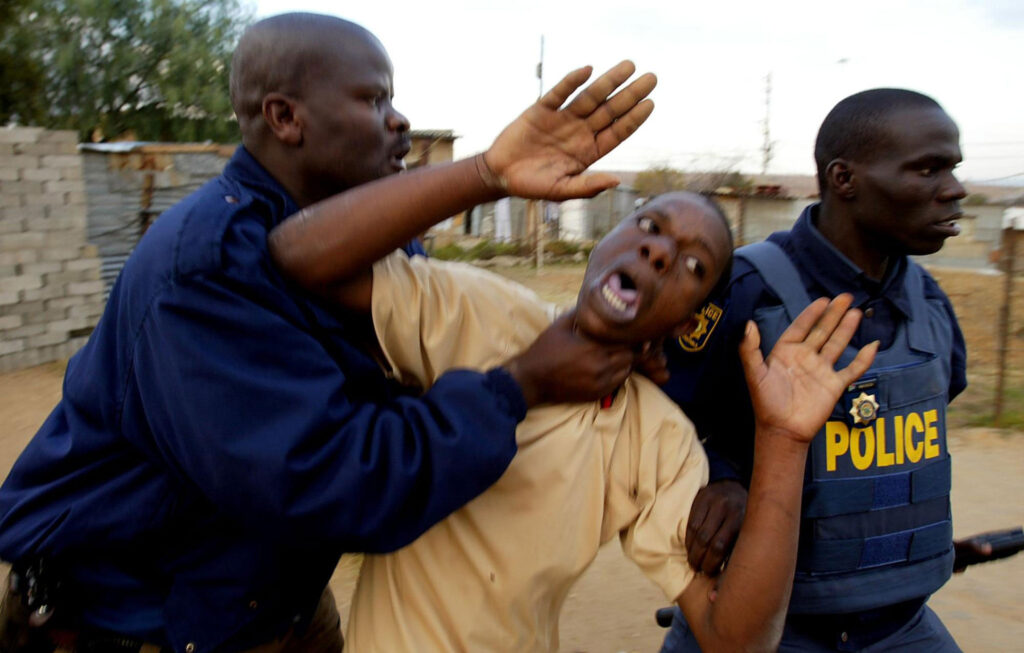
To take this trope further: the desired resolution of ideas and politics of the white South African liberal literary critic is in tatters; they are at present acting like neurotics who are not prepared to risk remembering and unveiling unpleasant realities because, although they thought in the heady days after liberation that these were past, it is now clear that the issues are not. For instance, the burgeoning and renewal of interest in Black Consciousness literature among young black intellectuals at present is happening because the much-vaunted ‘rainbow nation’ is, both materially and conceptually, in considerable trouble: in other words, the reality of our present precarious political situation severely questions the certainties with which these literary ideologues dismissed social and political issues – especially around race and class – and instead are anew exposing the fragility of their own world view.
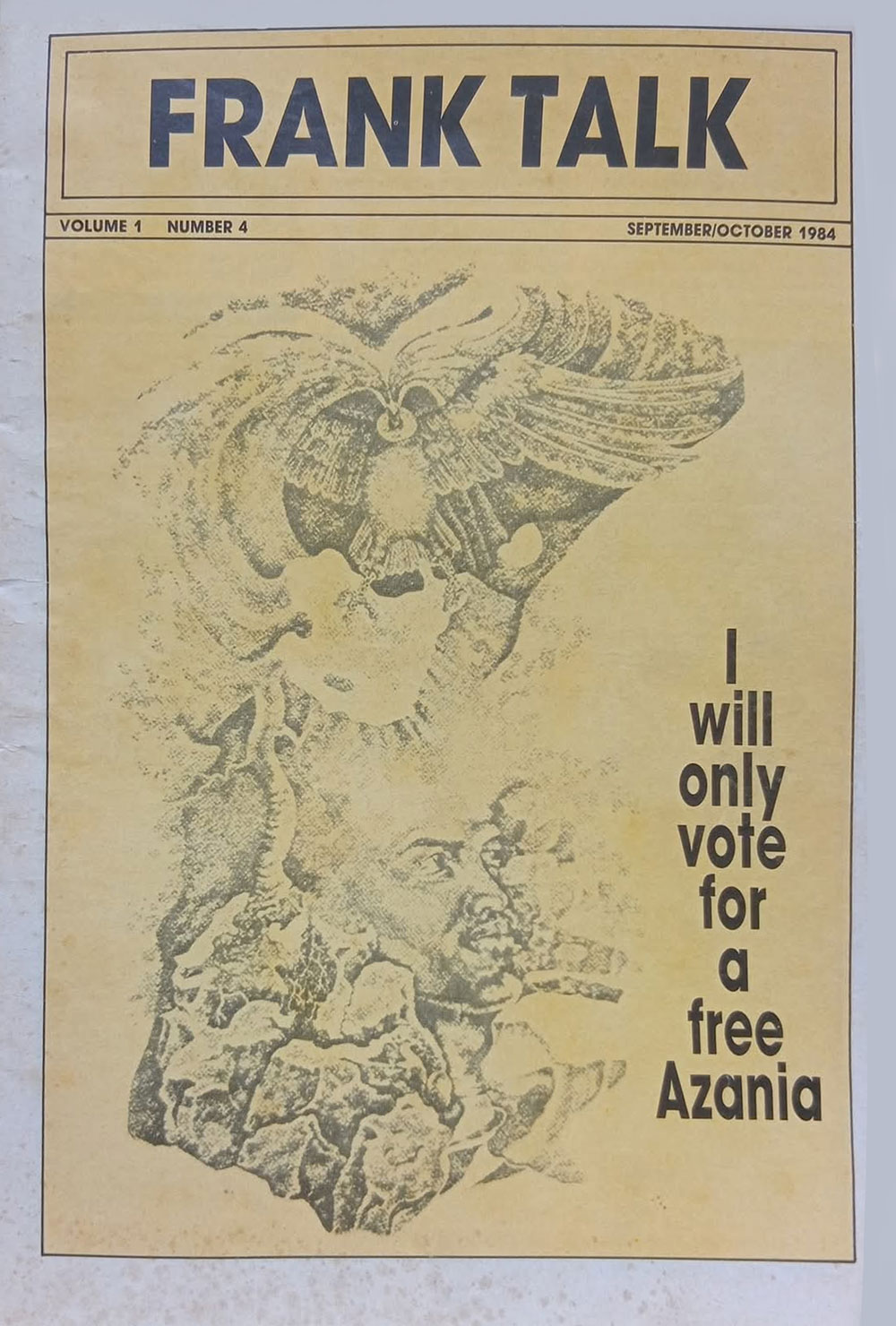
For me, the 1974 scenario was not really one that can be easily packaged in terms of ‘craft wars’ only, but requires a number of other questions to be asked. In a national situation where, courtesy of apartheid laws, black people are effectively declared non-citizens, and in a period where the resurgence of black poems through the engine of the Black Consciousness movement had too often been met by simple rejection in some of the prominent liberal journals of the day as ‘bad poetry’ – Contrast is a case to point – are we looking simply at a question of aesthetic difference, or battles over literary technique?
This leads to a further question in my mind: do the participants in what are retrospectively called ‘craft wars’ have to be conscious of these differences in technique? Or is it enough, to make a smaller claim, that critics eventually perceive the formal issues that exist? Over and over again, both in the 1970s and in the 1990s, I have come across white literary critics who fail to perceive and credit philosophical, conceptual and aesthetic intent to the previously colonized – most recently, for example, one critics description of the work of Motsapi, Rampolokeng and others as being mere ‘throwaway lines’.[3] Chapman And even when thought and purpose is conceded to such writers and critics, is there not a danger of literary academics, steeped in questions of form, ascribing their own motives and perspectives to the literary output of the previously colonized?
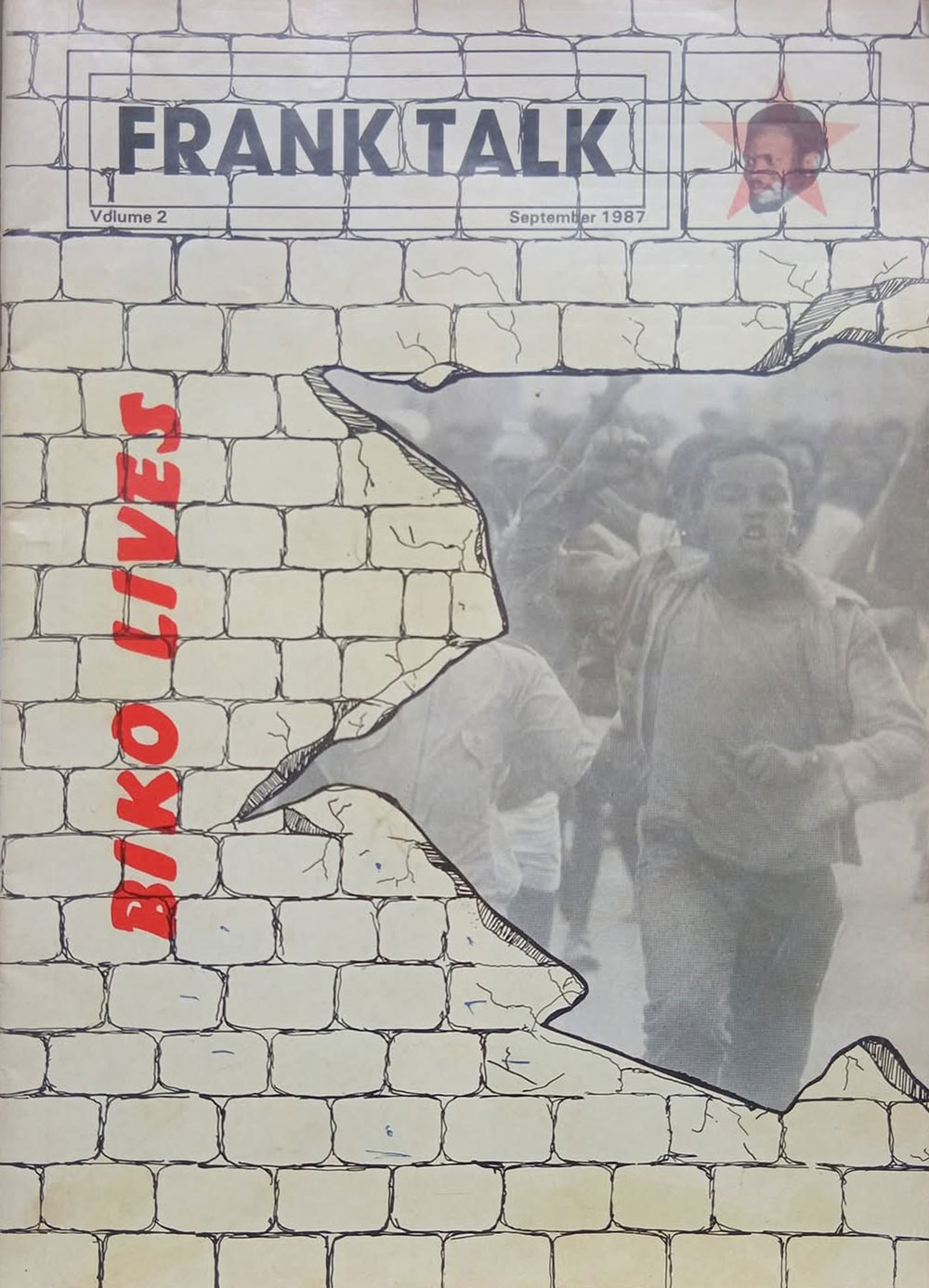
To give one example where I worry I have never quite understood the full implications of a statement that seems to be about form: Mothobi Mutloatse’s famous quote in his introduction to the BC anthology Forced Landing in 1980, when he talks about the need to
We will have to donder conventional literature: old-fashioned critic and reader alike. We are going to pee, spit and shit on literary convention before we are through; we are going to kick and pull and push and drag literature into the form we prefer. We are going to experiment and probe and not give a damn what the critics have to say. Because we are in search of our true selves – undergoing self-discovery as a people.[4] Mutloatse p. 5.
This sounds like it fits a ’craft wars’ paradigm, as does his invention of a new generically mixed form he calls ‘proemdra’. But what do we do with the end of the statement I have just quoted, when he goes on to say that such formal experimentation is necessary “Because we are in search of our true selves – undergoing self-discovery as a people”? Reading this, I am not sure whether we’re simply talking about form and technique here, but about something a great deal larger, and more culturally sweeping and conceptualised. Whatever it is, it assumes a homogeneity which is, to my mind, false. Moreover, there are very few examples of ‘proemdra’ for us to evaluate.[5]Zander seeks to solve this problem through the blurring of ‘craft’ with a (homogeneous) understanding of racial expression, so that the specific form of ‘proemdra’ becomes synonymous with all black aesthetic views and forms of the period. The lesson though is that we talk about differences between various forms of literary technique and aesthetic appreciation in a way which sees these as synonymous with wider rubrics, whether of race, class or gender. Past a point, these end in mistaken generalisations.
On the face of it, then, what does one make of a genre which Rustum Kozain says, I think quite rightly, is ‘maligned and ignored yet ubiquitous’? I think of poet and editor Robert Berold’s remark a few years ago: “in South Africa more people write poetry than read it’.
However, nowadays it seems that more people perform and listen to poetry than write or read it – and even they are a tiny segment of the population.
The prevailing question in Kozain’s paper is about the place of academia in the wider context of South African poetry. It’s clear, first of all, that the politics of poetic production and reception have changed drastically after liberation. Speaking personally – and this is by no means unique – I started publishing in a country where, because of apartheid, socially- and politically-tendentious work was given precedence. Because there were alternative publishers available which were funded mainly from overseas and which were interested in publishing such work (such as Ravan, Ad Donker, David Philip), it was easier to publish individual collections, not to mention anthologies.
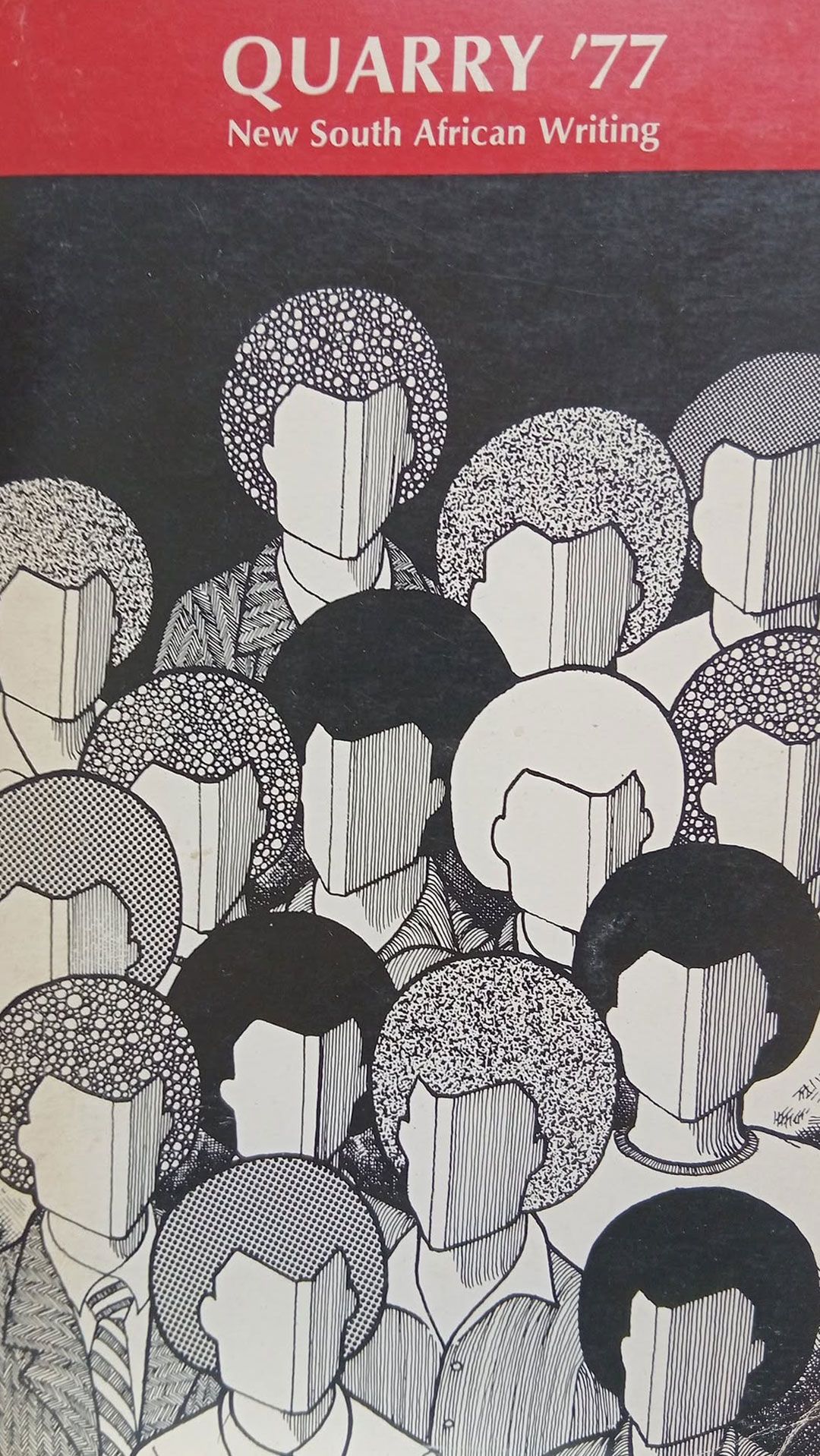
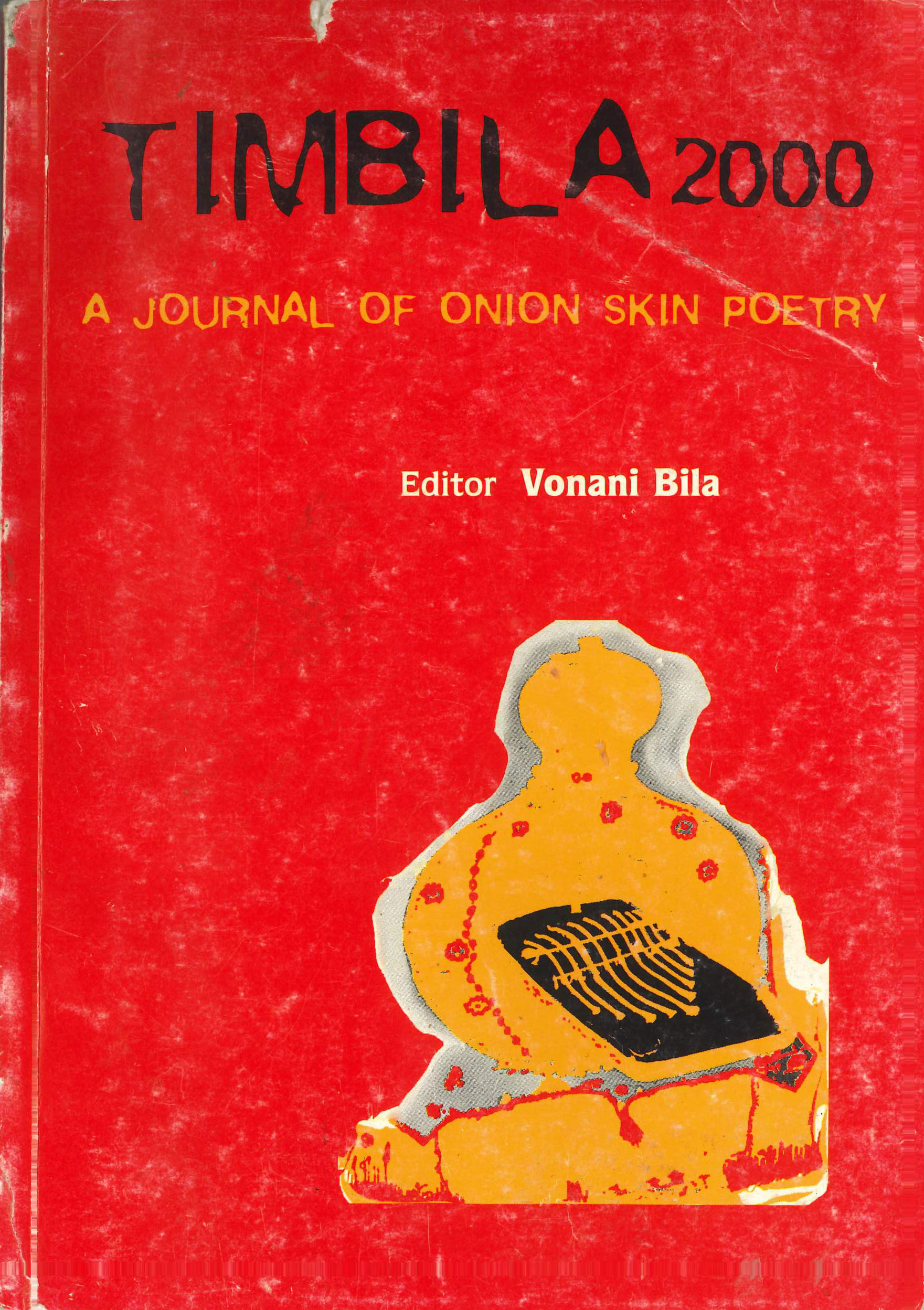
While a number of anthologies and individual collections – especially re figures with high political profiles – were published after liberation, especially in the 1990s, by the millennium you could see this drying up, in the face of mainstream publishers growing demand for commercially viable literature. Poetry publishing was regarded, ipso facto, as commercial suicide, unless books produced could be placed in the setbook market – and given the marginal state of poetry teaching in our schools, this was unlikely. As a result poetry on the page has been kept alive only by a new generation of independent publishers of poetry (Timbila, Dyehard, Deep South, Modjaji, Botsotso), and has flourished more on websites such as herri, and in spoken word fora. In this, of course, we were only following a trend that was already familiar to poets elsewhere in the world.
Moreover, not only are SA publishers now focused primarily on narrative, in both in fictional and non-fictional forms – as Jarad Zimbler points out – but there is an irksome belief that has settled and is most apparent in the public relations wing of the publishing industry, i.e. the proliferation of book fairs around our country. This is a belief that serious poetry is lacking in ‘entertainment’ value, and is too difficult. Indeed, my own view is that even though there are signs that there’s some more interest recently, poetry is very much seen as the pimply younger cousin of SA literature – a mainly performative space for fun and self-expression, a means and process for healing, a place for the self-exploration of identity for the young; a liminal genre in which poets can jostle for the privilege of representing ‘South Africa’ overseas: all in all, a market booth where poets can count themselves lucky if they are given the opportunity to sell themselves at all.
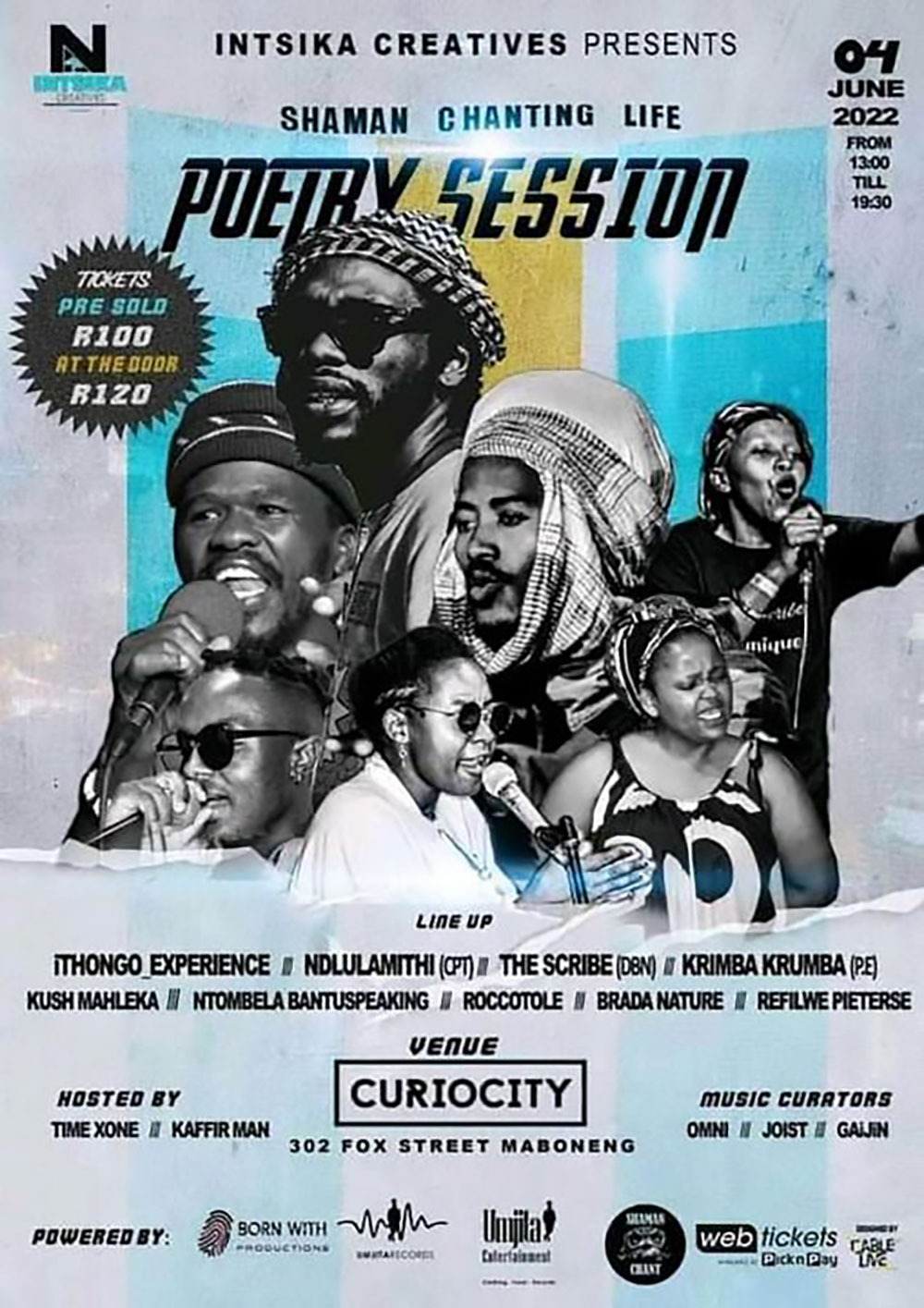
In such a framework, in retrospect I am amazed at the degree to which the academy has ceded the issues of value and worth to mainstream publishers, and the book market and its various purveyors, online and otherwise, more generally. This has made worse the problem that the SA academy has, I think, been lagging behind in its approaches to the roles, uses and forms of poetry for some time (ever since the BC explosion of the 1970s, perhaps). There is no way in which formal categories of criticism have evolved even to deal with our poetry of the last half a century. This makes me as wary as you, about what may result in academics seeing their natural role as ‘literary tastemakers’ again. We have not exactly shone in the past vis-a-vis our scrutiny of poetry, generally speaking. As an example: despite the fact that there are strong precedents in South African poetry in English of powerful expressions of epic, satire and so on, the most used and valued genre, formally speaking, has been the expressive lyric, quite often in its first person form. While in my early days as a practising poet this was a form mainly in use among white literati, it seems to have now gained many adherents in a spoken word variant, with inflections of race and gender.
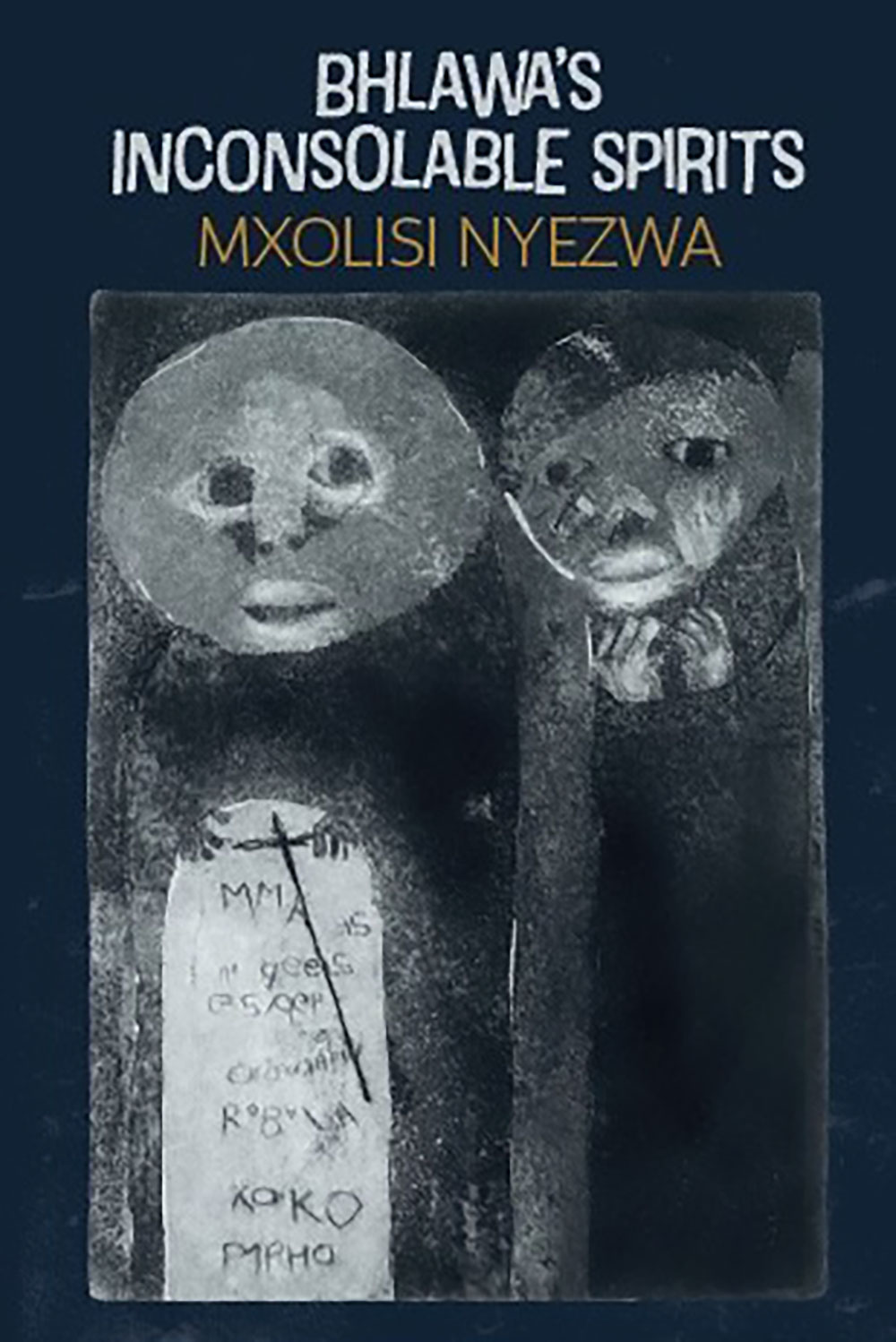
Any ideological or formal challenges to such preferences and models have been slow in coming. Moreover, the responses of liberal academics (not to mention those who are more conservative) to such challenges have largely been defensive, one or two exceptions notwithstanding. Indeed, right from the challenge posed by the emergent B.C. literature in the 1970s, the response has been either tardy and grudging acceptance, or outright rejection. Even though it must be said that there are early signs that such a facade may be cracking – for instance, in the manner in which the more exploratory formal experiments of poets like Nyezwa, Metelerkamp and Moolman are now starting to be received – there’s still too little willingness to grapple with new poetry on its own terms.
In South Africa there is a danger of critics evaluating work without a sufficient notion of our country’s various and differing perceptions, forms of reading/listening, and consciousness.
Too rarely is there an attempt at description of what in the poetry is less familiar to the critic, done in accordance with the work’s own formal, thematic, and ideological terms, or in terms of its own biographical, structural and aesthetic particularities and commonalities. Before one even gets to the specifically literary, a number of other determinants need to be noticed and absorbed to be mobilized, if necessary, during one’s judgment. Race is only the most obvious of these terms: which include gender, class, region, and a number of others. Any wider aesthetic and literary evaluations should flow out of these concerns but, as independent but overdetermined questions, also add to them; they are the precondition for literary judgment, rather than a substitute for them.
This should make it clear that I am not advocating a mindless relativism here. What I am saying is that issues relating to value in South African literature cannot be addressed with any confidence through any other process. Indeed, our criticism’s inability to deal with such a problem on any degree of scale has, in my opinion, paradoxically been the cause of a public reaction of extreme relativism; where all individual poetic expression is seen as equally valid. This, the academy’s limited terms of judgment as critics have only made things worse, actually marring our investigations of a poem’s success or failure in artistic terms. We are therefore still in a situation where our ability to scan a wide range of forms and registers with any degree of even-handedness is crippled.
The academy needs to look more closely at the history of poetries in SA and, as part of this, the degree to which English-language poetries vector with other traditions of poetry in SA, and the degree to which relatively independent strands developed and either braided or frayed apart. This task is made more compelling and more complex due to the fact that individual South African poets are now clearly using a burgeoning medley of influences in their poetry. In beginning to come to terms with these phenomena, it seems to me that more general social and economic theories of global flows may prove analogically useful. Modernity has come to fruition in South Africa in partial, unevenly developed ways.
Formally, it can be said that metropolitan modernisms and post-modernisms have been only partially and intermittently absorbed, and are being amalgamated with local indigenous forms in ways which are hard to perceive easily or clearly.
And there’s the growing connections poets of the page or stage are making with poetic practices elsewhere in the global South. Increasingly, poets are forging bonds of formal influence and suggestion outside of the ambit of the West, or its canons. So, in response to the productive maelstrom of the current poetry scene, the academy can, I hope, now reinvigorate itself and, therefore, poetry criticism in response to the milieu in which we now live; both broadening our knowledge and spreading our expertise in more open conversations and investigations.
Interest in poetry after liberation was not a priority of the academy that concerned itself with SA literature, neither here nor overseas. Nor has the ongoing professionalisation of the academy helped in the forging of links with the heartbeat of poetry outside of the university. A bad situation has worsened. For in the 1970s and 1980s, academics were certainly not seen as the only, or even, adequate ‘tastemakers’ and commentators on what was transpiring in the social world: ‘intellectual’ was a term that flourished in its Gramscian sense during this time in South Africa. Consequently quite a lot of the literary debates and issues that emerged in the two decades before liberation have never been adequately captured and archived, precisely because these happened in ephemeral situations and in documents that academics do not perceive as the most important (the role of The Voice newspaper is only one example of this, and then are also a number of exchanges that have been lost – who remembers the debate over magical realism begun by Farouk Asvat inThe Sowetan in the early 1980s?[6] See Asvat’s weekly ‘Creative Arts’ column in Sowetan, May and June 1987. In particular, academic interest, as would have been evinced by interviews conducted with crucial figures who subsequently vanished from public purview – such as Lefifi Tladi, Molefe Pheto, Ingoapele Madingoane, Mafika Gwala and others – has been shamefully scant, and marred a fuller understanding of the period
There is furthermore another side to this. Njabulo Ndebele has commented on the anti-intellectualism which did exist at the time, even among some writers.[7]See Ndebele’s remark If academics had been seen as more receptive to a movement which was located outside of its political and social comfort zones, this would have countered the perception among black writers of the period that the white universities and liberal literary journals were an ‘ivory tower’ to be ignored and dismissed.
Hopefully, though, I think the academy may be now waking up to a new interest and responsibility in this regard. This responsibility seems to me to have several threads implicit, which I hope will increase:
making academic terms of argument and debate about our poetry more contemporary and complex
engaging in debate with the wider, commercial world of publishers and book fairs in order to improve and alter the present assumptions about, and profile of, poetry;
engaging with schools and the school teaching of poetry.
engaging with poetic performances and debates which happen outside of the academy.
The last three threads seem to me to be the means whereby academics can avoid remaining ‘enclosed in our own conversation’, as Kozain puts it. However, if the third thread, in particular, does not happen, nothing else will follow: because we all know that the teaching of poetry in SA schools at the moment is parlous, at best.
This demonstrates two things, which seem – but are not – contradictory. Firstly, that academics do need to be aware of the wider social – and therefore literary – world outside of the academy. Secondly, that they can however act as a very important resource, not primarily by making immediate value judgments and acting as ‘tastemakers’ as by archiving the activity in their contemporary literary world not only for other scholars, but also for practitioners, in the future. The fact of the matter is that too many of these debates and events are now forgotten, so that debates happening outside as well as inside the academy have an attenuated understanding of our critical history. There is an institutional homogenizing memory that prevails at present, which distorts our understanding of the future by forgetting the past: we tend to reinvent the wheel again and again, in the matters which come to discussion.
One cannot forget that many of our poets have been through university: speaking only of UCT, a recent list would include a slew of poets; page poets such as Baderoon, Nxumalo and Kozain, and others at a distance from the page such as MC Caco and at least one member of Prophets of the City. Moreover, there are scholars, such as Adam Haupt, who studies and facilitates study of rap and hip-hop artists. Moreover, the burgeoning of creative writing courses in a handful of our universities more recently does, in an exciting manner, potentially connect the academy to practices of writing which will proliferate outside of the universities.
I am in the final analysis however more optimistic than you about the question of poetry, whether read or aural. Along with all the other functions assigned to it that I have mentioned above, my experience of teaching poetry has suggested that it is anything but an ‘arcane field’ if approached in a way that respects, and uses as a point of departure, the prior experiential and emotional fields of the student.
A poem is not an unassailable object with a fixed meaning that the student is either clever enough, or too stupid, to work out; it is a process, and a learnable skill, of reading-through.
But more critically, as the satirical columnist Sweetness B Rat once observed in the Cape alternative newspaper South in the early 1990s:
All those years of hunting for metaphors and similes; all those hours discussing whether the author intended his poem to sound like the ravings of a wife-beater and puppy-drowner … these are not wasted labours … [T]hey may not have equipped you to get a decent job, or to make interesting conversation in the staff canteen. But they trained you in a skill which has become the most important survival technique in the new South Africa: crap detection.[8]Sweetness B Rat: ‘Sweetness turns sour over meaning and metaphor’ South
Finally, in answer to your question about whether there is any political value in poetry, I think the politics of poetry may reside to at least some extent at the moment in the manner in which it can occasion complex levels of reading, listening and association, both rational and intuitive. One must never forget that the functions and directions of poetry are multiple. In terms of value, I do think there is a danger that I am noticing – in agreement with a point you imply – that poetry, especially performance poetry, is at the moment in South Africa being seen principally as useful for, and used primarily for, purposes of healing and identity: as a means of individual empowerment and ‘finding oneself’’. While this is not to be denied, it bids fair to be another narrowing of perspective on the potential of poetry, if it is regarded as the whole terrain.
For both the poet and reader, a poem is – to use Karen Press’ evocative phrase – a ‘research experiment’ where meanings are tried out, added to or deleted, as the poem moves along its linguistic, narrative and/or imagistic course. This can, perhaps, allow students to start seeing themselves as participants in the process of meaning of, not only the words in front of them, but the words that define and constitute their understanding of their lived world: which is a first step implying possible action in, and on, that world. It is a tool for critical thinking. A poem, at best, can become an act of thinking through, and of playing, with aesthetic, philosophical and imaginative fields and options; in which the nuances, ambiguities and contradictions of the student’s experience becomes clearer and, more importantly, acknowledged: thus suggesting the potential to create vectors of future individual and social creativity and apperception.
Poetry is sly: it is a water that seeps under and around all prejudices and assumptions put in its way, seeping from the bedrock into sight where you least expect it. That’s my continuing hope.
D Attwell; Rewriting Modernity (Scottsville : UKZN Press, 2005)
P Blair; ‘The liberal tradition in fiction’ in D Attwell / D Attridge (eds.) The Cambridge History of South African Literature (Cambridge: Cambridge University Press, 2012)
D Klopper; ‘Guy Butler’ in P Scanlon (ed) Dictionary of Literary Biography Vol. 225: South African Writers (Detroit: Bruccoli Clark Layman: 2000)
M Mutloatse; ‘ Introduction’ in Mutloatse (ed.) Forced Landing (Johannesburg: Ravan, 1980)
M Serote; ‘Feeling the waters’ in M Chapman Soweto Poetry (Johannesburg: McGraw-Hill, 1982)
C Thurman; ‘Beyond Butlerism: Revisiting Aspects of South African Literary History’ English Studies in Africa 51, 1 2009 pp. 47 – 64
S Watson; ‘Introduction’ in S Watson (ed) Guy Butler: Essays & Lectures 1949 – 1991 (Cape Town: David Philip, 1994)
L Wright; ”Being present where you are”: Guy Butler’s South Africanism (with notes on Kirkwood and Coetzee)’ Current Writing 24, 1 2012
H Zander; ‘Prose-Poem-Drama: “Proemdra” – “Black Aesthetics” versus “White Aesthetics” In South Africa’ Research in African Literatures 30, 1 1999
| 1. | ↑ | An account of his emotional reaction to the death, and to the Conference, can be found in Serote pp.111 – 112. |
| 2. | ↑ | See Attwell p.p. 139 – 40; Klopper p. 92; Wright p. 6; Watson P. 20; Thurman p. 48 |
| 3. | ↑ | Chapman |
| 4. | ↑ | Mutloatse p. 5. |
| 5. | ↑ | Zander seeks to solve this problem through the blurring of ‘craft’ with a (homogeneous) understanding of racial expression, so that the specific form of ‘proemdra’ becomes synonymous with all black aesthetic views and forms of the period. |
| 6. | ↑ | See Asvat’s weekly ‘Creative Arts’ column in Sowetan, May and June 1987. |
| 7. | ↑ | See Ndebele’s remark |
| 8. | ↑ | Sweetness B Rat: ‘Sweetness turns sour over meaning and metaphor’ South |