DOUGIE OAKES
On Arthur Nortje, The Poet Who Wouldn’t Look Away
I’m a bit of a hoarder – and this is one of my pieces I’ve dug up for another airing. It’s about a poet. Wag, wag, wag, mense. Moenie weg hardloop ‘ie. For a brief moment, this poet brought a vision to a classroom at Alexander Sinton High School in Athlone before exile, loneliness, and brilliance consumed him. Read it please….
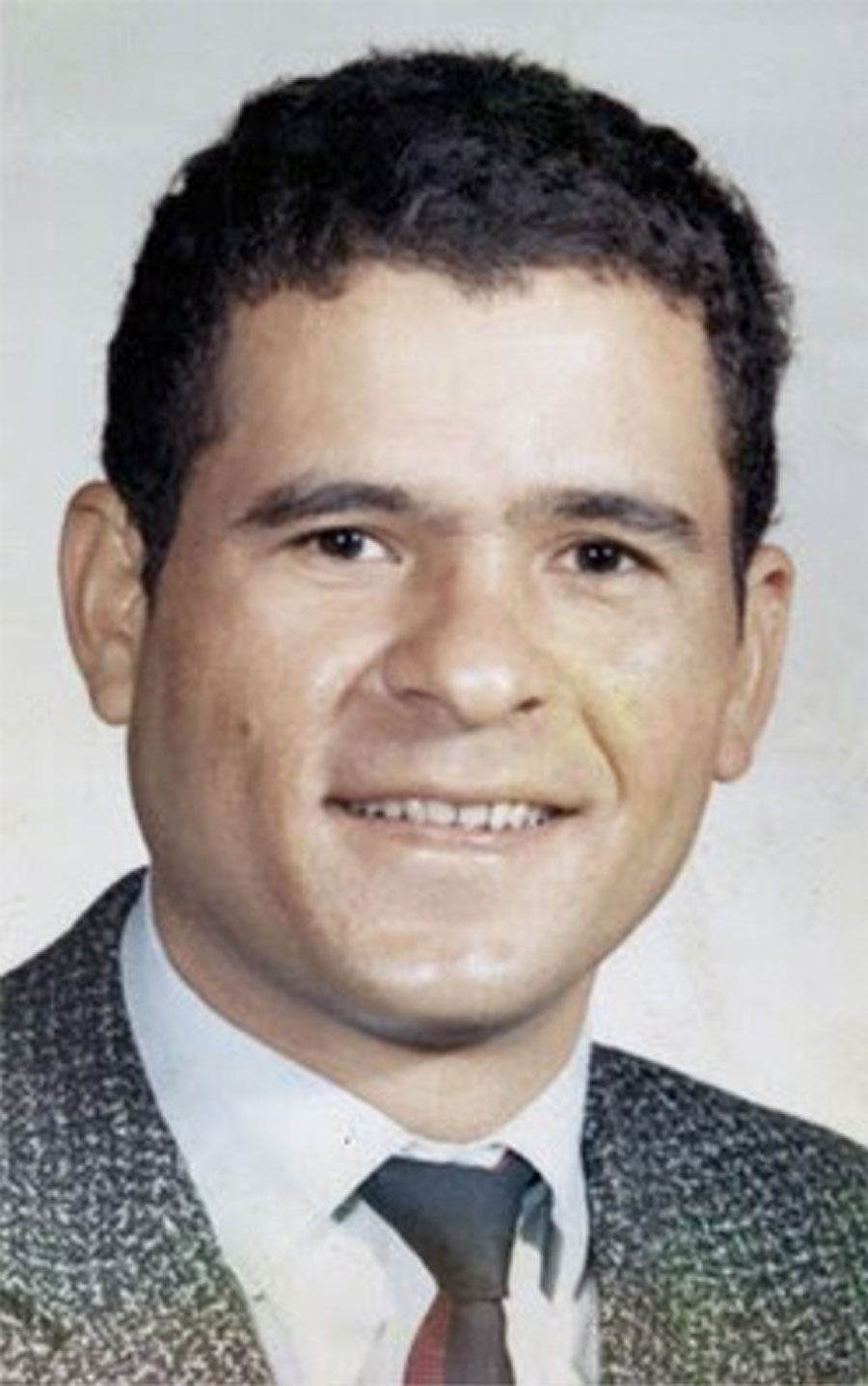
THE POET WHO WOULDN’T LOOK AWAY
In the early 1960s, when most South African poets were still writing about sunsets, seasons and sugar bushes, Arthur Nortje was writing about smoke. The kind that hung over the tin roofs of Korsten in Port Elizabeth, and the kind that drifted from burning tyres in the townships of the Cape.
For a short time, that smoke also blew into Athlone.
After graduating from the University College of the Western Cape, Nortje took up a teaching post at Alexander Sinton High School, that fierce little factory of ideas that has long punched above its weight.
Picture him there: a young man barely in his twenties, standing in front of a class of restless pupils, talking about poetry and protest, trying to make sense of both. To the pupils at Sinton, he must have seemed different – polished but not posh, quiet but intense, a so-called coloured man who carried himself like he’d seen the other side of something. Which, in a way, he had.
GROWING UP POOR
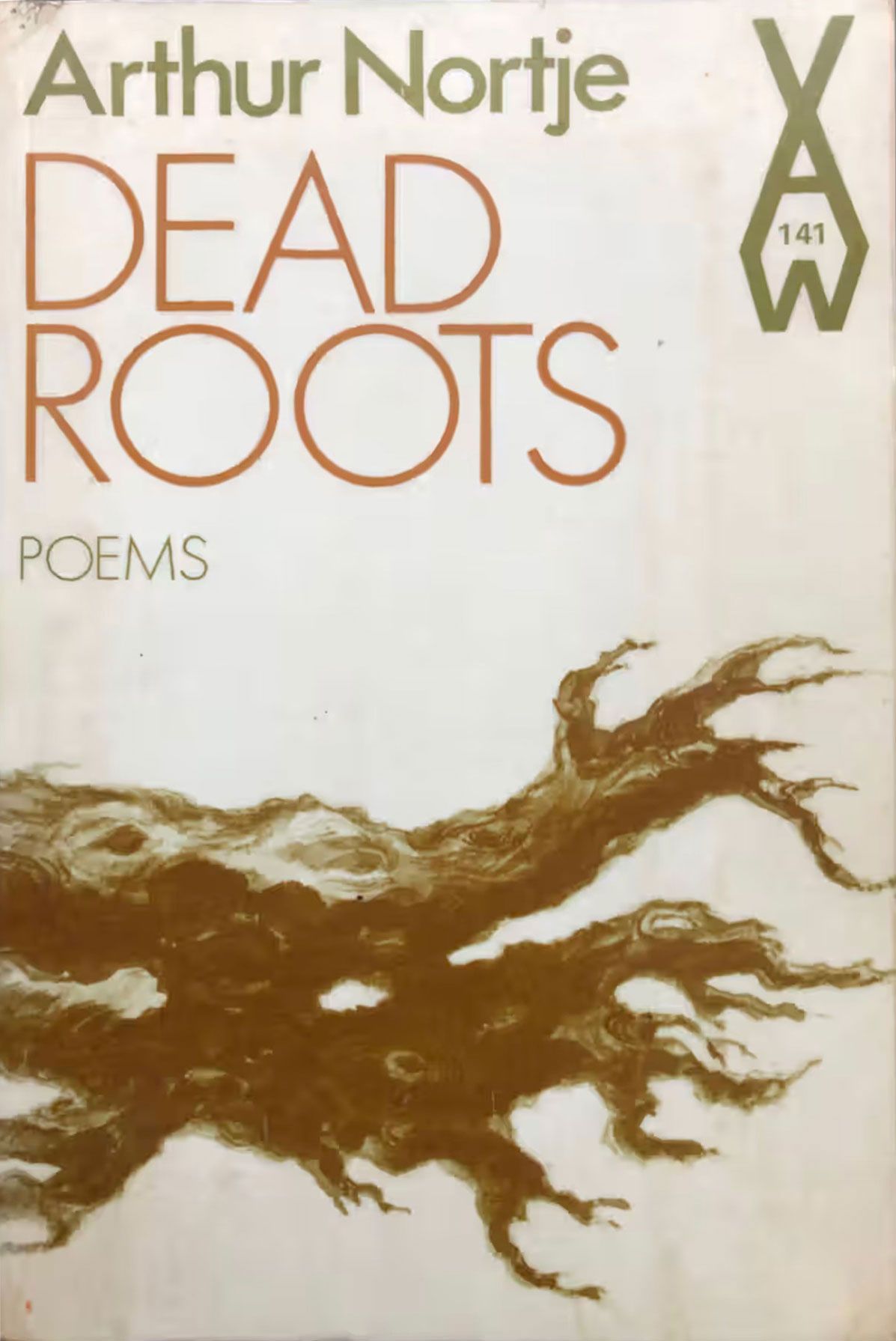
Nortje grew up in Korsten, one of the roughest, most gang-ridden corners of Port Elizabeth. Born on 16 December 1942 in Oudtshoorn, he lived with his mother, Cecilia Potgieter, a domestic worker, in a wood-and-iron shack.
His community was poor and under siege; people walked in groups to keep the gangsters at bay. Out of that violence and fear came a kind of sharp-eyed tenderness that ran through his poems.
He wrote of “slums billowing woodsmoke”, of “prison cells and security police rooms”, of the tired, the trapped, and the ones who dreamed of more.
Even his mentor, Dennis Brutus, said it plainly: in Korsten, “not to be racist was a crime.” That line says a lot about the time and place that shaped Nortje.
He grew up mixed-race in a country obsessed with categories, and he never really knew where to belong. His origins were kept from him, his father a mystery. Out of that uncertainty came poems thick with questions about identity, alienation, and exile, long before those words became fashionable.
STANDING OUT
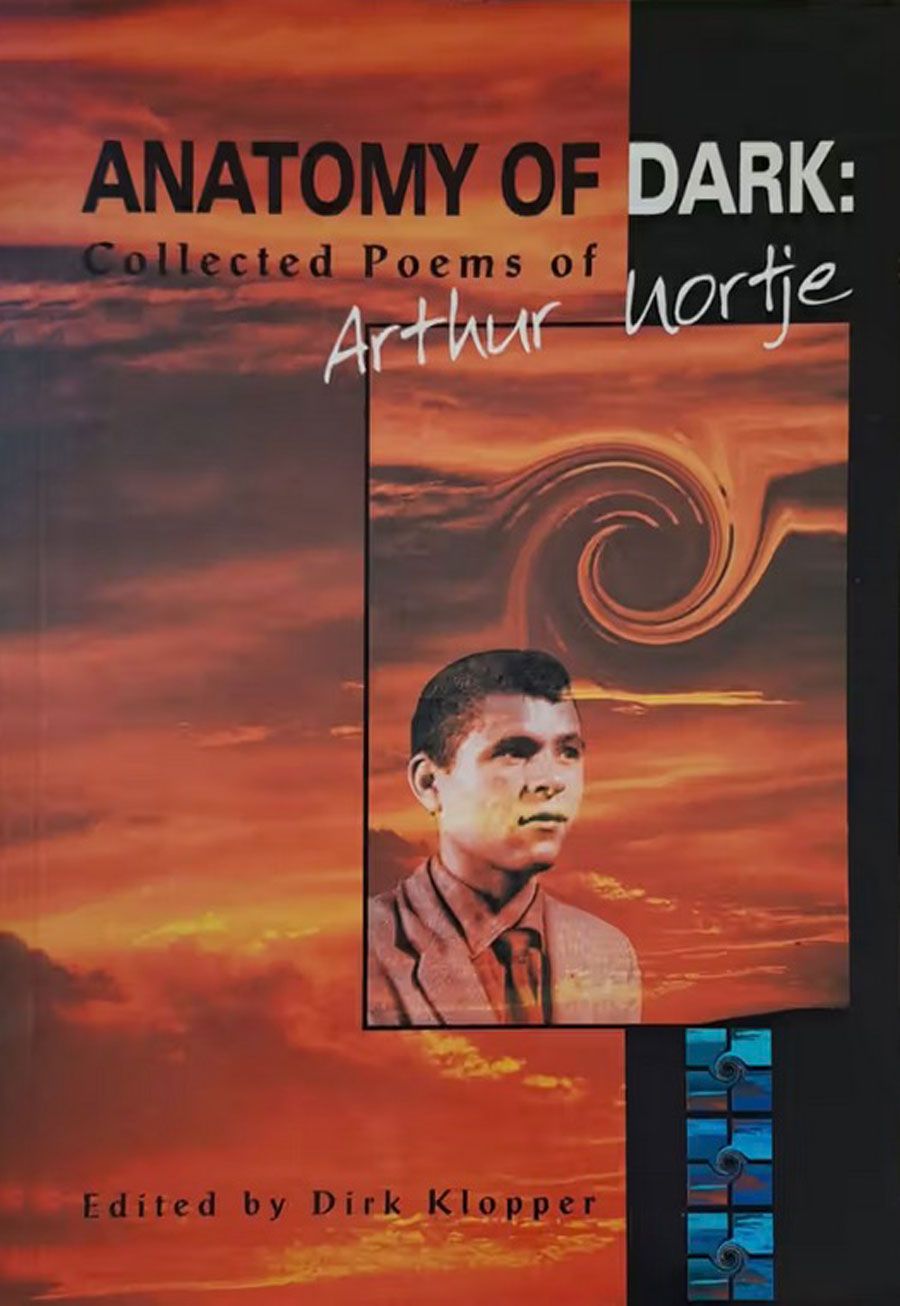
At the University College of the Western Cape, then still a young institution finding its voice, Nortje stood out. He filled notebook after notebook with observations about music, film, and literature, scribbling late into the night. Those journals became the bones of his later poems, full of beauty and unease in equal measure.
In 1962, he and Dennis Brutus shared the Mbari Prize for Poetry, a major recognition for a writer barely twenty. His work appeared in Black Orpheus in Nigeria, in Purple Renoster and South African Writing Today, and later in anthologies like Penguin’s Modern Poetry from Africa and Seven South African Poets. For someone from a tin shack in Korsten, this was heady stuff. But the world was not kind to gifted black or coloured minds in apartheid South Africa. Nortje knew his talent could only grow elsewhere.
GOING TO OXFORD
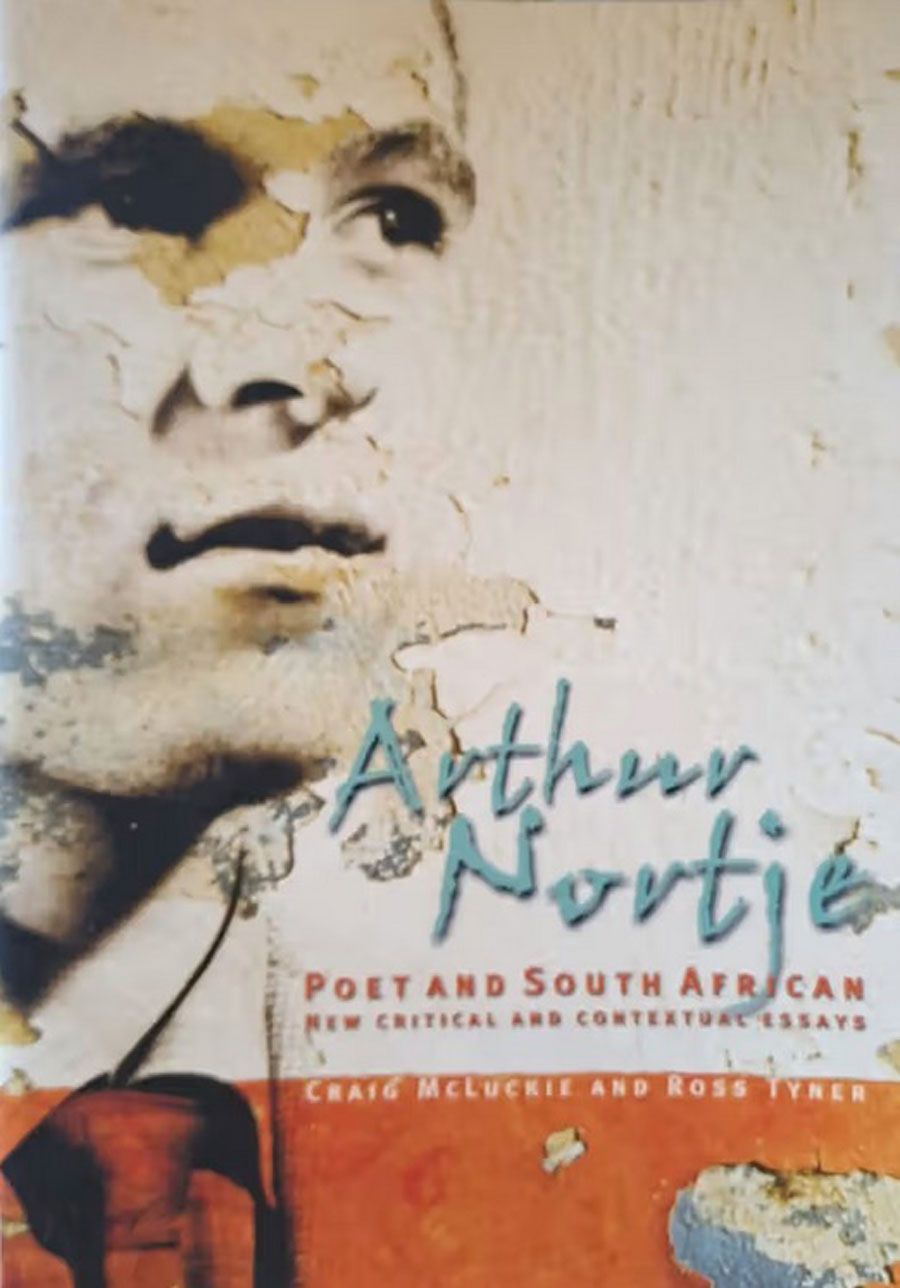
So in 1965, he took up a scholarship to Oxford. Jesus College, no less, a far cry from Athlone chalk dust and Korsten corrugated iron. At first, Oxford must have felt like a dream. A young man with the voice of a prophet suddenly walking through ancient halls.
But soon, the dream curdled. Nortje’s sense of displacement deepened. He was too brown for England, too English for home. He wrote about it with painful clarity: a man belonging everywhere and nowhere.
After Oxford, he moved to Canada, teaching at a school in Toronto. There, loneliness became a steady companion. His health faltered. He turned to amphetamines and barbiturates, to quiet the anxiety, to fill the holes.
He went back to London in 1970, hoping to start over with postgraduate studies. But the shadows had grown longer. Friends later said he looked worn down, his eyes heavy with the burden of being both brilliant and broken.
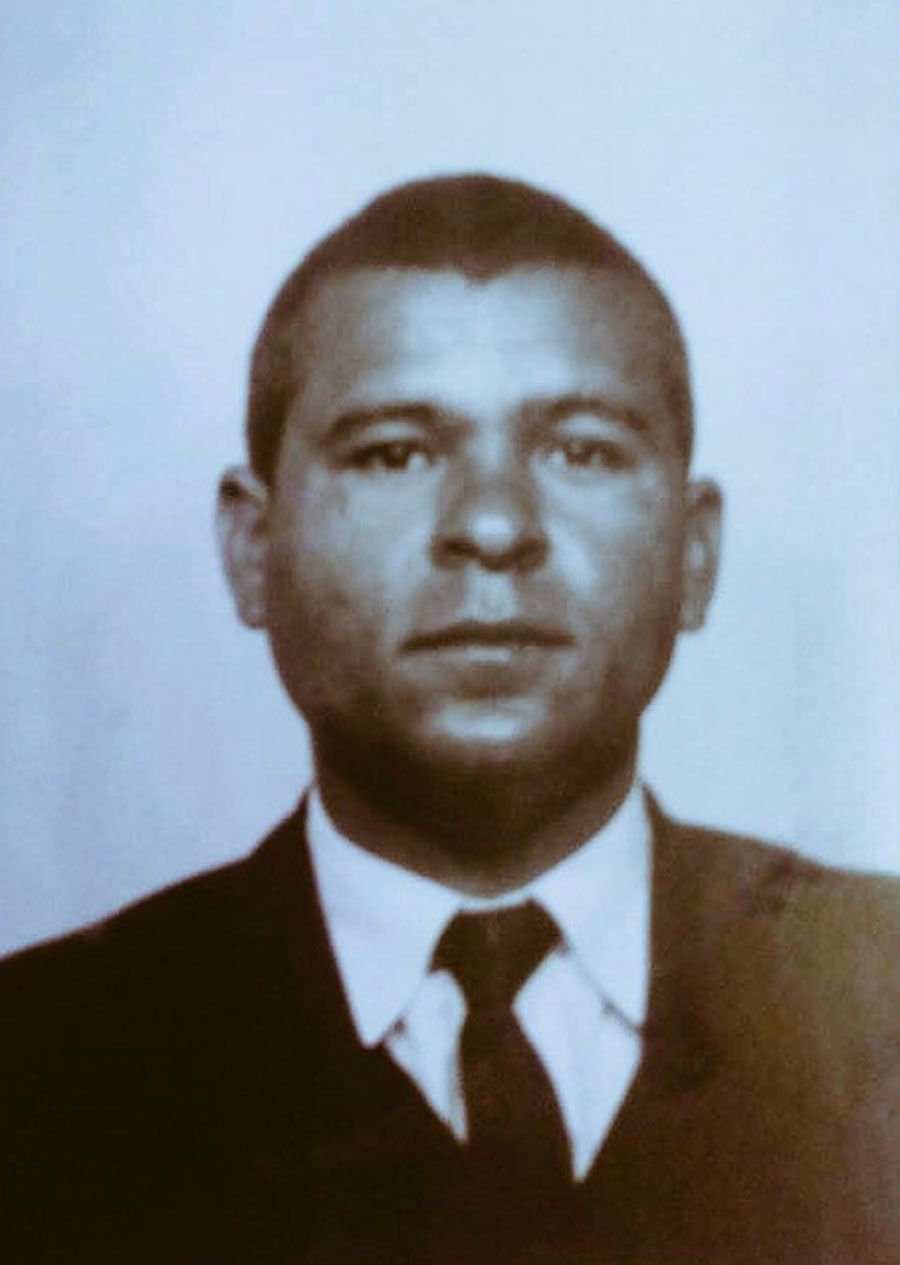
AN ACCIDENTAL OVERDOSE
He was just 27 when they found him in his Oxford flat, dead after what was believed to be an accidental overdose. A promising life cut short five days before his 28th birthday.
And yet, Arthur Nortje’s voice still cuts through. There’s something raw and modern about his writing even today. You can hear the ache of the exiled, the fury of the misnamed, the sadness of the dreamer who knows the dream won’t come true. He wrote once of “the absence that is home,” and it’s hard to think of a line that sums him up better.
For Cape Town readers, it’s worth remembering that before he became another tragic figure of exile, Nortje was here, walking the corridors of Alexander Sinton, chalk on his fingers, words in his head, perhaps already half in another world.
He didn’t live to see the day when poets could write freely about the country he loved and feared. But in his own brief, burning way, he did what great writers do: he told the truth when it was dangerous to tell it. And for that, we should still say his name.
UNISA’s Arthur Nortje collection is here: digilibrary
Arthur Nortje official blog is here: arthurnortje
Lindsay Johns’ article The Poet of Colouredness and Exile is here: africasacountry
Kangkang Yang’s Biography of Arthur Nortje is here: sahistory
Athol Williams on Arthur Nortje is here: facebook